

What is the maintenance cost of a thin film dryer?
Jan 02, 2026
Leave a message
Hey there! As a supplier of thin film dryers, I often get asked about the maintenance cost of these nifty machines. So, I thought I'd sit down and write a blog post to break it all down for you.
First things first, let's talk about what a thin film dryer is. A thin film dryer is a type of industrial dryer that uses a thin film of liquid to evaporate moisture from a product. It's a popular choice for a wide range of applications, including food processing, chemical manufacturing, and pharmaceutical production.
Now, let's get to the main question: what is the maintenance cost of a thin film dryer? Well, the answer to that question depends on a few different factors.
Factors Affecting Maintenance Cost
1. Type of Thin Film Dryer
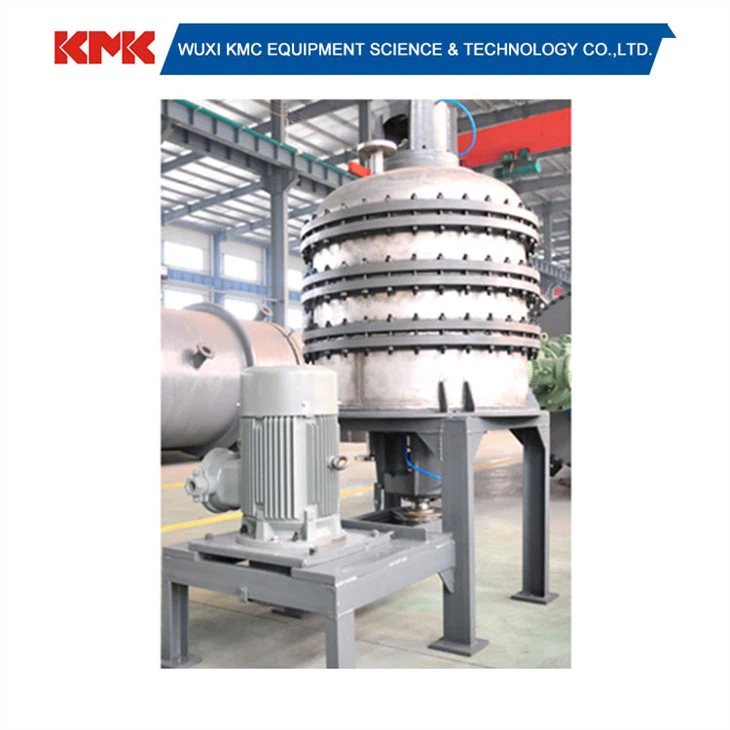
There are different types of thin film dryers, such as Agitated Thin Film Dryers and Wiped Film Drying systems. Agitated thin film dryers have moving parts like agitators, which may require more maintenance compared to simpler designs. The complexity of the wiping mechanism in wiped film dryers can also impact maintenance costs. For example, if the wiping blades need to be replaced frequently due to wear and tear, it will add to the maintenance expenses.

2. Usage Frequency
How often you use the thin film dryer plays a big role in maintenance costs. If it's running 24/7 in a high - volume production facility, it's going to experience more wear and tear than a dryer that's only used occasionally. More frequent use means more chances for components to break down, and you'll likely need to do regular inspections and part replacements.
3. Operating Conditions
The environment in which the thin film dryer operates can have a significant impact on maintenance costs. If it's in a harsh industrial setting with high levels of dust, humidity, or corrosive substances, the dryer's components will degrade faster. For instance, in a chemical plant where there are corrosive chemicals in the air, the dryer's metal parts may rust or corrode, requiring more frequent cleaning, coating, or replacement.
4. Quality of Components
The quality of the parts used in the thin film dryer also matters. Cheaper components may be more prone to failure, leading to higher maintenance costs in the long run. On the other hand, high - quality components may have a higher upfront cost but can reduce the frequency of breakdowns and replacements.
Breakdown of Maintenance Costs
1. Regular Inspections
Regular inspections are crucial for keeping a thin film dryer in good working condition. These inspections typically involve checking the mechanical parts, electrical systems, and the overall integrity of the dryer. The cost of inspections can vary depending on whether you have in - house maintenance staff or if you hire an external service provider. On average, you might spend anywhere from a few hundred to a couple of thousand dollars per year on inspections, depending on the size and complexity of the dryer.
2. Part Replacements
Over time, certain parts of the thin film dryer will need to be replaced. This could include things like seals, gaskets, bearings, and heating elements. The cost of part replacements can vary widely. For example, a simple gasket might only cost a few dollars, while a high - end heating element could cost several hundred dollars. If you're using an Agitated Thin Film Drying system, the agitator blades may need to be replaced periodically, which can add up to a significant cost.
3. Cleaning and Lubrication
Proper cleaning and lubrication are essential for the smooth operation of a thin film dryer. Cleaning helps prevent the build - up of debris and contaminants, while lubrication reduces friction between moving parts. The cost of cleaning supplies and lubricants can be relatively low, but if you need to hire a professional cleaning service, it can increase the overall maintenance cost.
4. Repairs
Despite regular maintenance, breakdowns can still occur. The cost of repairs depends on the nature and extent of the damage. Minor repairs, such as fixing a loose connection or replacing a small part, may only cost a few hundred dollars. However, major repairs, such as replacing a damaged motor or re - engineering a part of the dryer, can cost thousands of dollars.
Estimating Maintenance Costs
It's hard to give an exact figure for the maintenance cost of a thin film dryer because of all the factors mentioned above. However, as a rough estimate, you can expect to spend around 5 - 15% of the initial purchase price of the dryer on maintenance each year. For example, if you buy a thin film dryer for $50,000, you might spend between $2,500 and $7,500 on maintenance annually.
Reducing Maintenance Costs
There are several ways to reduce the maintenance cost of a thin film dryer. First, make sure to follow the manufacturer's recommended maintenance schedule. Regular inspections and preventive maintenance can catch small problems before they turn into big, expensive ones. Second, invest in high - quality components and parts. While they may cost more upfront, they can save you money in the long run by reducing the frequency of breakdowns. Third, keep the operating environment clean and dry. This can help extend the lifespan of the dryer's components.
Conclusion
So, there you have it! The maintenance cost of a thin film dryer depends on a variety of factors, including the type of dryer, usage frequency, operating conditions, and the quality of components. By understanding these factors and taking steps to reduce maintenance costs, you can keep your thin film dryer running smoothly and efficiently.
If you're in the market for a thin film dryer or want to learn more about our products, feel free to reach out. We're here to help you find the right solution for your needs and can provide more detailed information on maintenance and cost - saving strategies.
References
- General knowledge of thin film dryer technology and maintenance practices.
- Industry reports on industrial dryer maintenance costs.