

What is the impact of temperature on the evaporation process in wastewater evaporators?
Jan 02, 2026
Leave a message
Yo, folks! As a supplier of Wastewater Evaporators, I've been in the thick of it, dealing with all sorts of questions about how these machines work. One question that pops up a lot is, "What is the impact of temperature on the evaporation process in wastewater evaporators?" Well, let's dive right in and break it down.
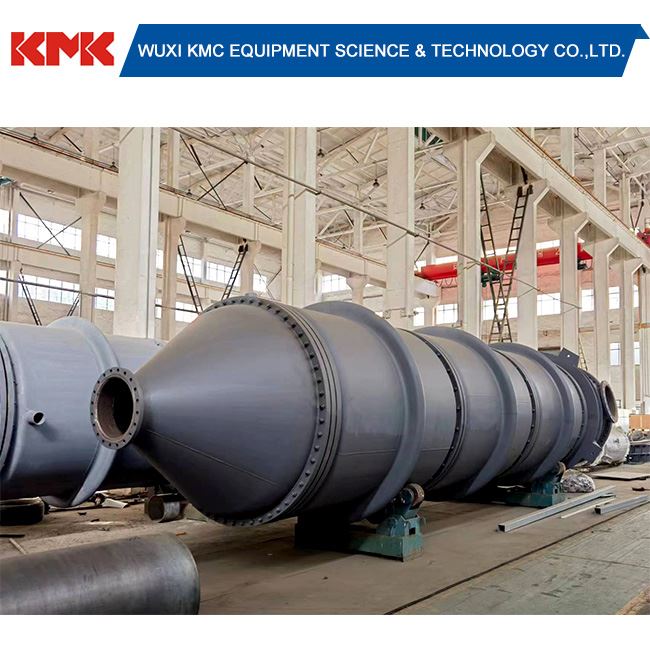
First off, let's get a basic understanding of what wastewater evaporators do. These bad boys are designed to remove water from wastewater by turning it into vapor. This process helps in reducing the volume of wastewater, making it easier to handle and dispose of. There are different types of wastewater evaporators out there, like the Industrial Wastewater Evaporator, Centrifugal Thin Film Evaporator, and Scraper Film Evaporator System. Each type has its own unique features and advantages, but they all rely on the evaporation process to do their job.
Now, let's talk about temperature. Temperature plays a crucial role in the evaporation process. Simply put, the higher the temperature, the faster the evaporation rate. This is because heat provides the energy needed to break the bonds between water molecules, allowing them to escape into the air as vapor. When you heat up wastewater in an evaporator, you're essentially giving those water molecules a boost of energy, making them more likely to turn into vapor.
But it's not as simple as just cranking up the heat. There are a few things to consider when it comes to the impact of temperature on the evaporation process in wastewater evaporators.
Evaporation Rate
As I mentioned earlier, temperature has a direct impact on the evaporation rate. When the temperature is increased, the kinetic energy of the water molecules also increases. This means that more water molecules have enough energy to overcome the surface tension of the liquid and escape into the vapor phase. So, in general, raising the temperature will speed up the evaporation process.

However, there's a limit to how much you can increase the temperature. If you heat the wastewater too much, you might start to run into some problems. For example, some of the contaminants in the wastewater might start to break down or react with each other at high temperatures. This could lead to the formation of new compounds that are even more difficult to deal with. Additionally, heating the wastewater to extremely high temperatures requires a lot of energy, which can be costly.
Energy Consumption
Speaking of energy, temperature also has a big impact on the energy consumption of wastewater evaporators. As you increase the temperature, you need to supply more energy to keep the wastewater hot. This means that running the evaporator at a higher temperature will generally use more energy.
On the other hand, running the evaporator at a lower temperature might save energy, but it will also slow down the evaporation process. So, there's a trade-off between energy consumption and evaporation rate. As a supplier, we always try to help our customers find the sweet spot where they can achieve the right balance between these two factors.
Vapor Quality
Another important factor to consider is the quality of the vapor produced during the evaporation process. When the temperature is increased, the vapor might contain more contaminants or volatile organic compounds (VOCs). This is because some of these substances have a lower boiling point than water and can easily evaporate along with the water molecules.
If the vapor contains a high concentration of contaminants, it might need to be treated further before it can be released into the environment. This adds an extra step to the process and can increase the overall cost of wastewater treatment. So, it's important to carefully control the temperature to ensure that the vapor produced is of good quality.
Material Compatibility
The temperature can also affect the materials used in the wastewater evaporator. Different materials have different temperature limits, and if the temperature exceeds these limits, the materials might start to degrade or corrode. This can lead to leaks, reduced efficiency, and even equipment failure.
As a supplier, we make sure to use high-quality materials that are compatible with the temperatures required for the evaporation process. We also provide our customers with detailed information about the temperature limits of our equipment to help them avoid any potential problems.
Operational Considerations
In addition to the technical aspects, there are also some operational considerations when it comes to the impact of temperature on the evaporation process. For example, if the temperature is too high, the evaporator might need to be equipped with additional safety features to prevent overheating and potential hazards.
On the other hand, if the temperature is too low, the evaporation process might be too slow, which can lead to longer processing times and lower productivity. So, it's important to find the right temperature range that works best for your specific application.
Finding the Optimal Temperature
So, how do you find the optimal temperature for your wastewater evaporator? Well, it depends on a few factors, such as the type of wastewater you're dealing with, the desired evaporation rate, and the available energy sources.
In general, it's a good idea to start by conducting some tests to determine the best temperature range for your specific application. You can try different temperatures and measure the evaporation rate, energy consumption, and vapor quality at each temperature. This will give you a better understanding of how temperature affects the evaporation process in your particular case.
Once you've found the optimal temperature range, you can set up your wastewater evaporator to operate within that range. You might also want to consider using a temperature control system to ensure that the temperature stays consistent throughout the evaporation process.
Conclusion
In conclusion, temperature has a significant impact on the evaporation process in wastewater evaporators. It affects the evaporation rate, energy consumption, vapor quality, material compatibility, and operational considerations. As a supplier, we understand the importance of finding the right temperature for your specific application, and we're here to help you every step of the way.
If you're in the market for a wastewater evaporator or have any questions about the impact of temperature on the evaporation process, don't hesitate to reach out. We'd love to have a chat and see how we can help you find the best solution for your wastewater treatment needs. Let's work together to make your wastewater treatment process more efficient and cost-effective.
References
- Perry, R. H., & Green, D. W. (Eds.). (1997). Perry's Chemical Engineers' Handbook. McGraw-Hill.
- Crittenden, J. C., Trussell, R. R., Hand, D. W., Howe, K. J., & Tchobanoglous, G. (2012). Water Treatment: Principles and Design. Wiley.