

What is the material of construction for a thin film dryer?
Jan 02, 2026
Leave a message
When it comes to thin film dryers, one of the most critical aspects is understanding the materials of construction. As a leading supplier of thin film dryers, we have in - depth knowledge of the various materials used in these machines, which are essential for ensuring their performance, durability, and suitability for different applications.
Common Materials for Thin Film Dryers
Stainless Steel
Stainless steel is perhaps the most widely used material in the construction of thin film dryers. It offers a combination of excellent corrosion resistance, strength, and hygiene. Different grades of stainless steel are available, with 304 and 316 being among the most common.
Grade 304 stainless steel contains 18% chromium and 8% nickel. It is known for its good formability and general corrosion resistance. In thin film dryers, it is often used for components that are not exposed to highly corrosive substances. For example, the outer shell or the non - contact parts of the dryer may be made of 304 stainless steel.
Grade 316 stainless steel, on the other hand, has a higher level of corrosion resistance due to the addition of molybdenum. It is suitable for applications where the dryer will come into contact with more aggressive chemicals or in environments with high humidity and salt content. In food and pharmaceutical applications, 316 stainless steel is preferred because it meets strict hygiene standards and can withstand cleaning agents used for sanitization.
Carbon Steel
Carbon steel is another material that can be used in thin film dryers, especially for applications where cost is a major consideration and the process does not involve highly corrosive materials. Carbon steel is strong and has good mechanical properties. However, it is prone to corrosion, so it usually needs to be protected with a coating or lining.
For example, in some industrial drying processes where the product being dried is relatively inert and the operating environment is not too harsh, a carbon - steel - based thin film dryer with a suitable paint coating can provide a cost - effective solution. But in long - term use, regular inspection and maintenance of the coating are necessary to prevent rusting and ensure the integrity of the dryer.
Titanium
Titanium is a high - performance material used in thin film dryers for very specific and demanding applications. It has extremely high corrosion resistance, even in highly acidic or alkaline environments. Titanium is also lightweight and has good strength - to - weight ratio.
In chemical processing industries where the drying process involves handling of strong acids, such as sulfuric acid or hydrochloric acid, titanium - constructed thin film dryers are the ideal choice. Although titanium is more expensive than stainless steel or carbon steel, its long - term durability and resistance to corrosion make it a cost - effective option in these high - risk applications.
Impact of Material Selection on Dryer Performance
The choice of material directly impacts the performance of a thin film dryer. The material's thermal conductivity is an important factor. For example, metals like stainless steel and carbon steel have relatively high thermal conductivity, which means they can transfer heat efficiently during the drying process. This allows for faster drying times and better energy efficiency.
On the other hand, the chemical resistance of the material determines the types of products that can be dried in the dryer. If a material is not resistant to the chemicals in the product, it can lead to corrosion, which not only shortens the lifespan of the dryer but also may contaminate the product. For instance, using a carbon - steel dryer to dry a product containing strong acids without proper protection will quickly cause the steel to corrode, releasing metal ions into the product.
The mechanical properties of the material also play a role. A dryer needs to withstand the mechanical stresses during operation, such as the rotation of the blades or the pressure changes. Materials with high strength, like stainless steel and titanium, can better handle these stresses, ensuring the stable operation of the dryer.
Application - Specific Material Selection
Food and Beverage Industry
In the food and beverage industry, hygiene and product safety are of utmost importance. Therefore, 316 stainless steel is the material of choice for thin film dryers. It is easy to clean and sanitize, and it does not react with food products, ensuring that the final product meets the strict quality and safety standards. For example, when drying fruit juices or milk powders, a thin film dryer made of 316 stainless steel can prevent contamination and maintain the nutritional value of the products.
Chemical Industry
The chemical industry has a wide range of drying requirements, and the material selection depends on the specific chemicals being processed. For mild chemical applications, 304 stainless steel may be sufficient. However, for highly corrosive chemicals, titanium or lined carbon steel may be used. For example, in the production of certain pesticides or fertilizers, where strong acids or alkalis are involved, a titanium thin film dryer can provide reliable performance.
Pharmaceutical Industry
Similar to the food industry, the pharmaceutical industry requires strict hygiene and product purity. 316 stainless steel is commonly used in thin film dryers for pharmaceutical applications. It can withstand the cleaning and sterilization processes required to meet Good Manufacturing Practice (GMP) standards. Additionally, the smooth surface of stainless steel reduces the risk of product adhesion, ensuring the efficient drying of pharmaceutical powders and granules.
Our Offerings as a Thin Film Dryer Supplier
As a professional thin film dryer supplier, we offer a wide range of dryers constructed from different materials to meet the diverse needs of our customers. Our Horizontal Thin Film Dryer is available in both 304 and 316 stainless - steel options, providing flexibility for different applications. Whether you need a dryer for general industrial use or for more sensitive food and pharmaceutical applications, we can provide the right solution.
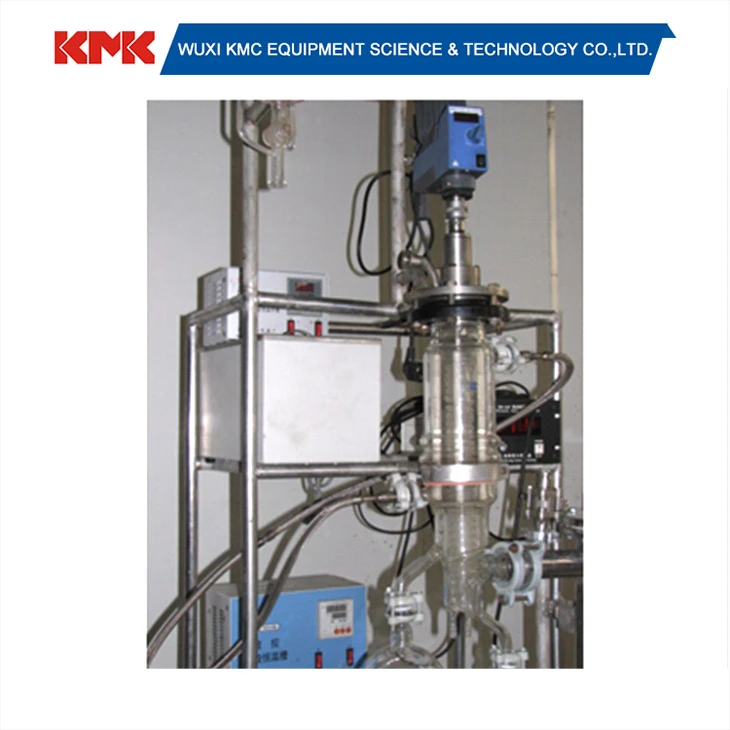

Our thin film dryers also utilize advanced Thin Film Drying technology, which maximizes the drying efficiency regardless of the material of construction. We also offer Vacuum Rake Dryer options for applications where vacuum drying is required, and these dryers are available in various materials to suit different chemical and physical properties of the products.
In addition to providing high - quality dryers, we also offer comprehensive after - sales services, including installation, commissioning, and maintenance. Our team of experts can help you select the most appropriate material for your thin film dryer based on your specific process requirements and budget.
Conclusion
Selecting the right material of construction for a thin film dryer is crucial for its performance, durability, and suitability for different applications. Whether it is stainless steel for its corrosion resistance and hygiene, carbon steel for cost - effectiveness, or titanium for high - end chemical applications, each material has its own advantages.
As a trusted thin film dryer supplier, we are committed to providing our customers with the best - in - class products and services. If you are in the market for a thin film dryer, we encourage you to contact us for more information and to discuss your specific requirements. Our experienced team will work closely with you to find the perfect solution for your business.
References
- Perry, R. H., & Green, D. W. (Eds.). (2008). Perry's Chemical Engineers' Handbook. McGraw - Hill.
- Geankoplis, C. J. (2003). Transport Processes and Unit Operations. Prentice Hall.