

How does the rotor speed affect wiped film drying?
Jun 03, 2025
Leave a message
As a supplier of wiped film drying equipment, I've seen firsthand how crucial the rotor speed is in the drying process. In this blog, I'll share my insights on how rotor speed affects wiped film drying and why it matters for your business.
Understanding Wiped Film Drying
Before we dive into the impact of rotor speed, let's quickly go over what wiped film drying is. Wiped film drying is a continuous process used to separate volatile components from heat - sensitive materials. It's great because it has a short residence time and can handle high - viscosity materials. This makes it ideal for industries like food, pharmaceuticals, and chemicals.
How Rotor Speed Affects Film Thickness
The rotor speed plays a huge role in determining the thickness of the film that forms on the heated surface. When the rotor spins at a low speed, the film tends to be thicker. A thicker film means that the heat transfer is less efficient. Think of it like trying to warm up a thick blanket compared to a thin one. The heat has to travel through more material, so it takes longer for the volatile components to evaporate.
On the other hand, when the rotor speed is high, a thinner film is formed. A thinner film allows for better heat transfer because there's less material for the heat to penetrate. This results in faster evaporation of the volatile components, which can significantly increase the drying efficiency. However, if the speed is too high, it can cause the film to break up, leading to uneven drying and potentially reducing the overall quality of the product.
Impact on Heat Transfer Rate
As I mentioned earlier, the rotor speed affects heat transfer. Heat transfer is a key factor in wiped film drying. With a proper rotor speed, the heat can be transferred effectively from the heating surface to the material being dried.
At low rotor speeds, the material may stay in contact with the heating surface for too long. This can cause over - heating of some parts of the material, especially if it's heat - sensitive. Over - heating can lead to degradation of the product, which is a big no - no in industries like pharmaceuticals.
When the rotor speed is optimized, the heat transfer is more uniform. The material moves across the heating surface at a rate that allows it to receive just the right amount of heat for evaporation. This ensures that the product quality is maintained, and the drying process is efficient.
Influence on Residence Time
Residence time refers to how long the material stays inside the wiped film dryer. The rotor speed has a direct impact on the residence time. At low speeds, the material moves slowly through the dryer, resulting in a longer residence time. A long residence time can be beneficial for some materials that require a slow and gentle drying process. But for most applications, a long residence time can increase the risk of product degradation, especially if the material is exposed to heat for an extended period.
High rotor speeds reduce the residence time. This is great for heat - sensitive materials because they're exposed to heat for a shorter period. However, if the speed is so high that the residence time is too short, the material may not have enough time to dry completely. So, finding the right balance is crucial.
Product Throughput
Product throughput is another important aspect affected by the rotor speed. Throughput refers to the amount of material that can be processed in a given time.
A higher rotor speed generally leads to higher throughput. Since the drying is more efficient at higher speeds, more material can be dried in the same amount of time. This is a huge advantage for businesses that need to process large volumes of material. But again, as I've said before, the speed needs to be carefully controlled. If it's too high, the quality of the product may suffer, and you could end up with a lot of waste.
Considerations for Different Materials
Not all materials are the same, and different materials may require different rotor speeds. For example, high - viscosity materials may need a higher rotor speed to form a thin enough film for efficient drying. These materials are thicker and more resistant to flow, so a higher speed helps to spread them evenly on the heating surface.
On the other hand, heat - sensitive materials may need a lower speed to avoid over - heating. Materials like some pharmaceutical compounds or certain food ingredients can be easily damaged by high temperatures. So, a slower rotor speed can ensure that the drying process is gentle and the product quality is maintained.
The Role of Our Equipment
As a wiped film drying supplier, we understand the importance of rotor speed. Our equipment is designed to offer a wide range of adjustable rotor speeds. This allows you to fine - tune the drying process according to the specific requirements of your material. Whether you're dealing with high - viscosity substances or heat - sensitive products, our dryers can be adjusted to achieve the best results.
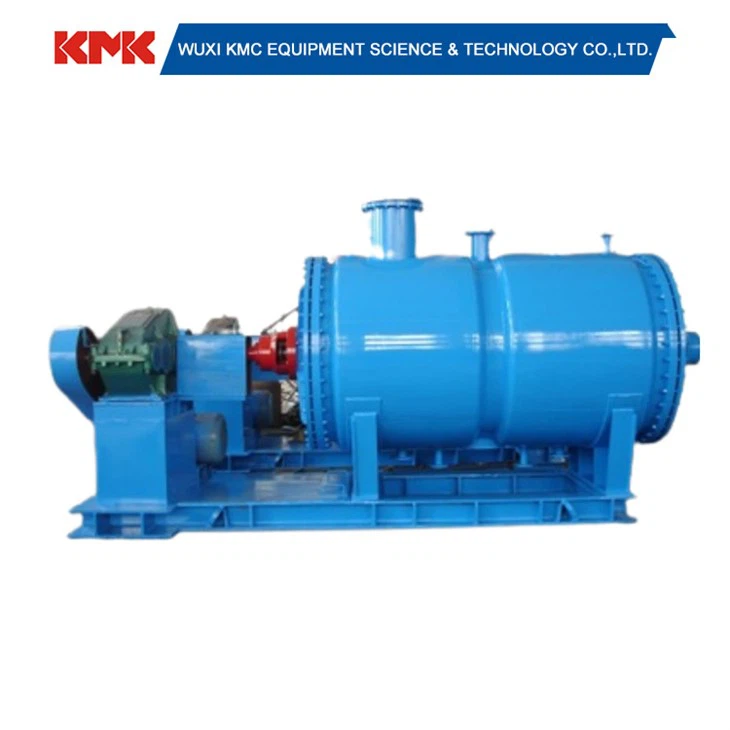
If you're using a Thin Layer Drying process, our equipment can help you optimize the rotor speed for better efficiency. Our Horizontal Thin Film Dryer is designed to provide a stable and controllable environment for the drying process. And if you're considering a Rotary Vacuum Dryer, we can also assist you in setting the right rotor speed to ensure high - quality results.

Conclusion
In conclusion, the rotor speed is a critical factor in wiped film drying. It affects film thickness, heat transfer rate, residence time, product throughput, and ultimately, the quality of the final product. As a wiped film drying supplier, we're here to help you understand how to optimize the rotor speed for your specific application.
If you're interested in improving your wiped film drying process or have any questions about our equipment, we'd love to hear from you. Contact us to start a discussion about your needs and how we can help you achieve better results in your drying operations.
References
- Smith, J. (2020). "Advanced Wiped Film Drying Techniques". Journal of Industrial Drying.
- Johnson, A. (2021). "The Impact of Rotor Speed on Heat - Sensitive Material Drying". Chemical Engineering Review.