

What are the operating costs of a Rising Film Evaporator?
Jun 03, 2025
Leave a message
Hey there! As a supplier of Rising Film Evaporators, I often get asked about the operating costs associated with these nifty pieces of equipment. So, I thought I'd sit down and break it all down for you in this blog post.
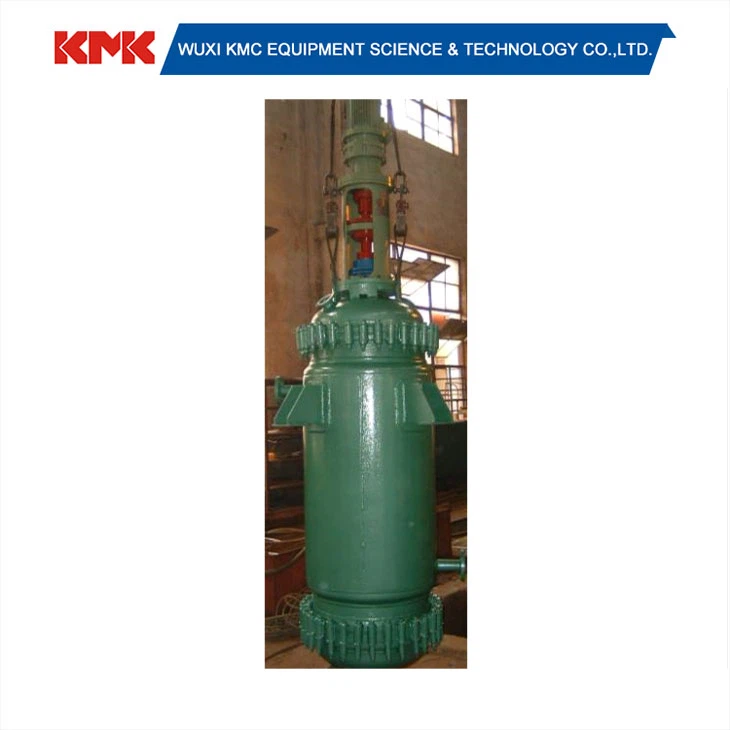
First off, let's talk about what a Rising Film Evaporator is. It's a type of evaporator where the liquid to be evaporated enters at the bottom of a vertical tube. As the heating medium heats the tube, the liquid starts to boil, and vapor forms. This vapor then rises up the tube, carrying the liquid with it in a thin film along the tube walls. It's a pretty efficient way to evaporate liquids, and it's used in a bunch of industries like food and beverage, chemical, and pharmaceutical.
Energy Costs
One of the biggest chunks of the operating costs for a Rising Film Evaporator is energy. These evaporators need a lot of heat to make the liquid evaporate. Most of the time, they're heated using steam, but electricity can also be used in some cases.
The amount of energy needed depends on a few things. First, it depends on the temperature difference between the heating medium and the liquid being evaporated. The bigger the difference, the more heat can be transferred, and the faster the evaporation process. But getting a large temperature difference often means using more energy.
Another factor is the flow rate of the liquid. If you're trying to evaporate a large amount of liquid quickly, you'll need more energy to heat it up. Also, the heat transfer coefficient of the tube material matters. Some materials are better at transferring heat than others, so using a high - heat - transfer - coefficient material can reduce energy consumption.
To save on energy costs, some companies use Multiple Effect Evaporators. These evaporators use the vapor from one effect (stage) to heat the next effect. This way, they can reuse the energy, which cuts down on overall energy consumption.
Maintenance Costs
Maintenance is another important part of the operating costs. Just like any piece of equipment, Rising Film Evaporators need regular upkeep to keep them running smoothly.
The tubes in the evaporator are a critical component. Over time, they can get fouled with scale, deposits, or other contaminants. This reduces the heat transfer efficiency and can even block the flow of the liquid. To prevent this, regular cleaning is necessary. You can use chemical cleaning agents or mechanical cleaning methods, like brushing or high - pressure water jetting.
The seals and gaskets also need to be checked and replaced periodically. If they start to leak, it can lead to a loss of the heating medium or the liquid being evaporated, and it can also reduce the efficiency of the evaporator.
The pumps and valves in the system also require maintenance. Pumps need to be lubricated, and their impellers may need to be replaced if they get worn out. Valves need to be checked for proper operation and leaks.
Labor Costs
Labor costs are also a part of the operating expenses. You need trained personnel to operate and monitor the Rising Film Evaporator. They need to know how to start and stop the system, adjust the flow rates and temperatures, and troubleshoot any problems that come up.
During normal operation, operators need to keep an eye on the pressure, temperature, and flow rate readings. They need to make sure that everything is within the normal range. If there are any deviations, they need to take appropriate action, like adjusting the settings or shutting down the system if necessary.
In addition to normal operation, labor is also required for maintenance tasks. Cleaning the tubes, replacing seals, and servicing pumps and valves all take time and skilled labor.
Water and Chemical Costs
If you're using water as a cooling medium or for cleaning, there are costs associated with it. You need to pay for the water itself, and there may also be costs for treating the water to prevent scale and corrosion.
Some cleaning and maintenance procedures also require the use of chemicals. For example, chemical cleaning agents are used to remove scale and deposits from the tubes. These chemicals need to be purchased, and there may also be costs associated with their proper disposal.

Comparison with Other Evaporators
When considering the operating costs of a Rising Film Evaporator, it's worth comparing it with other types of evaporators. For example, Thin Film Evaporator For Evaporation System and Circulation Evaporator.
Thin Film Evaporators work in a similar way to Rising Film Evaporators, but they may have different energy and maintenance requirements. They often have a shorter residence time for the liquid, which can be an advantage in some applications. However, they may also be more expensive to maintain due to their more complex design.
Circulation Evaporators, on the other hand, have a different flow pattern. The liquid circulates through the heating tubes multiple times. They may require more energy to circulate the liquid, but they can be more effective for handling viscous liquids.
Tips to Reduce Operating Costs
Here are some tips to reduce the operating costs of a Rising Film Evaporator. First, optimize the operating conditions. Make sure the temperature, pressure, and flow rates are set at the most efficient levels. You can do this through careful monitoring and adjustment.
Second, invest in high - quality components. Using high - heat - transfer - coefficient tubes, reliable seals, and efficient pumps can reduce energy consumption and maintenance requirements in the long run.
Third, implement a preventive maintenance program. Regularly inspect and clean the equipment to catch any problems early and prevent major breakdowns.
Conclusion
So, as you can see, the operating costs of a Rising Film Evaporator are made up of energy, maintenance, labor, water, and chemical costs. By understanding these costs and taking steps to reduce them, you can make your evaporation process more efficient and cost - effective.
If you're in the market for a Rising Film Evaporator or have any questions about reducing operating costs, I'd love to have a chat with you. Whether you're from the food and beverage industry, the chemical sector, or any other field that needs evaporation equipment, we can work together to find the best solution for your needs. Reach out to us to start a procurement discussion and see how we can help you save on costs while getting top - notch performance from your evaporator.
References
- Perry, R. H., & Green, D. W. (Eds.). (2008). Perry's Chemical Engineers' Handbook. McGraw - Hill.
- Walas, S. M. (1988). Chemical Process Equipment: Selection and Design. Butterworth - Heinemann.