

How to reduce the vibration of a thin film dryer?
Jun 04, 2025
Leave a message
Hey there! As a supplier of Thin Film Dryers, I've seen my fair share of issues with these machines, and one of the most common problems is vibration. Vibration can not only lead to premature wear and tear on the dryer but also affect the quality of the drying process. So, today I'm going to share some tips on how to reduce the vibration of a thin film dryer.
Understanding the Causes of Vibration
Before we dive into the solutions, it's important to understand what causes vibration in a thin film dryer. There are several factors that can contribute to vibration, including:
- Imbalance: If the rotating parts of the dryer, such as the rotor or the shaft, are not balanced properly, it can cause vibration. This can happen due to manufacturing defects, wear and tear, or improper installation.
- Loose Components: Loose bolts, nuts, or other components can also cause vibration. Over time, these components can become loose due to the constant shaking and movement of the dryer.
- Resonance: Resonance occurs when the natural frequency of the dryer matches the frequency of the vibration source. This can cause the vibration to amplify, leading to more severe problems.
- Poor Foundation: If the dryer is not installed on a solid and level foundation, it can cause vibration. The foundation should be able to support the weight of the dryer and absorb the vibrations generated during operation.
Tips to Reduce Vibration
Now that we understand the causes of vibration, let's look at some tips on how to reduce it.
1. Balancing the Rotating Parts
One of the most effective ways to reduce vibration is to balance the rotating parts of the dryer. This can be done by using a balancing machine to measure the imbalance and then adding or removing weights to correct it. It's important to have the rotating parts balanced regularly, especially if the dryer is used frequently or if there are signs of imbalance.
2. Tightening Loose Components
Another simple but effective way to reduce vibration is to tighten any loose components. This includes bolts, nuts, and other fasteners. Make sure to check these components regularly and tighten them as needed. You can also use a thread locker to prevent the components from loosening over time.
3. Avoiding Resonance
To avoid resonance, it's important to identify the natural frequency of the dryer and the frequency of the vibration source. You can then take steps to change one or both of these frequencies to prevent them from matching. This can be done by adjusting the speed of the dryer, changing the design of the dryer, or adding damping materials.
4. Improving the Foundation
As mentioned earlier, a poor foundation can cause vibration. To improve the foundation, make sure it is solid and level. You can also use vibration isolation pads or mounts to absorb the vibrations generated during operation. These pads or mounts can be made of rubber, cork, or other materials that have good damping properties.

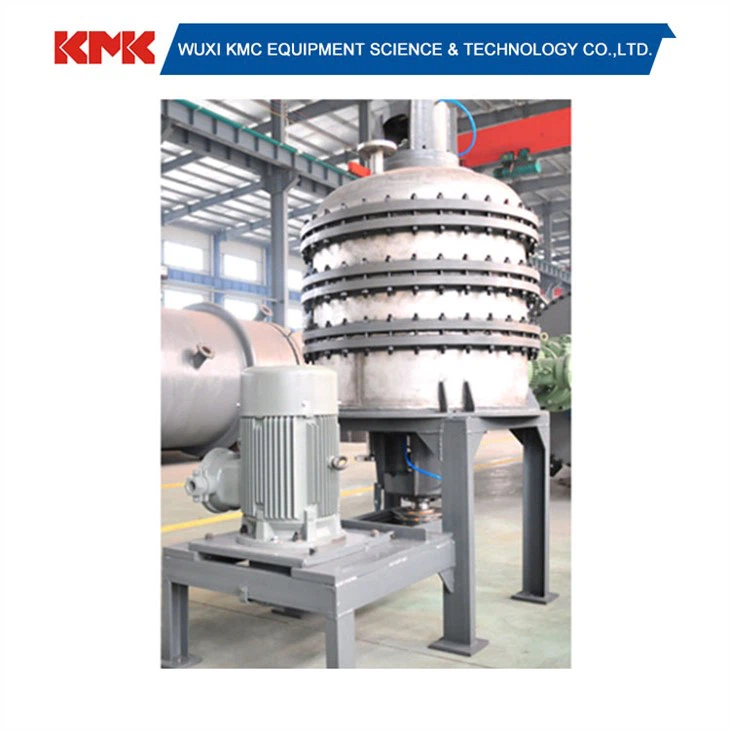
5. Regular Maintenance
Regular maintenance is essential for keeping the dryer in good condition and reducing vibration. This includes cleaning the dryer, lubricating the moving parts, and checking for any signs of wear and tear. You should also follow the manufacturer's recommendations for maintenance and servicing.
Using Advanced Technologies
In addition to the above tips, there are also some advanced technologies that can be used to reduce vibration in a thin film dryer.
1. Active Vibration Control
Active vibration control systems use sensors to detect the vibration and then apply an opposing force to cancel it out. These systems can be very effective in reducing vibration, especially in high-speed or high-precision applications.
2. Magnetic Bearing Technology
Magnetic bearing technology uses magnetic fields to support the rotating parts of the dryer, eliminating the need for traditional bearings. This can reduce friction and vibration, as well as improve the efficiency and reliability of the dryer.
3. Computational Fluid Dynamics (CFD)
CFD is a powerful tool that can be used to simulate the flow of fluids and gases inside the dryer. This can help to identify areas of high vibration and then take steps to reduce it. For example, CFD can be used to optimize the design of the dryer to improve the flow distribution and reduce the turbulence.
Conclusion
Reducing the vibration of a thin film dryer is essential for ensuring its long-term performance and reliability. By understanding the causes of vibration and implementing the tips and technologies discussed in this blog, you can significantly reduce the vibration and improve the quality of the drying process.
If you're interested in learning more about our Wiped Film Dryer, Agitated Thin Film Drying, or Wiped Film Drying solutions, or if you have any questions about reducing vibration in your thin film dryer, please don't hesitate to contact us. We're here to help you find the best solution for your needs.
References
- "Thin Film Dryer Handbook" - Manufacturer's Manual
- "Vibration Analysis and Control in Industrial Machinery" - Engineering Textbook
- "Advanced Technologies for Vibration Reduction in Dryers" - Research Paper