

What is the noise level of a Wiped Film Dryer during operation?
Jun 25, 2025
Leave a message
The noise level of industrial equipment is a crucial factor that often goes unnoticed until it becomes a significant concern. As a supplier of Wiped Film Dryers, I've received numerous inquiries about the noise generated during their operation. In this blog post, I'll delve into the factors that influence the noise level of a Wiped Film Dryer, typical noise ranges, and how we address noise-related issues to ensure a comfortable and safe working environment.
Understanding Wiped Film Dryers
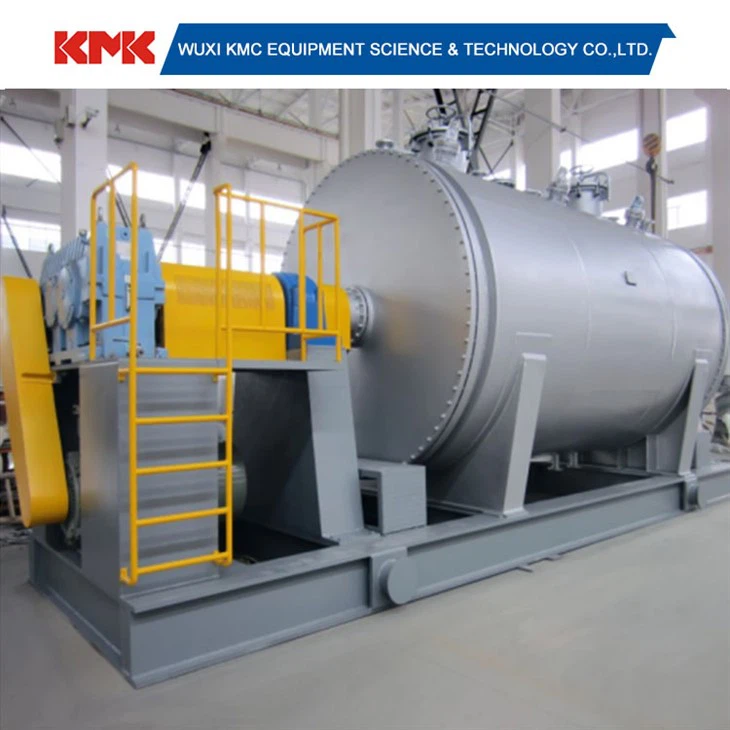
Before we discuss the noise level, it's essential to understand what a Wiped Film Dryer is and how it works. A Wiped Film Dryer is a type of evaporator that uses a rotating wiper blade to spread a thin film of liquid across the heated surface of a vertical tube. This design allows for efficient heat transfer and rapid evaporation, making it ideal for processing heat-sensitive and viscous materials. The dryer consists of a heating jacket, a rotor with wiper blades, a condenser, and a vacuum system.
The Wiped Film Drying process involves several steps. First, the feed material is introduced into the top of the dryer and flows down the inner wall of the tube. The rotating wiper blades spread the material into a thin film, increasing the surface area available for evaporation. As the film moves down the tube, it is heated by the jacket, causing the volatile components to evaporate. The vapor rises to the top of the dryer and is condensed in the condenser, while the concentrated liquid or solid product is collected at the bottom.
Factors Affecting the Noise Level
Several factors can influence the noise level of a Wiped Film Dryer during operation. Understanding these factors is crucial for predicting and controlling the noise generated by the equipment.
- Mechanical Components: The rotating parts of the dryer, such as the rotor and the wiper blades, can generate noise due to friction and vibration. The quality of the bearings, the alignment of the shaft, and the balance of the rotor all play a role in determining the noise level. A well-maintained and properly aligned dryer will generally produce less noise than one with worn or misaligned components.
- Fluid Flow: The flow of the feed material and the vapor inside the dryer can also contribute to the noise level. Turbulent flow, especially in the vapor phase, can create pressure fluctuations and noise. The design of the inlet and outlet ports, as well as the internal baffles and channels, can affect the flow pattern and reduce noise.
- Vacuum System: The vacuum system is an integral part of the Wiped Film Dryer, as it helps to lower the boiling point of the volatile components and improve the evaporation efficiency. However, the vacuum pump can be a significant source of noise. The type of vacuum pump, its operating speed, and the quality of its construction all influence the noise level. Oil-sealed rotary vane pumps, for example, tend to be noisier than dry screw pumps.
- Installation and Mounting: The way the dryer is installed and mounted can also affect the noise level. A dryer that is not properly secured or isolated from the surrounding structure can transmit vibration and noise. Using vibration isolators, such as rubber pads or springs, can help to reduce the transmission of vibration and noise to the floor and other equipment.
Typical Noise Ranges
The noise level of a Wiped Film Dryer can vary depending on the size, design, and operating conditions of the equipment. In general, the noise level of a well-designed and properly maintained dryer can range from 60 to 80 decibels (dB) at a distance of one meter from the equipment. This is comparable to the noise level of normal conversation or a quiet office environment.

However, under certain conditions, the noise level can exceed 80 dB. For example, if the dryer is operating at high speed or under high vacuum, the noise level may increase. Additionally, if the mechanical components are worn or misaligned, or if the fluid flow is turbulent, the noise level can also be higher.
Addressing Noise-Related Issues
As a supplier of Wiped Film Dryers, we are committed to providing our customers with equipment that meets their performance requirements while minimizing the impact on the working environment. To address noise-related issues, we take several measures during the design, manufacturing, and installation of our dryers.
- Design Optimization: We use advanced design techniques to minimize the noise generated by the mechanical components of the dryer. This includes using high-quality bearings, precision-machined shafts, and balanced rotors. We also optimize the design of the inlet and outlet ports, as well as the internal baffles and channels, to reduce fluid flow noise.
- Sound Insulation: We offer optional sound insulation packages for our dryers to further reduce the noise level. These packages typically consist of a layer of acoustic material wrapped around the dryer or installed inside the equipment enclosure. The sound insulation can reduce the noise level by up to 10 dB, making the working environment more comfortable for the operators.
- Vacuum System Selection: We carefully select the vacuum system for each dryer based on the specific application requirements. We offer a range of vacuum pumps, including dry screw pumps, oil-sealed rotary vane pumps, and liquid ring pumps, each with its own noise characteristics. By choosing the right vacuum pump for the application, we can minimize the noise generated by the vacuum system.
- Installation and Commissioning: Our experienced installation and commissioning team ensures that the dryer is properly installed and aligned. We use vibration isolators to reduce the transmission of vibration and noise to the floor and other equipment. We also provide training to the operators on how to operate and maintain the dryer to ensure optimal performance and minimize noise.
Comparison with Other Drying Technologies
When considering the noise level of a Wiped Film Dryer, it's also useful to compare it with other drying technologies. For example, the High Efficiency Vacuum Rake Dryer and the ZHG-II Series Vacuum Rake Dryer are two other popular drying technologies that are commonly used in the chemical, pharmaceutical, and food industries.
Vacuum rake dryers typically generate more noise than Wiped Film Dryers. This is because the rake mechanism, which is used to agitate the material inside the dryer, creates a significant amount of mechanical noise. Additionally, the vacuum system in a vacuum rake dryer may need to operate at higher vacuum levels, which can also increase the noise level.
In contrast, Wiped Film Dryers are generally quieter due to their simpler design and the absence of a rake mechanism. The rotating wiper blades generate less noise than the rake mechanism, and the fluid flow inside the dryer is more laminar, resulting in less turbulence and noise.
Conclusion
The noise level of a Wiped Film Dryer during operation can vary depending on several factors, including the mechanical components, fluid flow, vacuum system, and installation. However, with proper design, manufacturing, and installation, the noise level of a well-designed and properly maintained dryer can be kept within acceptable limits.
As a supplier of Wiped Film Dryers, we are committed to providing our customers with equipment that meets their performance requirements while minimizing the impact on the working environment. We offer a range of options and solutions to address noise-related issues, including design optimization, sound insulation, vacuum system selection, and installation and commissioning services.
If you are considering purchasing a Wiped Film Dryer or have any questions about the noise level or other aspects of our equipment, please contact us. Our team of experts will be happy to assist you in selecting the right dryer for your application and providing you with the information you need to make an informed decision.
References
- Perry, R. H., & Green, D. W. (2008). Perry's Chemical Engineers' Handbook. McGraw-Hill.
- Walas, S. M. (1988). Chemical Process Equipment: Selection and Design. Butterworth-Heinemann.
- McCabe, W. L., Smith, J. C., & Harriott, P. (2005). Unit Operations of Chemical Engineering. McGraw-Hill.