

What is the difference between batch and continuous thin film dryers?
Jun 24, 2025
Leave a message
Hey there! As a supplier of thin film dryers, I often get asked about the differences between batch and continuous thin film dryers. So, I thought I'd take a few minutes to break it down for you.
Batch Thin Film Dryers
Let's start with batch thin film dryers. These bad boys are like the old - school workhorses of the drying world. They operate on a one - by - one basis. You load a specific amount of material into the dryer, and then the drying process kicks off.
One of the biggest advantages of batch dryers is their flexibility. You can easily adjust the drying parameters for each batch. If you're dealing with different types of materials, each with its own unique drying requirements, a batch dryer is a great option. For example, if you're drying a heat - sensitive material, you can set a lower temperature and a longer drying time.
Another plus is that batch dryers are relatively simple to operate. You don't need a whole team of experts to run them. Just load the material, set the parameters, and let it do its thing. They're also great for small - scale production. If you're a startup or a company that only needs to dry small quantities of material at a time, a batch dryer can be a cost - effective solution.

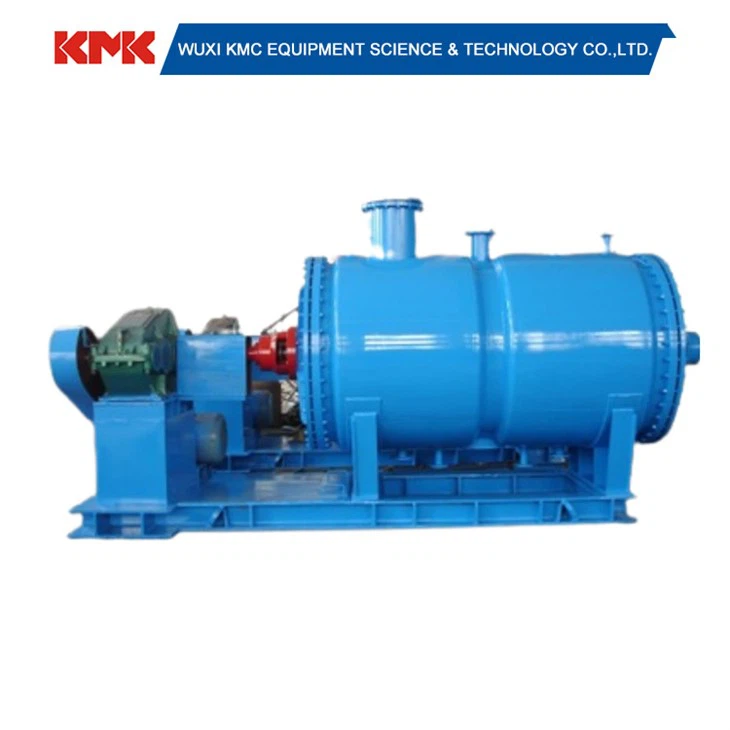
However, batch dryers also have their drawbacks. One of the main issues is the time - consuming nature of the process. You have to wait for one batch to finish drying before you can start the next one. This can lead to longer production times and lower overall efficiency. Also, because each batch is a separate operation, there can be some variability in the quality of the dried product.
We offer some great batch thin film dryers like the ZPG Series Vacuum Rake Dryer. It's a reliable option for those looking for a batch - type drying solution. The ZPG series uses a vacuum environment to reduce the boiling point of the solvent in the material, which helps in faster and more efficient drying. It also has a rake system that continuously stirs the material, ensuring uniform drying.
Continuous Thin Film Dryers
Now, let's talk about continuous thin film dryers. These are the modern, high - speed cousins of batch dryers. In a continuous dryer, the material is fed into the dryer at a constant rate, and the dried product comes out at the other end continuously.
The biggest advantage of continuous dryers is their high efficiency. They can handle large volumes of material in a relatively short amount of time. This makes them ideal for large - scale production. If you're a big company that needs to dry tons of material every day, a continuous dryer is the way to go.
Another great thing about continuous dryers is the consistency of the dried product. Since the process is continuous, there's less variability in the quality of the output. This is especially important in industries where product quality is critical, like the pharmaceutical or food industries.
Continuous dryers also require less labor in the long run. Once the dryer is set up and running, it can operate with minimal supervision. This can lead to significant cost savings over time.
But, continuous dryers aren't without their challenges. They're more complex to operate and maintain compared to batch dryers. You need to have a good understanding of the drying process and the equipment to ensure smooth operation. Also, they're not as flexible as batch dryers. Once the dryer is set up for a particular type of material, it can be difficult to switch to a different material without making significant adjustments.
We have an excellent Agitated Drying Machine that falls into the category of continuous thin film dryers. This machine uses an agitation system to spread the material into a thin film, which increases the surface area for drying and speeds up the process. It's a great option for continuous drying of various materials.
Key Differences in Technical Aspects
Let's dig a little deeper into the technical differences between batch and continuous thin film dryers.
Heat Transfer
In batch dryers, the heat transfer can be a bit uneven. Since the material is sitting in the dryer for a while, there can be differences in the temperature distribution within the batch. This can lead to some parts of the material being over - dried while others are under - dried.
On the other hand, continuous dryers usually have a more uniform heat transfer. The material is constantly moving through the dryer, and the heat is applied evenly across the thin film. This results in a more consistent drying process.
Residence Time
Residence time is the amount of time the material spends in the dryer. In batch dryers, the residence time is fixed for each batch. You can adjust it by changing the drying parameters, but it's still a set value for that particular batch.
In continuous dryers, the residence time can be more precisely controlled. You can adjust the feed rate of the material and the speed of the dryer to ensure that the material spends the right amount of time in the dryer for optimal drying.
Scale - Up
If you're planning to increase your production in the future, the choice between batch and continuous dryers can be crucial. Batch dryers are easier to scale up in small increments. You can simply add more batch dryers as your production needs grow.
Continuous dryers, on the other hand, are better suited for large - scale scale - up. Once you've set up a continuous dryer for a particular production level, it can be more efficient to increase the capacity of the existing dryer or add another continuous dryer to the line.
Cost Considerations
Cost is always an important factor when choosing a dryer. Batch dryers are generally cheaper to purchase initially. They have a simpler design and require less complex control systems. This makes them a more affordable option for small businesses.
However, in the long run, continuous dryers can be more cost - effective for large - scale production. Their high efficiency and lower labor requirements can lead to significant savings over time.
We also offer a Rotary Vacuum Dryer, which can be used in both batch and continuous modes depending on your needs. It's a versatile option that combines the benefits of both types of dryers to some extent.
Which One Should You Choose?
So, which type of thin film dryer is right for you? Well, it depends on your specific needs. If you're a small - scale producer, need flexibility, and have a limited budget, a batch dryer might be the best choice. On the other hand, if you're a large - scale producer, need high efficiency and consistent product quality, a continuous dryer is probably the way to go.
If you're still not sure which type of dryer is best for your application, don't hesitate to reach out to us. We have a team of experts who can help you evaluate your needs and recommend the most suitable thin film dryer for your business. Whether you're looking for a batch or continuous solution, we've got you covered. We're here to make sure you get the best drying equipment for your production requirements. So, if you're in the market for a thin film dryer, let's start a conversation and see how we can help you take your production to the next level.
References
- Perry, R. H., & Green, D. W. (1997). Perry's Chemical Engineers' Handbook. McGraw - Hill.
- Mujumdar, A. S. (2007). Handbook of Industrial Drying. CRC Press.