

What is the effect of the noise in thin film drying?
Dec 15, 2025
Leave a message
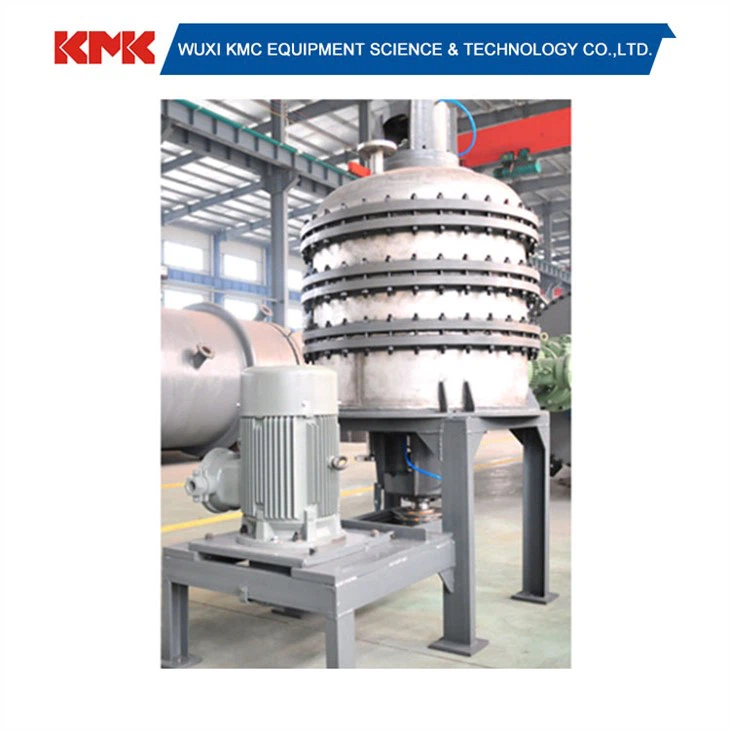
In the realm of industrial drying processes, thin film drying has emerged as a highly efficient and versatile technique used across a wide range of industries, from food and pharmaceuticals to chemicals and polymers. At our company, we are proud to be a leading provider of thin film drying solutions, offering a diverse portfolio of products such as the Vertical Thin Film Dryer, Wiped Film Dryer, and Agitated Thin Film Drying systems. In this blog post, we will delve into the scientific aspect of thin film drying, specifically focusing on the often-overlooked factor of noise and its effects on the overall drying process.
Understanding Thin Film Drying
Before we explore the impact of noise, it's important to have a basic understanding of how thin film drying works. Thin film drying is a process in which a liquid feed is spread into a thin film on a heated surface. This thin film allows for rapid heat and mass transfer, enabling efficient evaporation of the solvent or moisture from the feed material. The thin film can be created through various methods, such as mechanical wiping, agitation, or centrifugal force.
The advantages of thin film drying are numerous. It offers short residence times, which minimizes thermal degradation of heat - sensitive materials. It also provides high heat transfer coefficients, leading to energy - efficient operation. Additionally, the ability to process viscous and high - solids materials makes it a popular choice in many industries.
The Nature of Noise in Thin Film Drying
Noise in thin film drying systems can arise from several sources. Mechanical components such as motors, pumps, and agitators are common contributors. For example, in an Agitated Thin Film Drying system, the rotation of the agitator blades in the drying chamber can generate noise. The fluid flow within the system, including the movement of the liquid feed and the vapor generated during drying, can also produce noise.
The noise level can vary depending on the design and operation of the thin film dryer. Larger dryers with more powerful motors and higher - speed agitators may produce higher noise levels. Additionally, the type of material being processed can influence the noise, as viscous materials may require more energy to move and process, potentially increasing the noise output.
Effects on the Drying Process
Heat Transfer
One of the primary effects of noise on the thin film drying process is its impact on heat transfer. Noise can cause vibrations within the drying system. These vibrations can disrupt the thin film formation on the heated surface. In a well - formed thin film, heat transfer occurs efficiently through conduction from the heated surface to the liquid film and then to the vapor phase. However, if the vibrations caused by noise are significant, they can lead to uneven film thickness. Areas of the film that are thicker will have a lower heat transfer rate compared to thinner regions, resulting in non - uniform drying.
For example, in a Wiped Film Dryer, the wiping action is crucial for maintaining a uniform thin film. Noise - induced vibrations can interfere with the smooth operation of the wiper blades, causing some areas of the film to be thicker or thinner than intended. This non - uniformity can reduce the overall heat transfer coefficient, increasing the time required for drying and potentially affecting the quality of the final product.
Mass Transfer
Noise can also affect mass transfer during thin film drying. Mass transfer in thin film drying involves the movement of the solvent or moisture from the liquid phase in the film to the vapor phase. The formation of a stable thin film is essential for efficient mass transfer, as it provides a large surface area for evaporation.
Vibrations caused by noise can disrupt the diffusion of the solvent molecules within the film. In a non - vibrating system, the solvent molecules follow a relatively predictable diffusion path towards the surface of the film where they can evaporate. However, noise - induced vibrations can create local turbulence within the film, which can change the diffusion paths of the solvent molecules. This can result in a reduction in the mass transfer rate, as some of the solvent molecules may be trapped within the film for longer periods, leading to slower drying.
Product Quality
The effects of noise on heat and mass transfer ultimately translate into impacts on product quality. In industries such as pharmaceuticals and food, where product purity and quality are of utmost importance, non - uniform drying can lead to issues. For example, if a pharmaceutical product is not dried uniformly, it may have inconsistent moisture content throughout the batch. This can affect its solubility, stability, and efficacy.
In the case of polymers, non - uniform drying can cause variations in the molecular weight distribution and physical properties of the final product. The presence of higher moisture levels in some areas of the polymer can lead to bubbles or voids during subsequent processing steps, reducing the strength and durability of the polymer.
Impact on Equipment and Operator Health
Equipment Wear and Tear
Noise - induced vibrations can cause additional stress on the mechanical components of the thin film dryer. For instance, excessive vibrations from noisy motors or agitators can loosen bolts and connections over time. This can lead to misalignments in the equipment, which can further exacerbate the noise problem and cause premature wear of parts.
The bearings in rotating components such as agitators are particularly vulnerable to the effects of noise - induced vibrations. The increased stress on the bearings can lead to faster degradation of the bearing surfaces, resulting in increased friction and eventual failure. This not only requires costly repairs but also leads to significant downtime in production.
Operator Health
High noise levels in the workplace can have detrimental effects on the health of the operators. Prolonged exposure to noise above the recommended limits can cause hearing loss. In addition to hearing impairment, noise can also cause stress, fatigue, and reduced concentration among operators. This can lead to a decrease in work efficiency and an increased risk of accidents in the workplace.

Mitigating the Effects of Noise
To address the issues associated with noise in thin film drying, several strategies can be employed. Firstly, proper equipment design is crucial. Selecting high - quality motors and mechanical components that operate quietly can significantly reduce noise generation. Additionally, using vibration - dampening materials in the construction of the dryer can help absorb and dissipate the vibrations caused by noise.
Regular maintenance of the equipment is also essential. Lubricating moving parts, tightening loose connections, and aligning components properly can help reduce noise levels. Implementing a predictive maintenance program can detect early signs of equipment wear and address them before they lead to increased noise and potential breakdowns.
From an operator's perspective, providing personal protective equipment such as earplugs or earmuffs can help reduce the impact of noise on their health. Setting up noise - reducing enclosures around the drying equipment can also create a more comfortable working environment.
Conclusion
In conclusion, noise in thin film drying is a factor that should not be overlooked. It can have significant effects on the drying process, product quality, equipment longevity, and operator health. As a leading provider of thin film drying solutions, we understand the importance of addressing these issues. Our Vertical Thin Film Dryer, Wiped Film Dryer, and Agitated Thin Film Drying systems are designed with these considerations in mind, minimizing noise generation and ensuring efficient and reliable operation.
If you are in the market for a thin film drying solution, we invite you to reach out for a detailed discussion. Our team of experts can help you select the most suitable equipment for your specific needs and provide guidance on optimizing your drying process.
References
- Perry, R. H., & Green, D. W. (2008). Perry's Chemical Engineers' Handbook. McGraw - Hill.
- Mujumdar, A. S. (Ed.). (2014). Handbook of Industrial Drying. CRC Press.