

What is the application of thin film drying in pharmaceutical industry?
May 15, 2025
Leave a message
Thin film drying is a crucial technology in the pharmaceutical industry, offering numerous advantages over traditional drying methods. As a supplier of thin film drying solutions, I've witnessed firsthand how this technology has revolutionized the way pharmaceutical products are processed. In this blog post, I'll delve into the applications of thin film drying in the pharmaceutical industry and highlight its benefits.
The Basics of Thin Film Drying
Thin film drying involves the formation of a thin layer of liquid on a heated surface. As the liquid spreads across the surface, the heat causes the solvent to evaporate, leaving behind a dry product. This process is highly efficient because it maximizes the surface area of the liquid exposed to the heat, which speeds up the evaporation rate.
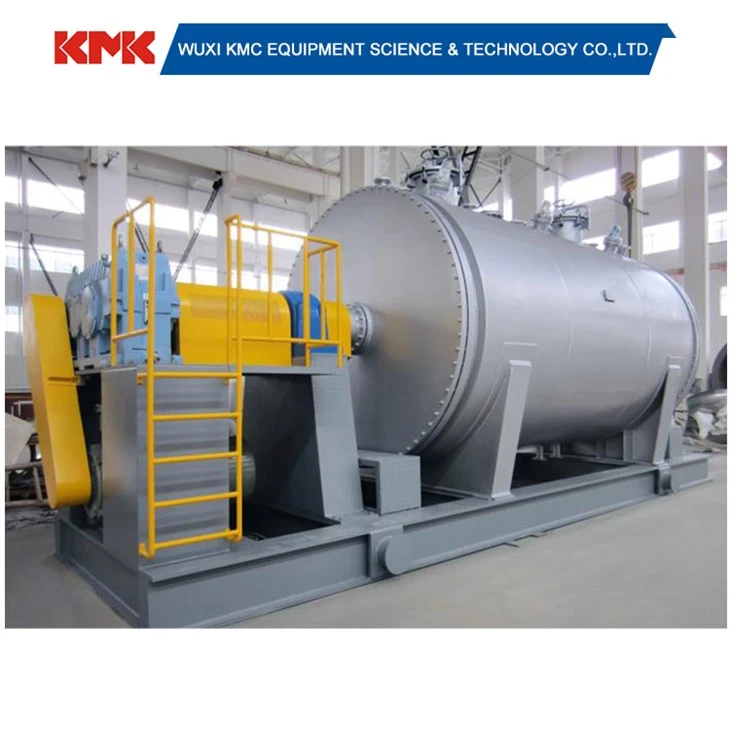
There are different types of thin film dryers, each with its own unique design and operating principles. One of the most common types is the Wiped Film Drying. In a wiped film dryer, a rotor with blades wipes the liquid film across the heated surface, ensuring uniform thickness and efficient heat transfer. This type of dryer is particularly suitable for handling heat - sensitive and viscous materials, which are common in the pharmaceutical industry.
Applications in the Pharmaceutical Industry
Drying of Active Pharmaceutical Ingredients (APIs)
Active pharmaceutical ingredients are the core components of drugs, and their quality directly affects the efficacy and safety of the final product. Thin film drying is an ideal method for drying APIs because it can operate at relatively low temperatures, which helps to preserve the chemical structure and biological activity of these sensitive compounds.
For example, some APIs are prone to degradation when exposed to high temperatures for extended periods. Thin film dryers can quickly remove the solvent from the API solution, reducing the exposure time to heat and minimizing the risk of degradation. Additionally, the short residence time in the dryer ensures that the API is not over - dried, which could also affect its quality.

Removal of Residual Solvents
During the manufacturing process of pharmaceutical products, solvents are often used for extraction, purification, and formulation. However, the presence of residual solvents in the final product can be harmful to patients. Thin film drying is an effective way to remove these residual solvents to meet the strict regulatory requirements.
The high surface - area - to - volume ratio in thin film dryers allows for rapid mass transfer, enabling efficient removal of solvents even at low pressures. This is especially important for solvents with high boiling points or those that are difficult to remove by other methods. By using thin film drying, pharmaceutical manufacturers can ensure that their products meet the acceptable limits for residual solvents.
Production of Pharmaceutical Excipients
Pharmaceutical excipients are substances other than the API that are included in a drug formulation. They play important roles such as binding, disintegrating, and stabilizing the API. Thin film drying can be used to produce high - quality excipients with consistent properties.
For instance, some excipients are produced in the form of solutions or slurries, which need to be dried to a powder form. Thin film drying can quickly convert these liquid - based materials into dry powders with controlled particle size and morphology. This is crucial for ensuring the proper flowability, compressibility, and dissolution properties of the excipients in the final drug formulation.

Granulation and Coating Processes
In the pharmaceutical industry, granulation is a process used to combine fine powders into larger granules, which improves the flowability and compressibility of the materials. Thin film drying can be integrated into the granulation process to remove the moisture from the granules quickly.
Similarly, in the coating process, where a thin layer of polymer is applied to the surface of tablets or particles, thin film drying can be used to dry the coating layer rapidly. This helps to prevent the coating from cracking or peeling and ensures a uniform and smooth coating on the product.
Advantages of Thin Film Drying in the Pharmaceutical Industry
High Efficiency
Thin film drying is a highly efficient process compared to traditional drying methods such as tray drying or drum drying. The large surface area of the liquid film and the short residence time in the dryer result in rapid evaporation of the solvent. This not only reduces the drying time but also increases the production capacity of the pharmaceutical manufacturing process.
Temperature Control
As mentioned earlier, many pharmaceutical products are heat - sensitive. Thin film dryers allow for precise temperature control, which is essential for preserving the quality of these products. By operating at low temperatures, the risk of thermal degradation of the API or excipients is minimized.
Product Quality
The uniform drying achieved by thin film dryers leads to a more consistent product quality. The thin film ensures that all parts of the material are exposed to the same drying conditions, resulting in a homogeneous product with uniform moisture content, particle size, and other properties.
Flexibility
Thin film dryers can handle a wide range of materials, including viscous liquids, suspensions, and solutions. They can also be easily adjusted to meet different production requirements, such as different drying temperatures, pressures, and flow rates. This flexibility makes them suitable for a variety of pharmaceutical applications.
Our Thin Film Drying Solutions
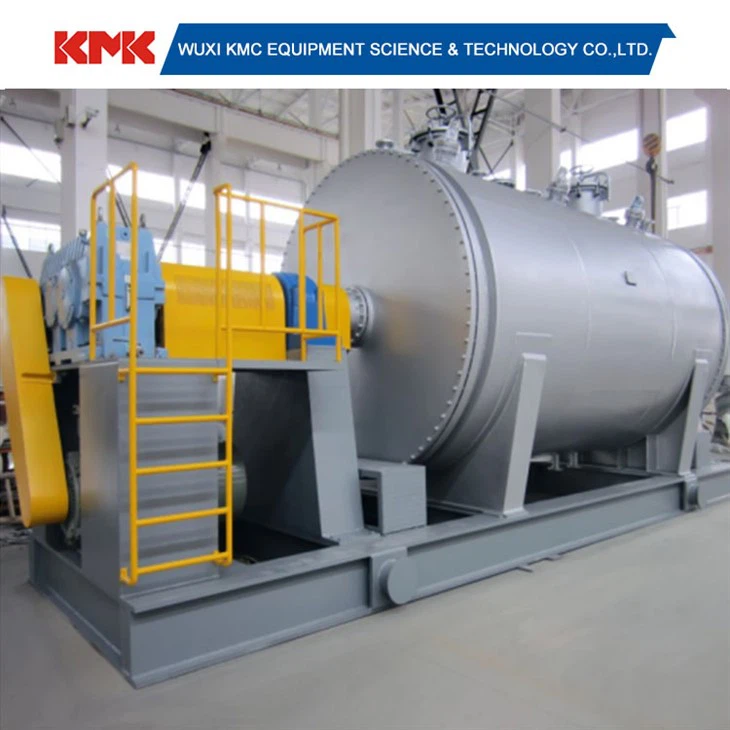
As a leading supplier of thin film drying equipment, we offer a range of high - quality products to meet the diverse needs of the pharmaceutical industry. Our ZHG - II Series Vacuum Rake Dryer is a versatile option that combines the advantages of thin film drying with the gentle agitation provided by the rake mechanism. This dryer is suitable for drying heat - sensitive and viscous materials, ensuring efficient and uniform drying.
Our High Efficiency Vacuum Rake Dryer is another innovative product that offers enhanced drying performance. With its advanced design and high - quality construction, it can handle large - scale production while maintaining excellent product quality.
Contact Us for Your Thin Film Drying Needs
If you're in the pharmaceutical industry and looking for reliable thin film drying solutions, we'd love to hear from you. Our team of experts can provide you with detailed information about our products, help you select the most suitable dryer for your specific application, and offer technical support throughout the installation and operation process. Whether you're a small - scale pharmaceutical manufacturer or a large - scale production facility, we have the right solution for you. Contact us today to start a discussion about your thin film drying requirements and explore how our products can benefit your business.
References
- Mujumdar, A. S. (Ed.). (2014). Handbook of industrial drying. CRC press.
- Perry, R. H., & Green, D. W. (Eds.). (2007). Perry's chemical engineers' handbook. McGraw - Hill.
- Pharmaceutical Engineering: A Complete Guide for Student and Professionals.