

What are the disadvantages of thin film drying?
May 28, 2025
Leave a message
Hey there! As a supplier of thin film drying equipment, I've been deeply involved in this industry for quite some time. While thin film drying has its fair share of advantages, it's essential to shed light on its disadvantages too. In this blog, I'll be discussing the drawbacks of thin film drying based on my hands - on experience.

High Initial Investment
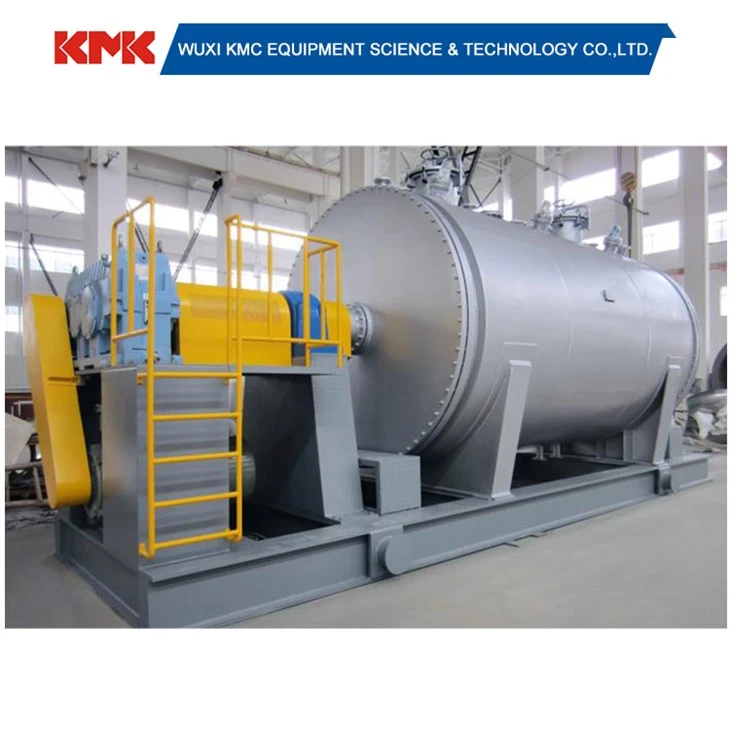
One of the most significant disadvantages of thin film drying is the high initial investment. The equipment required for thin film drying, such as Agitated Thin Film Dryers, comes with a hefty price tag. These dryers are complex machines with advanced technology, which includes precise temperature control systems, high - speed rotating parts, and efficient vapor removal mechanisms.
Manufacturing these components to meet the required standards and ensure long - term reliability is expensive. Moreover, the installation process is not straightforward. It often requires professional engineers to set up the equipment properly, and this also adds to the overall cost. For small - and medium - sized enterprises, this high upfront cost can be a major deterrent. They might find it difficult to allocate such a large amount of capital to purchase thin film drying equipment, especially when there are other, more affordable drying alternatives available in the market.
Limited Capacity for Some Materials
Thin film drying may not be suitable for all types of materials. Some materials with high viscosity or those that tend to form lumps can pose significant challenges. When dealing with highly viscous materials, it becomes difficult to form a uniform thin film on the drying surface. The thick consistency of these materials prevents them from spreading evenly, which can lead to uneven drying.
As a result, some parts of the material may be over - dried while others remain under - dried. For materials that form lumps, the thin film drying process may not be able to break down these lumps effectively. These lumps can block the flow path of the material on the drying surface, reducing the efficiency of the drying process. This limitation means that thin film drying may not be the best choice for industries that deal with such challenging materials, like some food and pharmaceutical manufacturing processes where materials with specific consistencies are common.
Energy Consumption
Energy consumption is another major drawback of thin film drying. The process requires a significant amount of energy to maintain the appropriate temperature and to drive the rotation of the equipment. To create and maintain the thin film, the dryer needs to operate at high speeds, which consumes a large amount of electrical power.
In addition, the heating system used to evaporate the moisture from the material also consumes a substantial amount of energy. This high energy consumption not only leads to increased operational costs but also has a negative impact on the environment. With the growing emphasis on sustainability, industries are constantly looking for ways to reduce their energy consumption. The high energy requirements of thin film drying can be a deal - breaker for companies aiming to achieve more eco - friendly operations.
Maintenance Requirements
Thin film drying equipment has relatively high maintenance requirements. The moving parts, such as the rotating blades in Agitated Thin Film Dryers, are subject to wear and tear over time. These parts need to be regularly inspected, lubricated, and replaced if necessary.
The seals in the equipment also need to be checked frequently to prevent leaks. Any malfunction in the seals can lead to the loss of vacuum, which is crucial for the efficiency of the drying process. Moreover, the heating elements and temperature control systems require regular calibration to ensure accurate temperature regulation. Failure to perform proper maintenance can result in reduced equipment performance, increased downtime, and even permanent damage to the dryer. This means that companies using thin film drying equipment need to allocate a significant amount of time and resources to maintenance, which can be a burden, especially for smaller operations.
Sensitivity to Operating Conditions
Thin film drying is highly sensitive to operating conditions. Small changes in temperature, pressure, and feed rate can have a significant impact on the drying process. For example, if the temperature is too high, it can cause thermal degradation of the material, especially for heat - sensitive substances.
On the other hand, if the temperature is too low, the drying process will be slow and inefficient. Pressure also plays a crucial role. In a vacuum - based thin film drying process, any deviation from the optimal pressure can affect the evaporation rate of the moisture. A small change in the feed rate can disrupt the formation of a uniform thin film. Maintaining the right operating conditions requires continuous monitoring and adjustment, which can be challenging and time - consuming. This sensitivity makes it difficult for operators to achieve consistent results, especially when dealing with different batches of materials.
Product Quality Issues
In some cases, thin film drying can lead to product quality issues. The high - speed rotation and the intense heat in the drying process can cause mechanical and thermal stress on the material. This can result in changes in the physical and chemical properties of the product.
For example, some heat - sensitive materials may experience loss of volatile components, which can affect their flavor, aroma, or biological activity. In addition, the mechanical stress from the rotating parts can break down the structure of the material, leading to a change in its texture. These product quality issues can be a significant concern for industries where product quality is of utmost importance, such as the food and pharmaceutical industries.
Scale - up Challenges
Scaling up the thin film drying process from a laboratory or pilot - scale to an industrial - scale can be a challenging task. The physical and chemical phenomena that occur at a small scale may not be directly transferable to a larger scale. For example, the heat and mass transfer rates, which are crucial for the drying process, can change significantly when the size of the equipment is increased.
The flow patterns of the material on the drying surface may also be different at a larger scale, leading to uneven drying. Designing and optimizing large - scale thin film drying equipment requires a deep understanding of these complex phenomena. This often involves extensive research and development, which can be time - consuming and costly.
Competing Technologies
There are other drying technologies available in the market that can be more suitable for certain applications. For example, ZHG - II Series Vacuum Rake Dryer and ZPG Series Vacuum Rake Dryer are alternative options. These vacuum rake dryers are better suited for materials that require gentle drying and can handle materials with higher viscosities more effectively.
They also have lower energy consumption in some cases. When compared to thin film drying, these competing technologies may offer more advantages for specific industries or materials, which can limit the market demand for thin film drying equipment.
Conclusion
Despite these disadvantages, thin film drying still has its place in the industry. It offers fast drying times, high efficiency for certain types of materials, and the ability to handle heat - sensitive substances in some cases. As a supplier, I understand that every technology has its pros and cons, and it's important for customers to make an informed decision based on their specific needs.
If you're considering thin film drying for your business, I encourage you to weigh these disadvantages against the benefits. And if you have any questions or would like to discuss your specific requirements, feel free to reach out to me. We can have a detailed conversation to see if thin film drying is the right solution for you. Let's start a discussion and find the best drying solution for your operations!
References
- Smith, J. (2018). Drying Technologies: A Comprehensive Guide. New York: Industrial Press.
- Johnson, R. (2019). Advances in Thin Film Drying. Journal of Chemical Engineering, 45(2), 123 - 135.