

Are there any laboratory evaporators suitable for micro - scale evaporation?
May 28, 2025
Leave a message
In the realm of laboratory research, micro - scale evaporation plays a crucial role in various scientific disciplines, including chemistry, biology, and pharmacology. Micro - scale evaporation is often required for tasks such as sample concentration, solvent removal, and purification of small - volume substances. As a leading supplier of laboratory evaporators, we understand the unique requirements and challenges associated with micro - scale evaporation. In this blog, we will explore whether there are any laboratory evaporators suitable for micro - scale evaporation and introduce some of our products that can meet these needs.
The Challenges of Micro - Scale Evaporation
Micro - scale evaporation presents several challenges compared to larger - scale evaporation processes. Firstly, the small volume of samples means that any loss during the evaporation process can have a significant impact on the final results. Secondly, the evaporation rate needs to be carefully controlled to avoid over - evaporation or the formation of unwanted by - products. Additionally, the equipment used for micro - scale evaporation should be able to handle small volumes efficiently and accurately, without causing contamination or sample degradation.
Types of Laboratory Evaporators Suitable for Micro - Scale Evaporation
Rotary Evaporators
Rotary evaporators are one of the most commonly used laboratory evaporators for micro - scale evaporation. They work by rotating a flask containing the sample under reduced pressure, which increases the surface area of the liquid and promotes evaporation. The reduced pressure also lowers the boiling point of the solvent, allowing for evaporation at lower temperatures. This is particularly important for heat - sensitive samples. Rotary evaporators are available in various sizes and configurations, and some models are specifically designed for micro - scale applications. They can handle sample volumes ranging from a few milliliters to several hundred milliliters, making them suitable for a wide range of micro - scale evaporation tasks.
Centrifugal Evaporators
Centrifugal evaporators are another option for micro - scale evaporation. These evaporators use centrifugal force to hold the sample in place while applying a vacuum to remove the solvent. The centrifugal force helps to prevent the sample from splashing and reduces the risk of cross - contamination. Centrifugal evaporators are often used for high - throughput applications, as they can handle multiple samples simultaneously. They are also suitable for evaporating volatile solvents and can be used with a variety of sample types, including aqueous solutions, organic solvents, and biological samples. You can learn more about our advanced Centrifugal Film Evaporator which combines the advantages of centrifugal force and film evaporation technology for efficient micro - scale evaporation.
Freeze Dryers
Freeze dryers, also known as lyophilizers, are used for micro - scale evaporation in a process called lyophilization. In this process, the sample is first frozen and then placed under a vacuum. The frozen water in the sample sublimates directly from the solid phase to the gas phase, leaving behind the dry sample. Freeze drying is a gentle method of evaporation that is suitable for heat - sensitive and biologically active samples. It can preserve the structure and activity of the sample, making it ideal for applications such as protein purification and the preservation of vaccines.
Thin - Film Evaporators
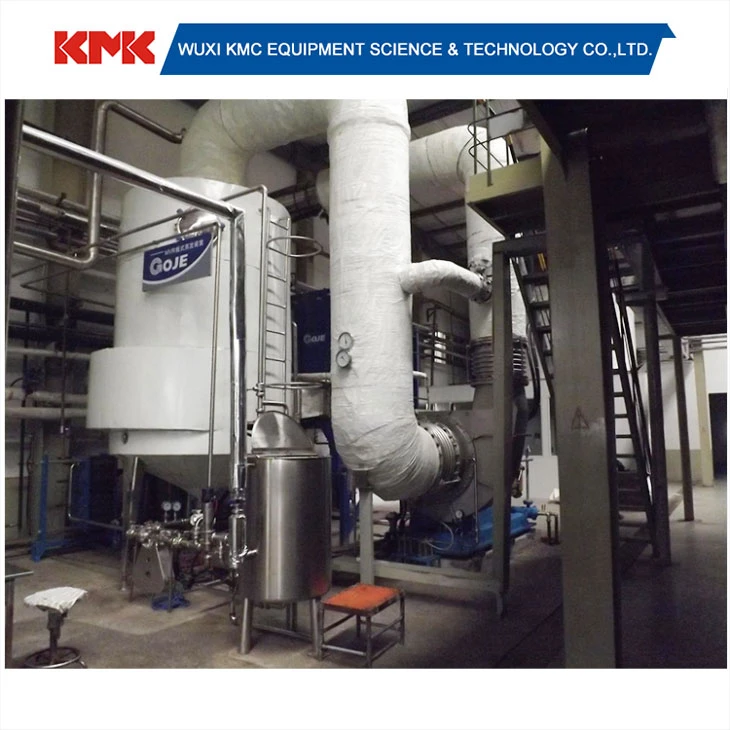
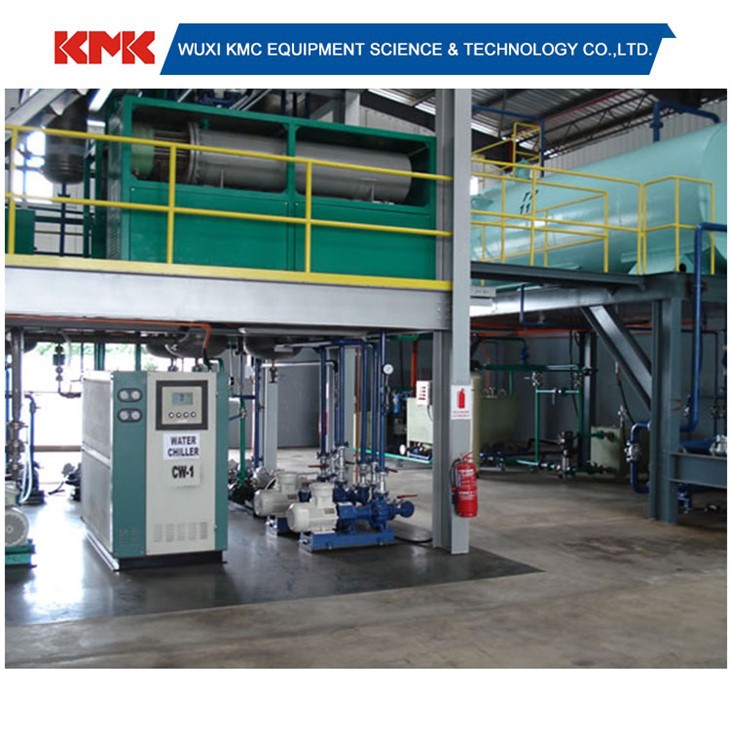
Thin - film evaporators are designed to create a thin film of the sample on a heated surface, which increases the evaporation rate. They are particularly suitable for micro - scale evaporation of viscous or heat - sensitive samples. The thin film allows for efficient heat transfer and rapid evaporation, while minimizing the exposure of the sample to high temperatures. Our Forced Circulation Evaporator is a type of thin - film evaporator that uses forced circulation to ensure uniform distribution of the sample and efficient evaporation.
Factors to Consider When Choosing a Laboratory Evaporator for Micro - Scale Evaporation
When selecting a laboratory evaporator for micro - scale evaporation, several factors need to be considered:
- Sample Volume: The evaporator should be able to handle the specific volume of your sample. For micro - scale applications, evaporators that can handle volumes as small as a few microliters may be required.
- Solvent Type: Different solvents have different boiling points and evaporation rates. The evaporator should be compatible with the type of solvent you are using and be able to achieve efficient evaporation at a reasonable temperature.
- Sample Sensitivity: If your sample is heat - sensitive or biologically active, you need to choose an evaporator that can operate at low temperatures or use a gentle evaporation method, such as freeze drying.
- Throughput: If you need to process multiple samples simultaneously, a high - throughput evaporator, such as a centrifugal evaporator, may be more suitable.
- Contamination Risk: The evaporator should be designed to minimize the risk of contamination, especially when working with biological or sensitive samples.
Our Solutions for Micro - Scale Evaporation
As a Laboratory Evaporators supplier, we offer a wide range of evaporators that are suitable for micro - scale evaporation. Our products are designed with the latest technology and high - quality materials to ensure efficient, accurate, and reliable performance.
We understand the importance of providing customized solutions to meet the specific needs of our customers. Our team of experts can help you select the most suitable evaporator for your micro - scale evaporation tasks based on your sample characteristics, experimental requirements, and budget. Whether you are working in a research laboratory, a pharmaceutical company, or an academic institution, we have the right evaporator for you.
In addition to our standard product range, we also offer Evaporative Distillation Engineering services. Our engineers can design and build custom - made evaporators for your specific applications, ensuring that you get the most efficient and effective solution for your micro - scale evaporation needs.
Contact Us for Micro - Scale Evaporation Solutions
If you are looking for a laboratory evaporator suitable for micro - scale evaporation, we invite you to contact us. Our experienced sales team will be happy to provide you with detailed information about our products, answer your questions, and assist you in making the right choice. We believe that our high - quality evaporators and excellent customer service will meet your expectations and help you achieve your research goals.
References
- Perry, R. H., & Green, D. W. (1997). Perry's Chemical Engineers' Handbook. McGraw - Hill.
- Wankat, P. C. (2012). Separation Process Engineering: Includes Mass Transfer Analysis. Prentice Hall.
- Shreve, R. N., & Brink, J. A. (1977). Chemical Process Industries. McGraw - Hill.