

How does the surface finish of the evaporation chamber affect the performance of a wiped film evaporator?
May 27, 2025
Leave a message
Hey there! As a wiped film evaporator supplier, I've been getting a lot of questions lately about how the surface finish of the evaporation chamber affects the performance of these machines. So, I thought I'd take a deep dive into this topic and share some insights with you all.
First off, let's talk about what a wiped film evaporator is. It's a piece of equipment used in various industries, like chemical, pharmaceutical, and food processing, to separate components from a liquid mixture based on their different boiling points. The basic idea is that a thin film of the liquid mixture is spread across the inner surface of the evaporation chamber, and then heat is applied to evaporate the more volatile components.
Now, the surface finish of the evaporation chamber plays a crucial role in how well the wiped film evaporator works. There are several aspects to consider, such as smoothness, roughness, and the presence of any defects.
A smooth surface finish is generally preferred in the evaporation chamber. When the surface is smooth, the liquid film can flow more easily and uniformly across it. This is important because a uniform liquid film ensures that the heat transfer is consistent throughout the evaporation process. If the surface is too rough, the liquid might get stuck in the grooves and bumps, leading to uneven heating. Uneven heating can cause some parts of the liquid to over - heat while others don't get heated enough. This can result in lower evaporation efficiency and may also lead to the degradation of heat - sensitive components in the liquid mixture.
For example, in the pharmaceutical industry, many of the substances being processed are heat - sensitive. If the surface finish of the evaporation chamber is not smooth, these heat - sensitive drugs might break down during the evaporation process, which is obviously a big no - no. A smooth surface helps to maintain the integrity of these delicate substances and ensures that the final product meets the required quality standards.
On the other hand, a certain degree of controlled roughness can also be beneficial in some cases. A slightly rough surface can increase the surface area available for heat transfer. This means that more heat can be transferred from the heating source to the liquid film in a given amount of time. However, this has to be carefully balanced. If the roughness is too high, as I mentioned earlier, it can cause problems with liquid flow and uniform heating.
Defects on the surface of the evaporation chamber, such as scratches or pits, can also have a negative impact on performance. Scratches can act as barriers to the flow of the liquid film, disrupting its uniformity. Pits can trap the liquid, creating areas where the heat transfer is different from the rest of the surface. This can lead to hot spots and cold spots within the evaporation chamber, reducing the overall efficiency of the evaporator.
Another factor to consider is the material of the evaporation chamber and how the surface finish interacts with it. Different materials have different properties when it comes to heat transfer and chemical resistance. For instance, stainless steel is a commonly used material for evaporation chambers because it's durable and has good corrosion resistance. However, the way the surface finish is applied to stainless steel can affect its performance. A well - polished stainless - steel surface can not only improve the flow of the liquid film but also make it easier to clean the chamber after use.
Now, let's talk about how the surface finish affects other aspects of the wiped film evaporator's performance. One important aspect is the maintenance of the equipment. A smooth surface is generally easier to clean than a rough or defective one. When the evaporation process is complete, there may be residues left on the surface of the evaporation chamber. If the surface is smooth, these residues can be easily removed, reducing the time and effort required for cleaning. This is especially important in industries where strict hygiene standards need to be maintained, like the food and pharmaceutical industries.
The surface finish also affects the longevity of the evaporation chamber. A rough or defective surface is more likely to experience wear and tear over time. For example, if there are scratches on the surface, these can act as stress concentration points, making the chamber more prone to cracking or corrosion. On the other hand, a smooth and well - finished surface can withstand the harsh operating conditions of the wiped film evaporator for a longer period, reducing the need for frequent replacements.
In addition to the performance of the wiped film evaporator itself, the surface finish can also impact the quality of the final product. As I mentioned earlier, a uniform liquid film and consistent heat transfer are essential for producing high - quality products. If the surface finish is poor, it can lead to variations in the composition and properties of the final product. This can be a major issue in industries where product quality is critical, such as the production of high - purity chemicals or pharmaceuticals.
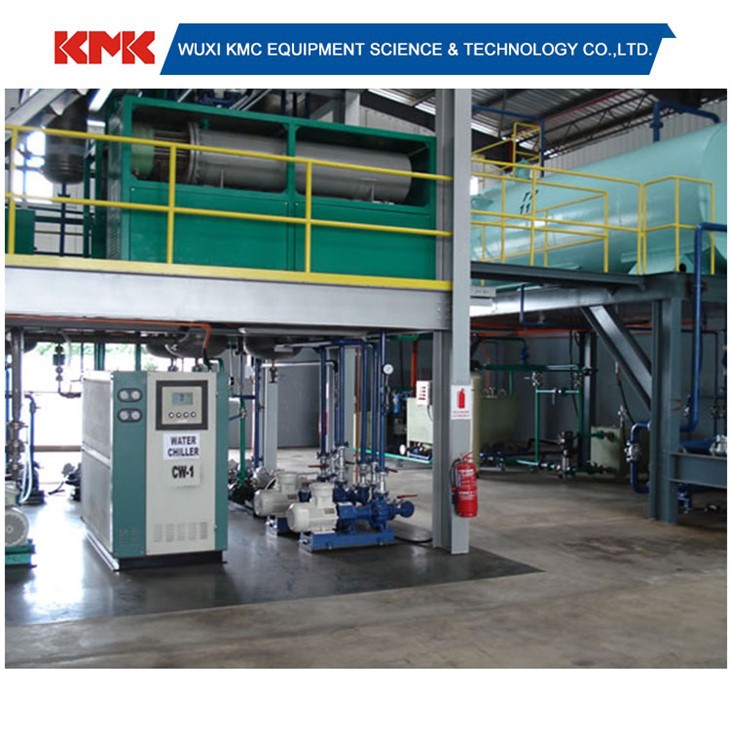

If you're in the market for a wiped film evaporator, it's important to pay close attention to the surface finish of the evaporation chamber. At our company, we take great care in ensuring that the surface finish of our evaporation chambers meets the highest standards. We use advanced manufacturing techniques to achieve a smooth and defect - free surface, which helps to optimize the performance of our wiped film evaporators.
We also offer a range of options when it comes to surface finish, depending on your specific requirements. Whether you need a super - smooth surface for heat - sensitive applications or a slightly rough surface for enhanced heat transfer, we can customize the evaporation chamber to suit your needs.
By now, you might be wondering about other types of evaporators that are related to the wiped film evaporator. Well, I'd like to mention a few here. You can check out our Multiple Effect Evaporators which are designed to save energy by using the vapor from one evaporation stage to heat the next stage. And if you're interested in Evaporative Distillation Engineering, we have some great solutions in that area too. Another interesting option is the Short Path Evaporator, which is ideal for high - vacuum applications and separating high - boiling and heat - sensitive compounds.
In conclusion, the surface finish of the evaporation chamber is a critical factor that can significantly affect the performance of a wiped film evaporator. It impacts everything from heat transfer and liquid flow to product quality and equipment maintenance. If you're looking for a reliable wiped film evaporator that offers excellent performance, we're here to help. We've got the expertise and the technology to provide you with a high - quality product that meets your specific needs. So, if you're interested in learning more or want to discuss your requirements, don't hesitate to get in touch with us for a procurement discussion.
References
- Perry, R. H., & Green, D. W. (1997). Perry's Chemical Engineers' Handbook. McGraw - Hill.
- Walas, S. M. (1985). Chemical Process Equipment: Selection and Design. Butterworth - Heinemann.