

What is the insulation design of a thin film dryer?
May 27, 2025
Leave a message
As a seasoned provider of thin film dryers, I've witnessed firsthand the transformative impact these machines have on various industries. One crucial aspect that often goes unnoticed but plays a pivotal role in the performance and efficiency of a thin film dryer is its insulation design. In this blog post, I'll delve into the intricacies of insulation design for thin film dryers, exploring its importance, key considerations, and best practices.
Importance of Insulation in Thin Film Dryers
Insulation serves multiple purposes in a thin film dryer. Firstly, it helps to minimize heat loss from the drying chamber. Thin film dryers operate by applying a thin layer of liquid or slurry onto a heated surface, where the moisture evaporates rapidly. Maintaining a consistent temperature within the drying chamber is essential for achieving optimal drying efficiency and product quality. Without proper insulation, heat can escape from the dryer, leading to energy wastage and inconsistent drying results.
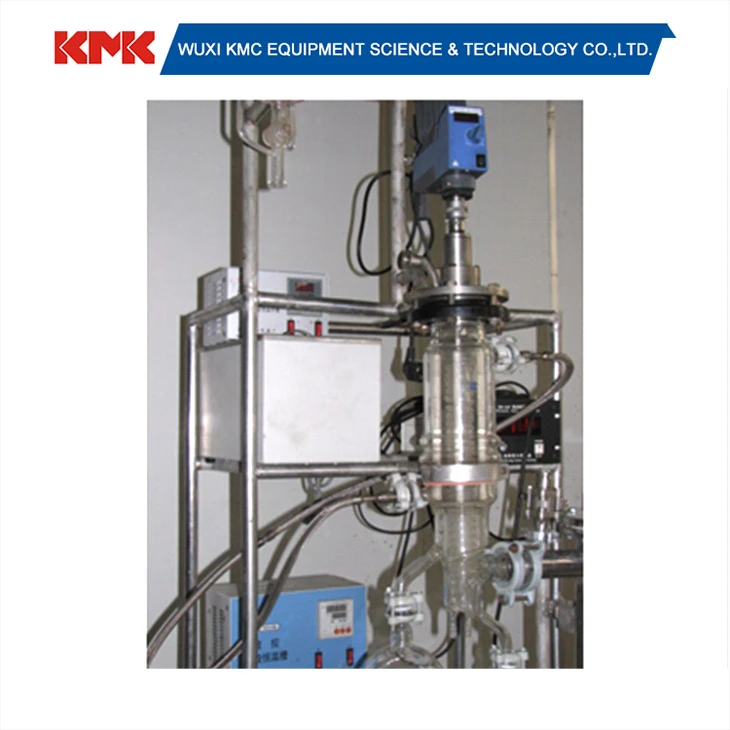

Secondly, insulation protects the surrounding environment from the high temperatures generated by the dryer. Thin film dryers can reach elevated temperatures during operation, and without adequate insulation, the exterior surfaces of the dryer can become extremely hot, posing a safety hazard to operators and potentially causing damage to nearby equipment or structures. Insulation acts as a barrier, reducing the surface temperature of the dryer and minimizing the risk of burns or other accidents.
Finally, insulation can help to reduce noise levels generated by the dryer. The operation of a thin film dryer involves the movement of fluids and the generation of heat, which can produce significant noise. Insulation materials can absorb and dampen sound waves, reducing the overall noise level emitted by the dryer and creating a more comfortable working environment.
Key Considerations in Insulation Design
When designing the insulation for a thin film dryer, several key factors need to be taken into account. These include:
- Thermal Conductivity: The thermal conductivity of the insulation material is a critical factor in determining its effectiveness. Materials with low thermal conductivity, such as fiberglass, mineral wool, and polyurethane foam, are typically used for insulation in thin film dryers. These materials have a high resistance to heat transfer, helping to minimize heat loss from the dryer.
- Thickness: The thickness of the insulation layer also plays a crucial role in its performance. A thicker insulation layer will generally provide better thermal insulation, but it may also increase the cost and weight of the dryer. The optimal thickness of the insulation layer will depend on factors such as the operating temperature of the dryer, the desired level of heat loss reduction, and the available space for insulation.
- Density: The density of the insulation material can affect its thermal conductivity, mechanical strength, and resistance to moisture. Higher density insulation materials generally have better thermal performance but may be more expensive and heavier. Lower density materials may be more cost-effective and lightweight but may have lower thermal conductivity and mechanical strength.
- Moisture Resistance: Moisture can significantly reduce the effectiveness of insulation materials by increasing their thermal conductivity and promoting the growth of mold and bacteria. Insulation materials used in thin film dryers should have good moisture resistance to prevent damage from moisture ingress. Materials such as closed-cell foam insulation and vapor barriers can be used to provide additional protection against moisture.
- Chemical Resistance: Thin film dryers may be used to process a variety of chemicals and solvents, which can have corrosive or reactive properties. Insulation materials used in these applications should be resistant to chemical attack to ensure long-term performance and reliability.
- Fire Resistance: Thin film dryers operate at high temperatures, and there is a risk of fire if the insulation material is not fire-resistant. Insulation materials used in thin film dryers should have good fire resistance to prevent the spread of fire in the event of an accident.
Best Practices in Insulation Design
To ensure the optimal performance and efficiency of a thin film dryer, the following best practices should be followed in insulation design:
- Conduct a Thermal Analysis: Before selecting an insulation material and designing the insulation system, it is important to conduct a thermal analysis of the dryer. This analysis will help to determine the heat loss rate, temperature distribution, and other thermal characteristics of the dryer, allowing for the selection of the most appropriate insulation material and thickness.
- Use High-Quality Insulation Materials: Investing in high-quality insulation materials is essential for achieving long-term performance and reliability. Low-quality insulation materials may have poor thermal performance, be prone to damage, and require frequent replacement, which can increase the overall cost of ownership of the dryer.
- Proper Installation: The installation of the insulation system is just as important as the selection of the insulation material. Improper installation can lead to gaps, voids, and other defects in the insulation layer, which can significantly reduce its effectiveness. It is important to follow the manufacturer's installation instructions carefully and to ensure that the insulation is installed tightly and securely.
- Regular Maintenance: Regular maintenance of the insulation system is essential for ensuring its continued performance and reliability. Insulation materials can degrade over time due to factors such as moisture, temperature cycling, and mechanical stress. Regular inspections should be conducted to check for signs of damage or deterioration, and any damaged or worn insulation should be replaced promptly.
Conclusion
The insulation design of a thin film dryer is a critical aspect that can significantly impact its performance, efficiency, and safety. By understanding the importance of insulation, considering the key factors in insulation design, and following best practices, you can ensure that your thin film dryer operates at its optimal level and provides reliable and consistent performance.
If you're in the market for a thin film dryer or need assistance with insulation design, I encourage you to [contact us](insert contact link). Our team of experts has extensive experience in the design and manufacture of thin film dryers and can provide you with the guidance and support you need to make an informed decision.