

How to reduce the drying time in thin layer drying?
Jun 27, 2025
Leave a message
Hey there! As a supplier of thin layer drying equipment, I've seen firsthand the challenges many folks face when it comes to reducing drying time in thin layer drying processes. In this blog, I'm gonna share some practical tips and insights that can help you cut down on that drying time and boost your efficiency.
Understanding Thin Layer Drying
Before we jump into the ways to reduce drying time, let's quickly go over what thin layer drying is. Thin layer drying is a process where a thin layer of material, like grains, fruits, or other agricultural products, is exposed to a drying medium, usually hot air. The goal is to remove moisture from the material to a desired level. The drying rate in thin layer drying depends on several factors, such as the temperature of the drying air, the humidity of the air, the thickness of the material layer, and the type of material itself.
Controlling Air Temperature and Humidity
One of the most effective ways to reduce drying time is by controlling the temperature and humidity of the drying air. Higher air temperatures generally lead to faster drying rates because they increase the vapor pressure gradient between the material and the air. This gradient is what drives the moisture out of the material. However, you gotta be careful not to set the temperature too high, as it can damage the quality of the material.
For example, if you're drying fruits, high temperatures can cause the fruits to lose their color, flavor, and nutritional value. A good rule of thumb is to start with a relatively low temperature and gradually increase it as the drying process progresses. This way, you can ensure that the material dries evenly and retains its quality.
Humidity also plays a crucial role in drying time. Low humidity in the drying air helps to maintain a high vapor pressure gradient, which speeds up the drying process. You can use dehumidifiers or dryers with built - in humidity control systems to keep the humidity at an optimal level.
Optimizing Material Layer Thickness
The thickness of the material layer has a significant impact on drying time. A thinner layer allows for better air circulation and faster moisture removal. When the layer is too thick, the air may not be able to penetrate through all the material, leading to uneven drying and longer drying times.
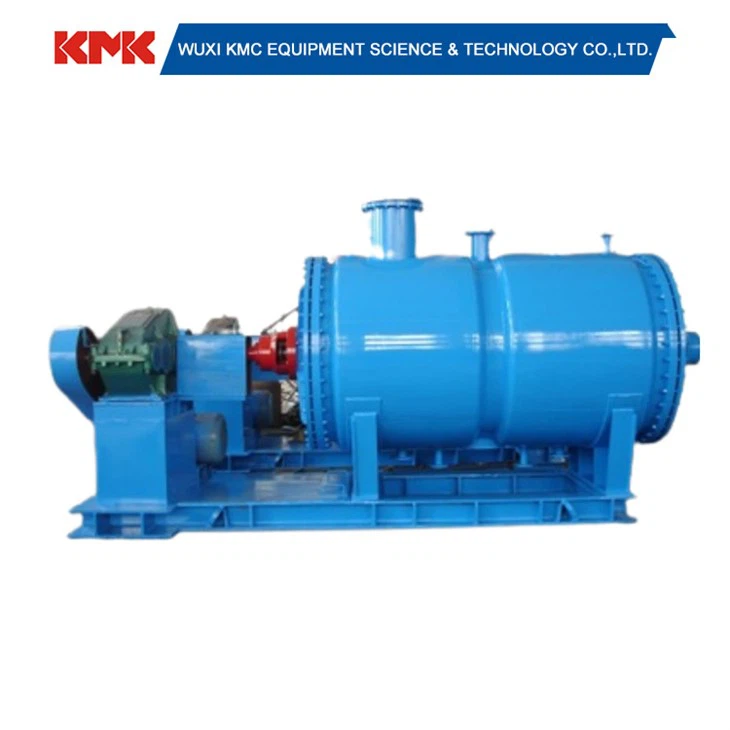
As a supplier, I often recommend that customers spread their materials evenly in a thin layer on the drying surface. If you're using a tray dryer, make sure the trays are not overloaded. You can also consider using equipment that can handle multiple thin layers simultaneously, such as the Rotary Vacuum Dryer. This type of dryer can provide continuous and efficient drying by rotating the material in a vacuum environment, which further reduces drying time.
Improving Airflow
Good airflow is essential for reducing drying time. It helps to carry away the moisture that is being evaporated from the material. There are several ways to improve airflow in your thin layer drying system.
First, you can use fans or blowers to increase the air velocity over the material. This increased velocity enhances the convective heat and mass transfer between the material and the air. Make sure the fans are properly positioned to ensure uniform airflow across the entire drying area.
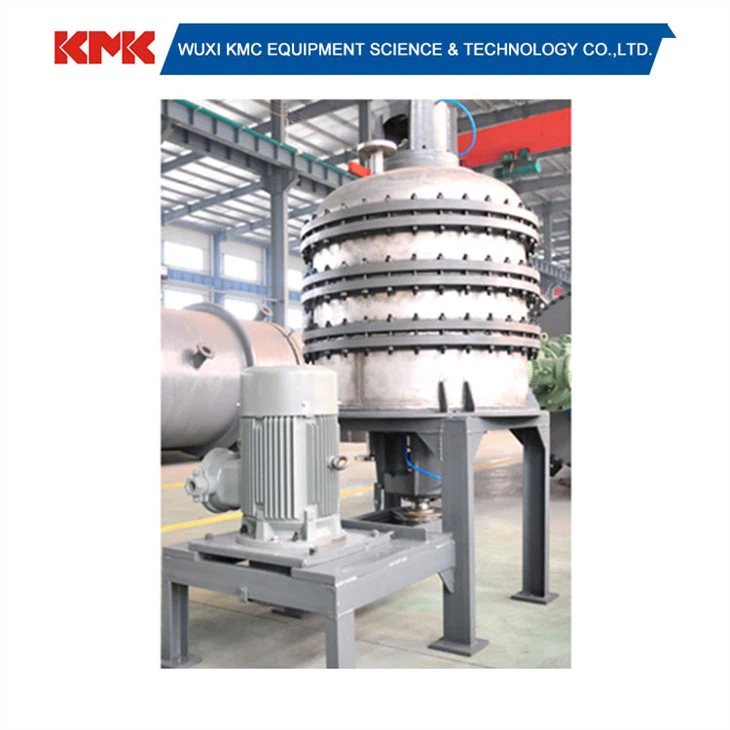
Another option is to use dryers with perforated trays or screens. These allow the air to pass through the material more easily, improving the drying efficiency. The Vertical Thin Film Dryer is a great example of a dryer that utilizes good airflow design. It has a vertical configuration that promotes downward movement of the material while hot air is introduced from the bottom, ensuring excellent contact between the material and the drying air.
Using Agitation
Agitation can significantly reduce drying time by continuously exposing fresh surfaces of the material to the drying air. When the material is agitated, it breaks up any clumps and allows the air to reach all parts of the material more effectively.
The Agitated Thin Film Dryers are specifically designed for this purpose. They use rotating blades or paddles to agitate the material as it moves through the dryer. This agitation not only speeds up the drying process but also helps to prevent the formation of a hard crust on the surface of the material, which can slow down drying.
Pre - treatment of the Material
Pre - treating the material before drying can also have a positive impact on drying time. For example, you can blanch fruits or vegetables before drying. Blanching involves briefly immersing the material in boiling water or steam, which helps to inactivate enzymes that can cause spoilage and discoloration during drying. It also makes the cell walls more permeable, allowing for faster moisture removal.
Another pre - treatment option is to slice or dice the material into smaller pieces. Smaller pieces have a larger surface - area - to - volume ratio, which means more moisture can be exposed to the drying air at once. This can significantly reduce the drying time.
Selecting the Right Drying Equipment
As a thin layer drying supplier, I know that choosing the right equipment is crucial for reducing drying time. Different types of dryers have different capabilities and are suitable for different materials and applications.
For small - scale operations or drying delicate materials, a tray dryer might be a good choice. It's simple to operate and allows for easy monitoring of the drying process. However, for larger - scale operations or materials that require high - speed drying, you might want to consider more advanced dryers like the Rotary Vacuum Dryer or the Agitated Thin Film Dryers.
When selecting a dryer, you should also consider factors such as energy efficiency, ease of cleaning, and maintenance requirements. A dryer that is energy - efficient can save you a lot of money in the long run, and one that is easy to clean and maintain will ensure its long - term performance.
Conclusion
Reducing drying time in thin layer drying is all about finding the right balance between various factors. By controlling air temperature and humidity, optimizing material layer thickness, improving airflow, using agitation, pre - treating the material, and selecting the right drying equipment, you can significantly cut down on drying time and improve the efficiency of your drying process.
If you're interested in learning more about our thin layer drying equipment or have any questions about reducing drying time, feel free to reach out. We're here to help you find the best solutions for your drying needs and start a fruitful business partnership. Let's work together to make your drying process more efficient and profitable!
References
- Mujumdar, A. S. (Ed.). (2014). Handbook of industrial drying. CRC press.
- Geankoplis, C. J. (2003). Transport processes and unit operations. Prentice Hall.
- Barbosa - Canovas, G. V., & Vega - Mercado, H. (1996). Dehydration of foods. In Food dehydration: A comprehensive review (pp. 1 - 42). Springer, Boston, MA.