

How does the residence time affect the drying in a thin film dryer?
Jan 19, 2026
Leave a message
In the realm of industrial drying processes, thin film dryers play a pivotal role across various sectors, including chemical, pharmaceutical, and food processing. As a reputable thin film dryer supplier, we understand the importance of optimizing drying operations to achieve maximum efficiency and product quality. One critical factor that significantly influences the drying performance in a thin film dryer is the residence time. In this blog post, we will delve into the concept of residence time and explore how it affects the drying process in a thin film dryer.
Understanding Residence Time in a Thin Film Dryer
Residence time refers to the duration that a material spends within the drying chamber of a thin film dryer. It is a crucial parameter that determines the extent of heat transfer, mass transfer, and moisture removal during the drying process. The residence time can vary depending on several factors, including the design of the dryer, the flow rate of the material, the operating conditions, and the properties of the material being dried.
In a thin film dryer, the material is spread into a thin film on the heated surface of the dryer. As the film moves along the surface, heat is transferred from the heating medium to the material, causing the moisture to evaporate. The residence time determines how long the material is exposed to the heat and the drying environment, which in turn affects the rate and efficiency of moisture removal.
Factors Affecting Residence Time
Several factors can influence the residence time in a thin film dryer. Understanding these factors is essential for optimizing the drying process and achieving the desired drying results.
Dryer Design
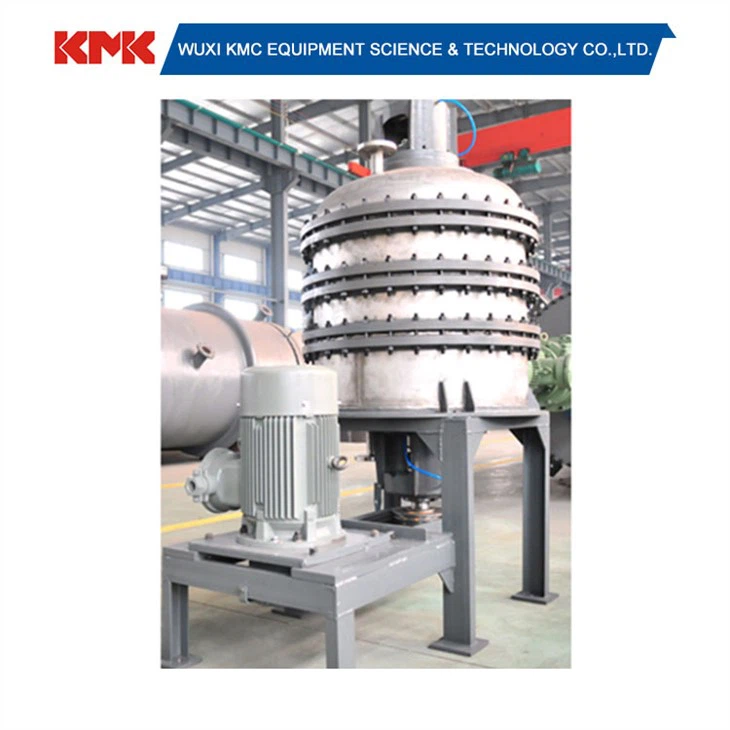
The design of the thin film dryer plays a significant role in determining the residence time. Different types of thin film dryers, such as Agitated Thin Film Dryers and Vertical Thin Film Dryer, have different configurations and flow patterns that can affect the residence time. For example, agitated thin film dryers use a rotor to agitate the material, which can increase the residence time and improve the heat and mass transfer efficiency.
Flow Rate
The flow rate of the material through the dryer is another important factor that affects the residence time. A higher flow rate will result in a shorter residence time, while a lower flow rate will increase the residence time. The flow rate needs to be carefully controlled to ensure that the material has sufficient time to dry while maintaining a high throughput.
Operating Conditions
The operating conditions, such as temperature, pressure, and vacuum level, can also influence the residence time. Higher temperatures and lower pressures can increase the evaporation rate, which may reduce the required residence time. However, extreme operating conditions may also cause thermal degradation or other quality issues, so a balance needs to be struck.
Material Properties
The properties of the material being dried, such as viscosity, density, and moisture content, can also affect the residence time. Materials with higher viscosities may require longer residence times to ensure complete drying, as the heat and mass transfer rates are lower. Similarly, materials with higher moisture contents will need more time to remove the moisture.
Effects of Residence Time on Drying in a Thin Film Dryer
The residence time has a profound impact on the drying process in a thin film dryer. Here are some of the key effects of residence time on drying:
Moisture Removal
The primary goal of the drying process is to remove moisture from the material. The residence time determines how long the material is exposed to the heat and the drying environment, which affects the rate and extent of moisture removal. A longer residence time allows more time for the moisture to evaporate, resulting in a lower final moisture content. However, if the residence time is too long, it may lead to over-drying, which can cause product quality issues.
Heat Transfer
Heat transfer is a critical process in drying. The residence time affects the amount of heat transferred to the material. A longer residence time allows more heat to be transferred, which can increase the evaporation rate. However, excessive residence time may also lead to overheating of the material, which can cause thermal degradation or other quality problems.
Product Quality
The residence time can also have a significant impact on the quality of the dried product. If the residence time is too short, the material may not be fully dried, resulting in a higher moisture content and reduced product quality. On the other hand, if the residence time is too long, the product may be exposed to high temperatures for an extended period, which can cause thermal degradation, color changes, or loss of volatile components.
Throughput
The residence time is inversely related to the throughput of the dryer. A shorter residence time allows more material to pass through the dryer in a given period, increasing the throughput. However, reducing the residence time too much may compromise the drying efficiency and product quality. Therefore, it is essential to find the optimal residence time that balances throughput and drying performance.
Optimizing Residence Time for Efficient Drying
To achieve efficient drying in a thin film dryer, it is crucial to optimize the residence time. Here are some strategies for optimizing the residence time:
Select the Right Dryer Design
Choose a thin film dryer design that is suitable for the specific material and drying requirements. Different dryer designs have different residence time characteristics, so selecting the right design can help ensure that the material has the appropriate residence time for effective drying.
Control the Flow Rate
Carefully control the flow rate of the material through the dryer to achieve the desired residence time. The flow rate should be adjusted based on the material properties, drying requirements, and dryer design.

Optimize Operating Conditions
Optimize the operating conditions, such as temperature, pressure, and vacuum level, to balance the drying rate and residence time. Higher temperatures and lower pressures can increase the evaporation rate, which may allow for a shorter residence time. However, these conditions should be carefully selected to avoid product quality issues.
Monitor and Adjust
Regularly monitor the drying process and adjust the residence time as needed. This can be done by measuring the moisture content of the dried product, observing the product quality, and analyzing the drying efficiency. Adjustments can be made to the flow rate, operating conditions, or dryer design to optimize the residence time.
Conclusion
As a thin film dryer supplier, we recognize the critical role that residence time plays in the drying process. By understanding the factors that affect residence time and its effects on drying, you can optimize your thin film dryer operation to achieve maximum efficiency and product quality. Whether you are in the chemical, pharmaceutical, or food processing industry, choosing the right thin film dryer, controlling the flow rate, optimizing operating conditions, and monitoring the process are all essential steps in ensuring that the residence time is optimized for your specific application.
If you are looking for a high-performance thin film dryer or need further assistance in optimizing your drying process, we are here to help. Our experienced team can provide you with customized solutions and expert advice to meet your specific needs. We also offer a wide range of thin film dryers, including Agitated Thin Film Dryers, Vertical Thin Film Dryer, and High Efficiency Vacuum Rake Dryer. Contact us today to discuss your drying requirements and explore how we can help you achieve your goals.
References
- Perry, R. H., & Green, D. W. (Eds.). (2008). Perry's Chemical Engineers' Handbook. McGraw-Hill Professional.
- Mujumdar, A. S. (Ed.). (2007). Handbook of Industrial Drying. CRC Press.
- Keey, R. B. (1978). Drying Principles and Practice. Pergamon Press.