

What are the advantages of using a thin layer dryer?
Jan 19, 2026
Leave a message
Hey there! As a supplier of thin layer dryers, I've seen firsthand the amazing benefits these machines bring to various industries. In this blog, I'll break down the advantages of using a thin layer dryer, so you can see why it might be the perfect addition to your operation.
1. Efficient Drying Process
One of the biggest perks of a thin layer dryer is its efficiency. When you're dealing with materials that need to be dried, time is money. A thin layer dryer works by spreading the material out in a thin layer, which maximizes the surface area exposed to the drying medium (usually hot air or a vacuum). This means that the moisture can evaporate much more quickly compared to other drying methods.
For example, let's say you're drying a batch of fruits for a food processing company. With a traditional dryer, you might have to wait hours or even days for the fruits to reach the desired moisture content. But with a thin layer dryer, the process can be completed in a fraction of the time. This not only saves you time but also reduces your energy costs since you're not running the dryer for as long.
2. Uniform Drying
Another great advantage is the ability to achieve uniform drying. In a thin layer dryer, the material is evenly spread out, which ensures that every part of the material receives the same amount of heat and airflow. This results in a consistent moisture content throughout the dried product.
Uniform drying is crucial in many industries. In the pharmaceutical industry, for instance, drugs need to have a precise moisture content to ensure their effectiveness and stability. A thin layer dryer can help achieve this level of precision, reducing the risk of product failure and ensuring that your customers receive a high-quality product.
3. Gentle on Materials
Thin layer dryers are also very gentle on the materials being dried. Since the drying process is relatively quick and the heat is evenly distributed, there's less risk of overheating or damaging the material. This is especially important for heat-sensitive materials such as herbs, spices, and certain chemicals.
For example, if you're drying herbs for a natural health product, you want to preserve their flavor, aroma, and nutritional value. A thin layer dryer allows you to do this by drying the herbs at a low temperature and for a short period of time. This helps to retain the essential oils and other beneficial compounds in the herbs, resulting in a higher-quality end product.
4. Versatility
Thin layer dryers are incredibly versatile and can be used to dry a wide range of materials. Whether you're dealing with solids, liquids, or pastes, there's a thin layer dryer that can meet your needs.
Some common applications include drying agricultural products such as grains, fruits, and vegetables; drying chemicals and pharmaceuticals; and drying industrial materials such as plastics and rubber. The ability to use a single dryer for multiple applications makes thin layer dryers a cost-effective solution for many businesses.
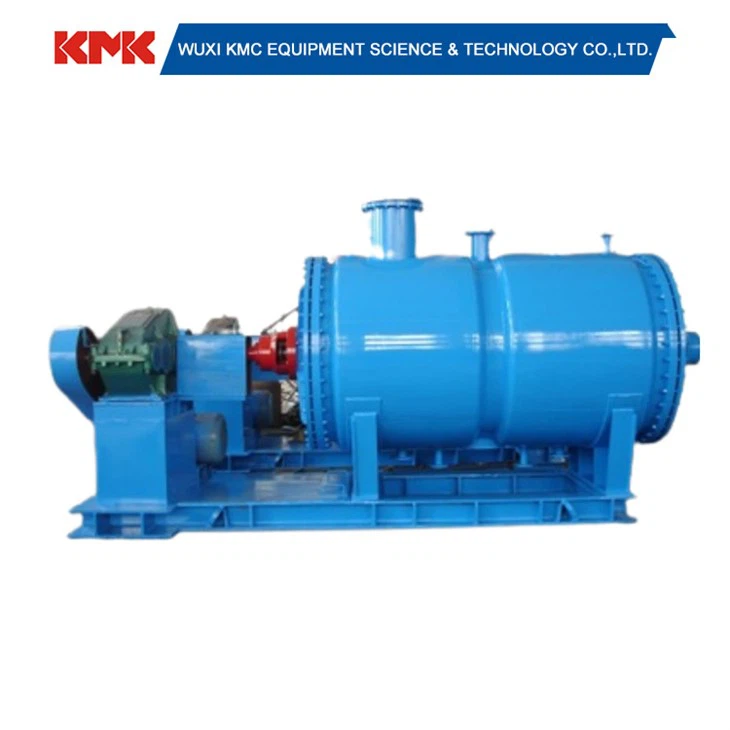

5. Compact Design
If you're short on space, a thin layer dryer is a great option. These dryers typically have a compact design, which means they take up less floor space compared to other types of dryers. This is especially beneficial for small businesses or facilities with limited space.
Despite their compact size, thin layer dryers are still very powerful and can handle large volumes of material. This makes them a practical choice for businesses of all sizes, from small startups to large corporations.
6. Easy to Clean and Maintain
Maintaining a dryer is an important part of ensuring its longevity and performance. Thin layer dryers are relatively easy to clean and maintain, which can save you time and money in the long run.
Most thin layer dryers have a simple design with easy-to-remove parts, which makes it easy to access and clean the internal components. Additionally, many models are equipped with self-cleaning features, such as automatic air filters and dust collectors, which help to keep the dryer clean and running smoothly.
7. Cost-Effective
When it comes to cost, thin layer dryers are a smart investment. While the initial purchase price may be higher than some other types of dryers, the long-term savings in energy costs, labor costs, and product quality make them a cost-effective solution.
As mentioned earlier, thin layer dryers are more efficient than other dryers, which means they use less energy to dry the same amount of material. This can result in significant savings on your energy bills over time. Additionally, the uniform drying and gentle handling of materials can reduce the amount of waste and rework, which can also save you money.
8. Advanced Technology
Thin layer dryers are often equipped with advanced technology that allows for precise control of the drying process. This includes features such as temperature sensors, humidity sensors, and programmable controllers, which allow you to adjust the drying parameters to meet the specific needs of your material.
For example, you can set the temperature, airflow, and drying time based on the type of material you're drying and the desired moisture content. This level of control ensures that you get the best possible results every time, which can improve the quality of your product and increase your productivity.
Different Types of Thin Layer Dryers
There are several types of thin layer dryers available on the market, each with its own unique features and advantages. Here are a few common types:
- Wiped Film Drying: This type of dryer is ideal for drying heat-sensitive and viscous materials. It works by spreading the material in a thin film on a heated surface and then wiping it off with a rotating blade. You can learn more about Wiped Film Drying.
- Rotary Vacuum Dryer: A rotary vacuum dryer uses a rotating drum to dry the material under a vacuum. This method is particularly effective for drying materials that are sensitive to oxygen or that need to be dried at a low temperature. Check out Rotary Vacuum Dryer for more details.
- Thin Layer Drying: The traditional thin layer dryer spreads the material in a thin layer on a conveyor belt or tray and then passes hot air or a vacuum over it to remove the moisture. Find out more about Thin Layer Drying.
Conclusion
In conclusion, the advantages of using a thin layer dryer are clear. From efficient and uniform drying to gentle handling of materials and cost savings, these dryers offer a wide range of benefits for businesses in various industries.
If you're looking for a reliable and efficient drying solution, I encourage you to consider a thin layer dryer. Whether you're a small business owner or a large corporation, a thin layer dryer can help you improve the quality of your product, increase your productivity, and save you money in the long run.
If you're interested in learning more about our thin layer dryers or would like to discuss your specific drying needs, please don't hesitate to reach out. We'd be happy to answer any questions you have and help you find the perfect dryer for your operation.
References
- Smith, J. (2020). Drying Technology Handbook. New York: Wiley.
- Jones, A. (2019). Advances in Thin Layer Drying. Journal of Food Science and Technology, 56(3), 1234-1245.
- Brown, R. (2018). The Benefits of Using a Thin Layer Dryer in the Pharmaceutical Industry. Pharmaceutical Manufacturing, 45(2), 56-62.