

What is the role of convection in thin layer drying?
Jul 11, 2025
Leave a message
What is the role of convection in thin layer drying?
In the field of industrial drying, thin layer drying is a crucial process widely applied in various sectors such as food processing, chemical engineering, and pharmaceuticals. As a leading thin layer drying equipment supplier, we have in - depth knowledge of the underlying principles and factors that influence the efficiency and quality of this process. One of the most significant factors is convection, which plays a multi - faceted role in thin layer drying.
1. Heat and Mass Transfer Enhancement
Convection is a mechanism of heat and mass transfer that occurs when a fluid (either gas or liquid) moves over a solid surface. In thin layer drying, hot air is commonly used as the convective fluid. The movement of hot air over the thin layer of the material to be dried facilitates the transfer of heat from the air to the material.
When the hot air comes into contact with the wet thin layer, heat is transferred from the air to the surface of the material. This heat energy increases the temperature of the moisture within the material, causing it to evaporate. At the same time, the convective flow of air carries away the evaporated moisture from the surface of the material. This continuous process of heat transfer to the material and removal of moisture from the surface is essential for the drying process.
For example, in the food industry, when drying thin slices of fruits or vegetables, the convective flow of hot air helps to quickly raise the temperature of the moisture in the slices and carry it away. This not only shortens the drying time but also helps to preserve the nutritional value and color of the food products. Without convection, the heat transfer would be limited to conduction, which is a much slower process. Conduction would rely on the slow movement of heat through the material itself, resulting in longer drying times and potentially uneven drying.
2. Uniformity of Drying
Convection plays a vital role in ensuring the uniformity of drying across the thin layer. The moving air distributes heat evenly over the surface of the material. This prevents the formation of hot spots or cold spots on the thin layer, which could lead to uneven drying.
In a well - designed thin layer drying system, the convective air is directed in a way that it covers the entire surface of the thin layer. This can be achieved through proper air duct design and the use of fans or blowers to control the air flow. For instance, in a pharmaceutical drying process where thin layers of powders or granules need to be dried, a uniform convective air flow ensures that all the particles receive the same amount of heat and have their moisture removed at a consistent rate.
If the drying is not uniform, some parts of the thin layer may be over - dried while others remain wet. Over - dried parts can lose their quality, such as in the case of food products becoming brittle and losing flavor. On the other hand, wet parts can become a breeding ground for microorganisms, reducing the shelf - life of the product. Therefore, convection helps to maintain the quality and consistency of the dried product.
3. Impact on Drying Kinetics
The rate of drying in a thin layer is significantly influenced by convection. The convective heat and mass transfer coefficients determine how fast the moisture can be removed from the material. The convective heat transfer coefficient is related to the properties of the fluid (such as its thermal conductivity, density, and viscosity) and the flow characteristics (such as the velocity of the air).
As the velocity of the convective air increases, the convective heat transfer coefficient also increases. This means that more heat can be transferred to the material per unit time, resulting in a higher rate of moisture evaporation. However, there is a limit to this effect. At very high air velocities, the drying rate may not increase proportionally due to factors such as the formation of a boundary layer around the material that resists the transfer of heat and mass.
In practical thin layer drying applications, the optimal air velocity needs to be determined based on the properties of the material being dried and the drying conditions. For example, when drying a thin layer of heat - sensitive materials, a lower air velocity may be preferred to avoid over - heating the material while still maintaining an acceptable drying rate.
4. Our Thin Layer Drying Equipment and Convection
As a thin layer drying equipment supplier, we design our products to maximize the benefits of convection. Our ZPG Series Vacuum Rake Dryer is a prime example. This dryer uses a combination of vacuum and convection to achieve efficient and gentle drying. The vacuum environment reduces the boiling point of the moisture, allowing for drying at lower temperatures. At the same time, the convective movement of the heated medium inside the dryer helps to transfer heat evenly to the thin layer of the material.
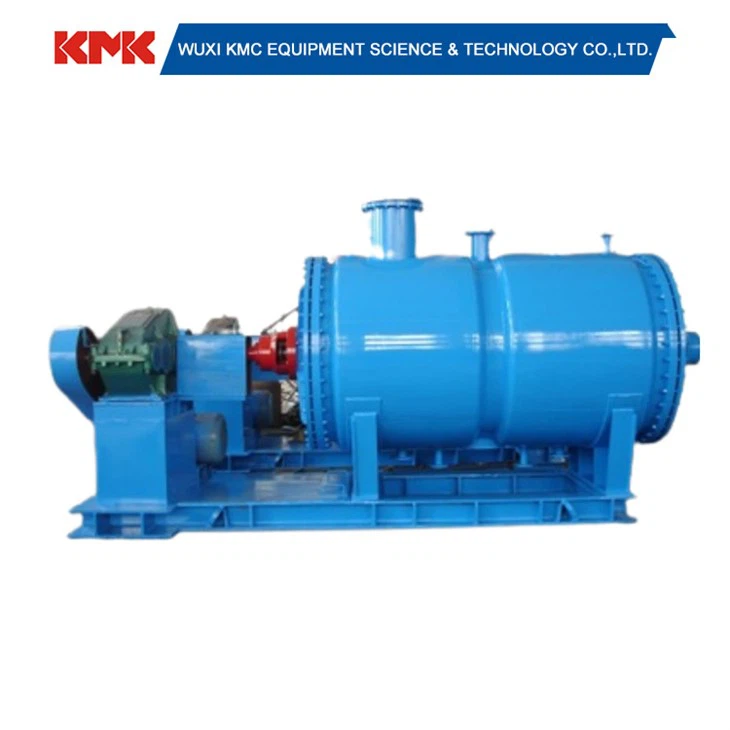
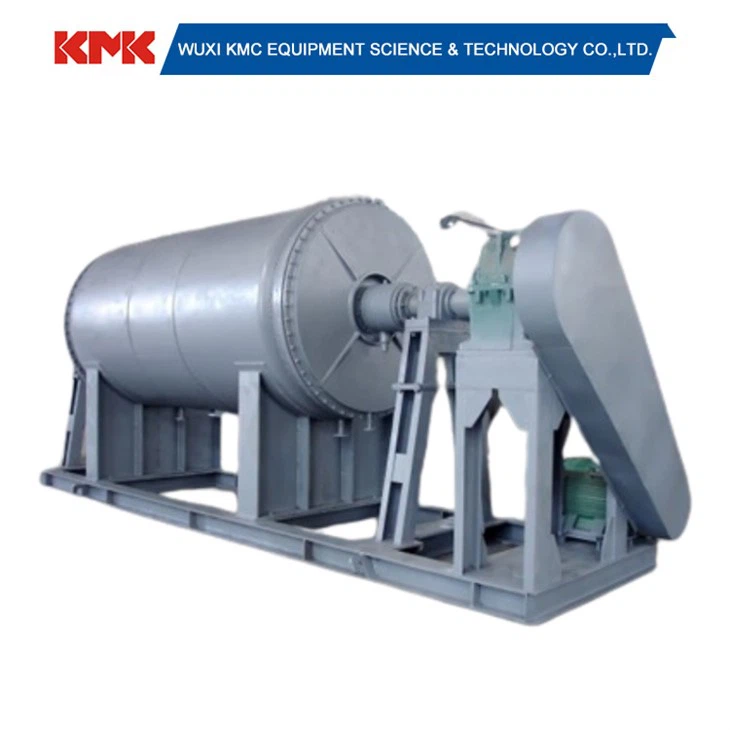
Our Vacuum Rake Dryer also utilizes convection to enhance the drying process. The rotating rake in the dryer helps to mix the material, ensuring that all parts of the thin layer are exposed to the convective heat and mass transfer. This improves the uniformity of drying and shortens the overall drying time.
The Rotary Vacuum Dryer is another product in our portfolio. In this dryer, the rotation of the drum creates a convective flow of the heated air inside, which promotes efficient heat and mass transfer. The continuous tumbling of the material in the drum also helps to prevent the material from sticking together and ensures that all surfaces of the thin layer are dried uniformly.
5. Contact for Procurement
If you are in need of high - quality thin layer drying equipment that effectively utilizes convection to achieve efficient and uniform drying, we are here to assist you. Our team of experts can provide you with detailed information about our products, help you select the most suitable dryer for your specific application, and offer comprehensive after - sales support. We understand the importance of convection in thin layer drying and have designed our equipment to make the most of this natural phenomenon. Contact us today to start a procurement discussion and take your thin layer drying process to the next level.
References
- Mujumdar, A. S. (2014). Handbook of Industrial Drying. CRC Press.
- Keey, R. B. (1978). Drying Principles and Practice. Pergamon Press.
- Strumillo, C., & Kudra, T. (1986). Drying: Principles, Applications and Design. Gordon and Breach Science Publishers.