

How to ensure the hygiene of a thin layer dryer when drying food?
Jul 11, 2025
Leave a message
As a supplier of thin layer dryers, ensuring the hygiene of these machines when drying food is of utmost importance. Food safety is a critical concern for both consumers and producers, and the proper hygiene of drying equipment plays a significant role in maintaining the quality and safety of the final food products. In this blog post, I will share some key strategies and best practices on how to ensure the hygiene of a thin layer dryer when drying food.
1. Design and Material Selection
The design and material of the thin layer dryer are fundamental factors that affect its hygiene. When designing a thin layer dryer for food drying, it is essential to choose materials that are food - grade and resistant to corrosion and contamination. Stainless steel is a popular choice for food - processing equipment due to its durability, easy cleaning, and resistance to rust and chemical corrosion.
The dryer should be designed with smooth surfaces and minimal crevices or corners where food particles and moisture can accumulate. A well - designed thin layer dryer should also have easy - to - remove parts for thorough cleaning. For example, the trays or conveyor belts used in the dryer should be detachable, allowing for easy access to all areas of the equipment for cleaning and sanitization.
2. Pre - cleaning Procedures
Before using the thin layer dryer for food drying, it is crucial to perform a thorough pre - cleaning. This involves removing any debris, dust, or leftover food particles from the previous drying cycle. Start by disassembling all removable parts of the dryer, such as trays, filters, and fans. Soak these parts in a food - safe cleaning solution to loosen any stubborn dirt.
Use a soft - bristle brush to scrub the surfaces of the dryer, including the interior walls, heating elements, and air ducts. Pay special attention to areas where food residue is likely to accumulate, such as the corners and edges of the trays. Rinse all parts thoroughly with clean water to remove any traces of the cleaning solution.
3. Sanitization
After pre - cleaning, sanitization is the next step to ensure the hygiene of the thin layer dryer. Sanitization helps to kill any remaining bacteria, viruses, or fungi that may be present on the surfaces of the dryer. There are several sanitizing agents available for food - processing equipment, such as chlorine - based sanitizers, quaternary ammonium compounds, and hydrogen peroxide.
Follow the manufacturer's instructions when using sanitizing agents, including the proper dilution ratio and contact time. Immerse the removable parts in the sanitizing solution for the recommended time, usually between 1 - 5 minutes. For non - removable parts, spray the sanitizing solution evenly on the surfaces and allow it to air - dry. Avoid using excessive amounts of sanitizer, as this can leave residues on the equipment that may contaminate the food.
4. Air Filtration and Ventilation
Proper air filtration and ventilation are essential for maintaining the hygiene of a thin layer dryer. The air used in the drying process should be clean and free from contaminants. Install high - efficiency particulate air (HEPA) filters in the air intake of the dryer to remove dust, pollen, and other airborne particles.
Regularly inspect and replace the air filters to ensure their effectiveness. Good ventilation is also crucial to prevent the build - up of moisture and odors inside the dryer. Make sure that the exhaust vents are clear and unobstructed, allowing the moist air to escape efficiently. This helps to prevent the growth of mold and bacteria in the dryer.
5. Operator Training
Well - trained operators are key to ensuring the hygiene of the thin layer dryer. Provide comprehensive training to all operators on proper cleaning, sanitization, and maintenance procedures. Operators should understand the importance of food safety and the role they play in maintaining the hygiene of the drying equipment.
Train operators on how to handle food properly during the loading and unloading process to prevent cross - contamination. They should also be aware of the signs of equipment malfunction or contamination and know when to stop the drying process and take corrective action.
6. Regular Maintenance
Regular maintenance of the thin layer dryer is essential to keep it in good working condition and ensure its hygiene. This includes checking and lubricating moving parts, inspecting electrical components, and calibrating temperature and humidity controls.
Schedule regular maintenance checks by qualified technicians to identify and address any potential issues before they become major problems. Keep a maintenance log to record all maintenance activities, including cleaning, sanitization, and repairs.
7. Monitoring and Testing
Implement a monitoring and testing program to ensure the ongoing hygiene of the thin layer dryer. Regularly test the surfaces of the dryer for the presence of bacteria and other contaminants using swab tests or other appropriate methods.

Monitor the temperature, humidity, and airflow inside the dryer to ensure that they are within the optimal range for food drying. Any deviations from the normal operating parameters should be investigated and corrected promptly.
8. Use of Appropriate Drying Parameters
Selecting the appropriate drying parameters is also important for maintaining food hygiene. The temperature and time of the drying process should be carefully controlled to ensure that the food is dried thoroughly without over - heating or under - drying. Over - heating can cause the food to burn and produce harmful compounds, while under - drying can leave moisture in the food, promoting the growth of microorganisms.
Related Products
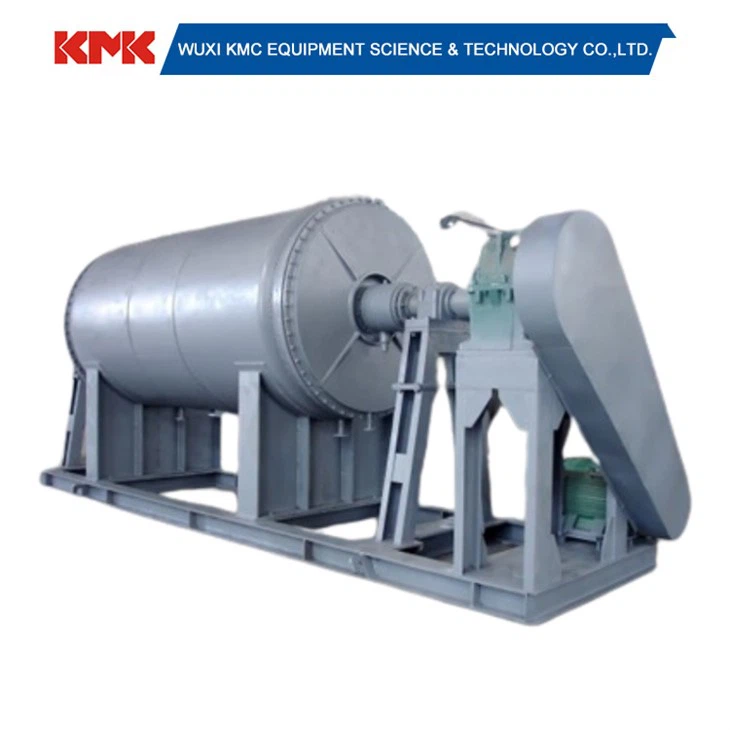
If you are interested in exploring other types of dryers, we also offer ZPG Series Vacuum Rake Dryer, Vacuum Rake Dryer, and Wiped Film Dryer. These dryers are designed with similar hygiene - focused features and can be suitable for various food - drying applications.
Conclusion
Ensuring the hygiene of a thin layer dryer when drying food is a multi - faceted process that requires attention to design, cleaning, sanitization, maintenance, and monitoring. By following these best practices, you can minimize the risk of food contamination and produce high - quality, safe food products.
If you are in the market for a reliable and hygienic thin layer dryer, we are here to help. Our company offers a wide range of thin layer dryers that are designed with food safety in mind. Contact us today to discuss your specific requirements and start a procurement negotiation. We look forward to working with you to meet your food - drying needs.
References
- "Food Safety and Sanitation in Food Processing Equipment" by the Food and Agriculture Organization of the United Nations.
- "Principles of Food Sanitation" by Robert L. Buchanan and A. Catherine Edelson.
- Manufacturer's manuals for thin layer dryers and related cleaning and sanitizing agents.