

What is the moisture content reduction ability of a thin layer dryer?
Mar 17, 2026
Leave a message
Moisture content reduction is a critical process across various industries, including food processing, pharmaceuticals, and chemical manufacturing. As a leading supplier of thin layer dryers, we understand the significance of efficient moisture removal in obtaining high-quality products. In this blog post, we will explore the moisture content reduction ability of thin layer dryers, shedding light on how they can revolutionize your drying processes.
Understanding Thin Layer Dryers
Thin layer dryers are designed to dry materials by exposing them in a thin layer to a drying medium, typically hot air or a vacuum environment. This design allows for a large surface area of the material to be in contact with the drying medium, facilitating rapid heat and mass transfer. Our company offers a range of thin layer dryers, including Agitated Thin Film Dryers, which are highly efficient in handling both heat - sensitive and viscous materials.
Mechanisms of Moisture Content Reduction
The primary mechanism behind the moisture content reduction in thin layer dryers is the process of evaporation. When the wet material is exposed to the drying medium, the heat energy from the medium is transferred to the moisture in the material, causing the moisture to change from a liquid state to a vapor state. The vapor is then carried away from the material surface by the flow of the drying medium.
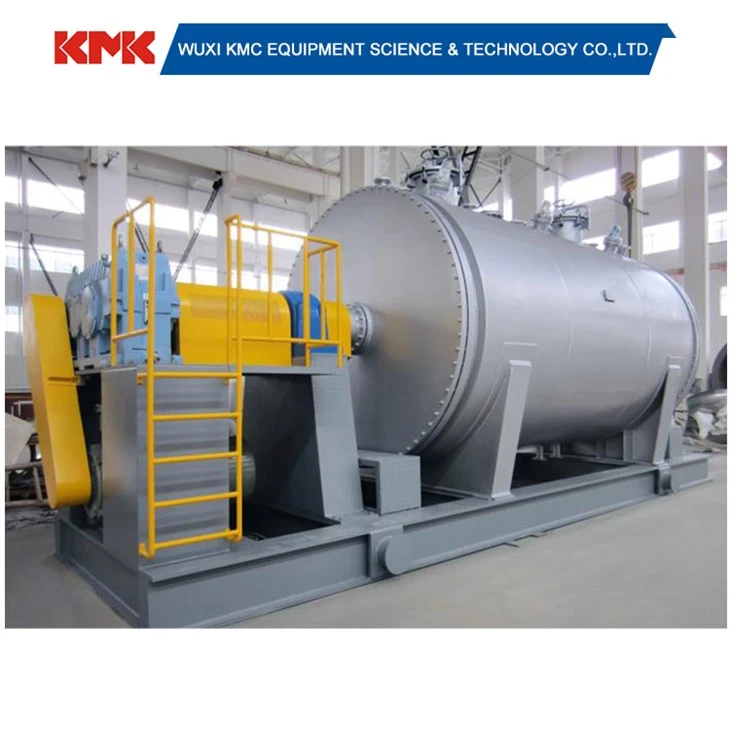
In a vacuum environment, as used in our ZHG - II Series Vacuum Rake Dryer, the boiling point of water is significantly reduced. This means that moisture can be removed at lower temperatures, which is particularly beneficial for heat - sensitive materials such as certain pharmaceuticals and food products. The reduced temperature helps to preserve the quality and integrity of the product while still achieving efficient moisture removal.
Factors Affecting Moisture Content Reduction
Several factors influence the moisture content reduction ability of thin layer dryers. These include the characteristics of the drying medium, the properties of the material being dried, and the design of the dryer itself.
-
Drying Medium Characteristics
- Temperature: A higher temperature of the drying medium increases the rate of evaporation. However, as mentioned earlier, for heat - sensitive materials, a balance must be struck between the temperature and the quality of the product. Our ZHG - I Series Vacuum Rake Dryer allows for precise temperature control, enabling optimal moisture reduction without compromising product quality.
- Velocity: The velocity of the drying medium affects the rate of heat and mass transfer. A higher velocity can enhance the removal of the vapor from the material surface, thereby increasing the drying rate. However, excessive velocity may cause the material to be blown away or damaged, especially for fine - particle materials.
- Humidity: The lower the humidity of the drying medium, the greater its capacity to absorb moisture from the material. In some cases, dehumidification systems may be used to reduce the humidity of the drying air, improving the moisture content reduction efficiency.
-
Material Properties
- Initial Moisture Content: The higher the initial moisture content of the material, the longer the drying time required. Different materials have different initial moisture contents, and our thin layer dryers are designed to be adaptable to a wide range of moisture levels.
- Particle Size and Shape: Smaller particle sizes and larger surface - to - volume ratios generally result in faster drying rates. The shape of the particles can also affect the distribution of the drying medium around the particles, influencing the overall drying efficiency.
- Porosity and Permeability: Porous materials allow the drying medium to penetrate more easily, facilitating the removal of moisture from the interior of the material. Materials with high permeability have a faster diffusion rate of moisture through the material, leading to more efficient drying.
-
Dryer Design
- Contact Area: A larger contact area between the material and the drying medium leads to more efficient heat and mass transfer. Our thin layer dryers are designed to maximize this contact area, ensuring rapid moisture removal.
- Residence Time: The time that the material spends in the dryer, known as the residence time, is crucial for achieving the desired moisture content reduction. Our dryers allow for adjustable residence times, enabling customization according to the specific requirements of different materials.
Applications and Benefits of High Moisture Content Reduction Ability
The high moisture content reduction ability of our thin layer dryers makes them suitable for a wide range of applications.
-
Food Industry
In the food industry, moisture reduction is essential for product preservation, flavor enhancement, and shelf - life extension. Our thin layer dryers can be used to dry fruits, vegetables, grains, and meats. By efficiently removing moisture, the growth of microorganisms is inhibited, and the nutritional value and flavor of the food products are retained. -
Pharmaceutical Industry
For pharmaceutical products, moisture control is critical to maintain their stability and efficacy. Our dryers, especially those operating in a vacuum environment, can dry delicate pharmaceutical ingredients and products at low temperatures, preventing thermal degradation and ensuring high - quality end - products.
-
Chemical Industry
Chemical products often require precise moisture control to meet quality standards. Our thin layer dryers can handle various chemical materials, including polymers, pigments, and catalysts. The efficient moisture removal helps to improve the chemical properties and processability of these materials.
Case Studies
Let's take a look at some real - world case studies to illustrate the moisture content reduction ability of our thin layer dryers.
In a food processing company, they were using traditional drying methods to dry fruits, which resulted in long drying times and inconsistent quality. After switching to our Agitated Thin Film Dryer, the drying time was significantly reduced by up to 50%. The moisture content of the dried fruits was more evenly distributed, and the overall quality of the products was improved, leading to increased customer satisfaction.
In a pharmaceutical research laboratory, they needed to dry a heat - sensitive drug compound. Our ZHG - II Series Vacuum Rake Dryer was used, and the compound was dried at a low temperature under vacuum conditions. The final product retained its chemical integrity, and the moisture content was reduced to the desired level, ensuring the effectiveness of the drug.
Contact Us for Your Drying Needs
If you are in need of a reliable thin layer dryer with excellent moisture content reduction ability, look no further. Our team of experts is ready to assist you in selecting the right dryer for your specific requirements. Whether you are in the food, pharmaceutical, or chemical industry, we can provide you with customized solutions. Contact us for a free consultation and let's discuss how our thin layer dryers can optimize your drying processes and enhance the quality of your products.
References
- Mujumdar, A. S. (Ed.). (2007). Handbook of industrial drying. CRC press.
- Keey, R. B. (1978). Drying principles and practice. Pergamon Press.
- Heldman, D. R., & Lund, D. B. (Eds.). (2006). Handbook of food engineering. CRC press.