

What is the maximum evaporation capacity of a Wipe Film Evaporator?
Jun 20, 2025
Leave a message
As a leading supplier of Wipe Film Evaporators, I often encounter inquiries about the maximum evaporation capacity of these remarkable machines. In this blog post, I will delve into the factors that influence the evaporation capacity of a Wipe Film Evaporator and provide insights into achieving the maximum performance.
Understanding Wipe Film Evaporators
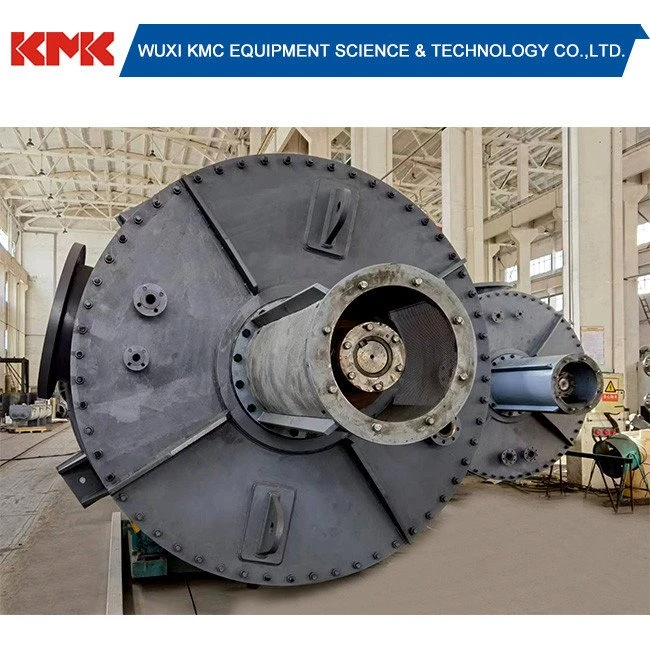
Before we discuss the maximum evaporation capacity, let's briefly understand what a Wipe Film Evaporator is. A Wiped Film Evaporators is a type of thin - film evaporator that is widely used in various industries such as chemical, pharmaceutical, food, and environmental sectors. It operates by spreading a thin film of the feed liquid on a heated surface using rotating wipers. This thin film allows for efficient heat transfer and rapid evaporation of the volatile components.
There are different types of Wipe Film Evaporators, including Centrifugal Thin Film Vacuum Evaporator and Scraped Surface Vacuum Evaporator. Each type has its own unique design and operating principles, but they all share the common goal of achieving high - efficiency evaporation.
Factors Affecting Evaporation Capacity
1. Heating Surface Area
The heating surface area is one of the most critical factors influencing the evaporation capacity of a Wipe Film Evaporator. A larger heating surface area provides more space for the feed liquid to spread and evaporate. Manufacturers design Wipe Film Evaporators with different surface areas to meet the diverse needs of customers. Generally, the evaporation capacity is directly proportional to the heating surface area. For example, a Wipe Film Evaporator with a larger diameter and longer length will have a greater heating surface area and, consequently, a higher evaporation capacity.
2. Feed Flow Rate
The feed flow rate also plays a significant role in determining the evaporation capacity. If the feed flow rate is too high, the liquid film on the heating surface may become too thick, which can reduce the heat transfer efficiency and evaporation rate. On the other hand, if the feed flow rate is too low, the evaporation capacity will not be fully utilized. Therefore, it is essential to optimize the feed flow rate according to the characteristics of the feed liquid and the design of the evaporator.

3. Temperature Difference
The temperature difference between the heating medium and the feed liquid is another important factor. A larger temperature difference provides a greater driving force for heat transfer, which can increase the evaporation rate. However, it is important to note that the temperature of the feed liquid should not exceed its decomposition temperature to avoid product degradation. In practical applications, the temperature difference is carefully controlled to ensure both high evaporation capacity and product quality.
4. Vacuum Level
Operating the Wipe Film Evaporator under vacuum conditions can significantly increase the evaporation capacity. A lower pressure reduces the boiling point of the feed liquid, allowing for evaporation at lower temperatures. This is particularly beneficial for heat - sensitive materials. By maintaining a high vacuum level, the evaporation process can be accelerated, and the overall evaporation capacity can be improved.
5. Physical Properties of the Feed Liquid
The physical properties of the feed liquid, such as viscosity, density, and surface tension, also affect the evaporation capacity. High - viscosity liquids are more difficult to spread into a thin film on the heating surface, which can reduce the heat transfer efficiency and evaporation rate. Similarly, liquids with high density and surface tension may require more energy to form a stable thin film. Therefore, it is necessary to consider these properties when selecting and operating a Wipe Film Evaporator.
Calculating the Maximum Evaporation Capacity
Determining the maximum evaporation capacity of a Wipe Film Evaporator is a complex process that requires considering all the factors mentioned above. In general, manufacturers provide the rated evaporation capacity of their products based on specific operating conditions. However, in real - world applications, the actual evaporation capacity may deviate from the rated value due to variations in feed liquid properties, operating conditions, and equipment performance.
To calculate the maximum evaporation capacity more accurately, engineers often use mathematical models and empirical correlations. These models take into account the heat transfer coefficient, mass transfer coefficient, and other parameters related to the evaporation process. By inputting the relevant data, such as the heating surface area, feed flow rate, temperature difference, and vacuum level, the models can predict the evaporation capacity under different conditions.
Achieving the Maximum Evaporation Capacity
To achieve the maximum evaporation capacity of a Wipe Film Evaporator, the following steps can be taken:
1. Proper Equipment Selection
Choose a Wipe Film Evaporator with a suitable heating surface area and design based on the expected feed flow rate and the properties of the feed liquid. Consider the type of evaporator, such as centrifugal or scraped - surface, depending on the specific requirements of the application.
2. Optimize Operating Conditions
Optimize the feed flow rate, temperature difference, and vacuum level to ensure efficient heat transfer and evaporation. Regularly monitor and adjust these parameters during operation to maintain the best performance.
3. Maintain the Equipment
Regular maintenance of the Wipe Film Evaporator is crucial for achieving maximum evaporation capacity. This includes cleaning the heating surface, checking the wipers for wear, and ensuring the proper functioning of the vacuum system and other components.
4. Product Testing
Conduct product testing before full - scale production to determine the optimal operating conditions for the specific feed liquid. This can help to fine - tune the process and maximize the evaporation capacity.
Conclusion
The maximum evaporation capacity of a Wipe Film Evaporator is influenced by multiple factors, including heating surface area, feed flow rate, temperature difference, vacuum level, and the physical properties of the feed liquid. By understanding these factors and taking appropriate measures, such as proper equipment selection, optimization of operating conditions, and regular maintenance, the maximum evaporation capacity can be achieved.
If you are interested in our Wipe Film Evaporators or have any questions about evaporation capacity and related issues, please feel free to contact us for more information and procurement discussions. We are committed to providing high - quality products and professional technical support to meet your specific needs.
References
- Perry, R. H., & Green, D. W. (Eds.). (2008). Perry's Chemical Engineers' Handbook. McGraw - Hill.
- Walas, S. M. (1985). Chemical Process Equipment: Selection and Design. Butterworth - Heinemann.