

What is the influence of the heat source on the evaporation process?
Jun 10, 2025
Leave a message
The evaporation process is a fundamental operation in numerous industrial applications, ranging from chemical processing to food and beverage production. At the heart of this process lies the heat source, which plays a pivotal role in determining the efficiency, quality, and overall success of evaporation. As a leading supplier of Wipe Film Evaporators, we have witnessed firsthand the profound influence of heat sources on the evaporation process. In this blog, we will delve into the various aspects of this influence, exploring how different heat sources impact evaporation rates, product quality, and equipment performance.
Understanding the Evaporation Process
Before we discuss the influence of heat sources, it is essential to understand the basic principles of the evaporation process. Evaporation is a phase transition from the liquid to the gaseous state, typically occurring at the surface of a liquid. This process requires energy, which is provided by the heat source. The heat causes the liquid molecules to gain enough kinetic energy to break free from the surface tension and enter the vapor phase.
In a wipe film evaporator, the evaporation process is enhanced by the use of a rotating wiper system. The wiper spreads the liquid feed into a thin film on the heated evaporator wall, increasing the surface area available for evaporation. This design allows for efficient heat transfer and rapid evaporation, even at low temperatures and under vacuum conditions.
Types of Heat Sources
There are several types of heat sources commonly used in evaporation processes, each with its own advantages and limitations. The choice of heat source depends on various factors, including the nature of the feed material, the required evaporation rate, and the available energy sources. Some of the most common heat sources include:
- Steam: Steam is one of the most widely used heat sources in industrial evaporation due to its high heat transfer coefficient and availability. It can be generated on-site using boilers or obtained from a central steam supply. Steam heating provides uniform and controllable heat, making it suitable for a wide range of applications. However, steam systems require significant infrastructure and maintenance, and the cost of steam generation can be relatively high.
- Hot Oil: Hot oil is another popular heat source for evaporation, especially in applications where high temperatures are required. Hot oil systems use a heat transfer fluid, typically a synthetic oil, to transfer heat from a heater to the evaporator. This method offers precise temperature control and can operate at higher temperatures than steam systems. However, hot oil systems can be more complex and expensive to install and maintain, and the heat transfer fluid may require regular replacement.
- Electric Heating: Electric heating is a convenient and flexible heat source for small-scale evaporation applications. It uses electrical resistance heaters to generate heat, which is then transferred to the evaporator. Electric heating offers precise temperature control and can be easily integrated into existing systems. However, it can be more expensive to operate than steam or hot oil heating, especially in regions with high electricity costs.
- Direct Firing: Direct firing involves burning a fuel, such as natural gas or oil, directly in a combustion chamber to generate heat. This method is commonly used in large-scale evaporation processes, where high heat fluxes are required. Direct firing can provide high temperatures and rapid evaporation rates, but it requires careful control to ensure efficient combustion and minimize emissions.
Influence of Heat Sources on Evaporation Rates
The heat source has a significant impact on the evaporation rate, which is a critical parameter in the design and operation of evaporation systems. The evaporation rate is determined by the amount of heat transferred to the liquid feed and the surface area available for evaporation. Different heat sources have different heat transfer coefficients, which affect the rate at which heat is transferred to the liquid.
- Steam Heating: Steam has a high heat transfer coefficient, which means it can transfer heat quickly and efficiently to the liquid feed. This results in a high evaporation rate, especially when using a wipe film evaporator, which maximizes the surface area available for evaporation. Steam heating also provides uniform heat distribution, ensuring consistent evaporation across the entire surface of the evaporator.
- Hot Oil Heating: Hot oil has a lower heat transfer coefficient than steam, but it can still provide high evaporation rates, especially at high temperatures. The use of a hot oil system allows for precise temperature control, which can optimize the evaporation process and improve product quality. However, the lower heat transfer coefficient may require a larger heat transfer area or a higher flow rate of hot oil to achieve the same evaporation rate as steam heating.
- Electric Heating: Electric heating has a relatively low heat transfer coefficient compared to steam and hot oil heating. However, it can be used effectively in small-scale evaporation applications where precise temperature control is required. Electric heating also offers the advantage of being clean and easy to install and operate.
- Direct Firing: Direct firing can provide very high heat fluxes, resulting in rapid evaporation rates. However, the combustion process can be difficult to control, and the high temperatures generated can cause thermal degradation of the feed material. Therefore, direct firing is typically used in applications where the feed material is thermally stable and can withstand high temperatures.
Influence of Heat Sources on Product Quality
In addition to affecting the evaporation rate, the heat source can also have a significant impact on product quality. The choice of heat source can influence the temperature profile, residence time, and chemical reactions that occur during the evaporation process, which can all affect the quality of the final product.
- Temperature Profile: The temperature profile during the evaporation process is critical for maintaining product quality. Different heat sources can provide different temperature profiles, depending on their heat transfer characteristics and the design of the evaporator. For example, steam heating typically provides a more uniform temperature profile than electric heating, which can result in better product quality.
- Residence Time: The residence time of the feed material in the evaporator is another important factor that can affect product quality. The heat source can influence the residence time by affecting the evaporation rate and the flow pattern of the liquid feed. For example, a high evaporation rate can reduce the residence time, which can help to minimize thermal degradation of the feed material.
- Chemical Reactions: The heat source can also influence the chemical reactions that occur during the evaporation process. Some heat sources, such as direct firing, can generate high temperatures and reactive species that can cause chemical reactions in the feed material. These reactions can lead to the formation of impurities or degradation products, which can affect the quality of the final product. Therefore, it is important to choose a heat source that is compatible with the feed material and can minimize the occurrence of chemical reactions.
Influence of Heat Sources on Equipment Performance
The heat source can also have a significant impact on the performance and reliability of the evaporation equipment. Different heat sources can place different demands on the equipment, depending on their temperature, pressure, and chemical properties.

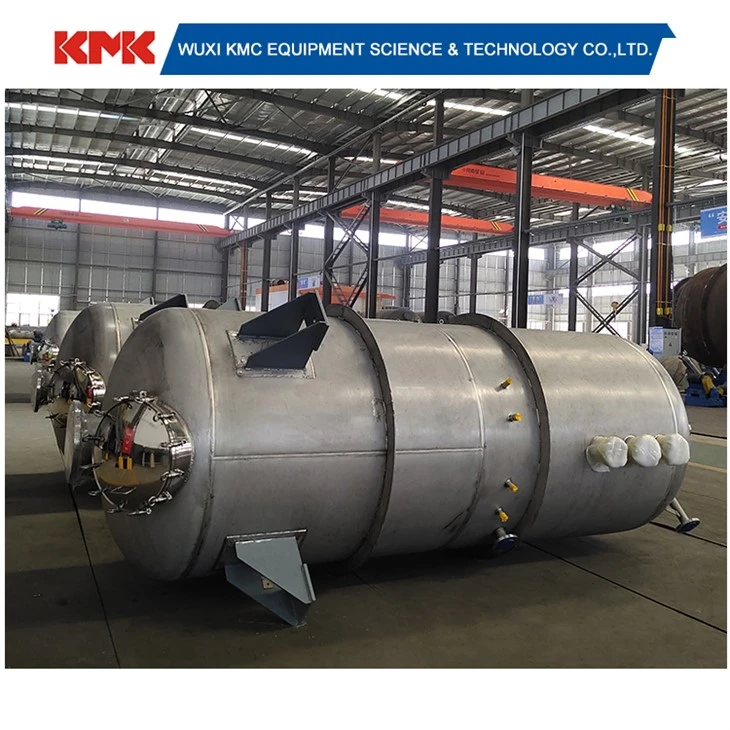
- Corrosion and Erosion: Some heat sources, such as steam and hot oil, can contain impurities or corrosive substances that can cause corrosion and erosion of the evaporation equipment. This can lead to reduced equipment lifespan, increased maintenance costs, and potential safety hazards. Therefore, it is important to choose a heat source that is compatible with the materials of construction of the equipment and to implement appropriate corrosion prevention measures.
- Scaling and Fouling: The heat source can also cause scaling and fouling of the evaporation equipment, especially in applications where the feed material contains dissolved solids or other impurities. Scaling and fouling can reduce the heat transfer efficiency of the equipment, increase energy consumption, and require frequent cleaning and maintenance. Therefore, it is important to choose a heat source that can minimize the occurrence of scaling and fouling and to implement appropriate cleaning and maintenance procedures.
- Thermal Stress: The heat source can also cause thermal stress in the evaporation equipment, especially when there are large temperature differences between the heat source and the feed material. Thermal stress can lead to deformation, cracking, and other structural damage to the equipment, reducing its performance and reliability. Therefore, it is important to choose a heat source that can provide a uniform temperature profile and to design the equipment to withstand thermal stress.
Conclusion
In conclusion, the heat source plays a crucial role in the evaporation process, influencing the evaporation rate, product quality, and equipment performance. As a supplier of Wipe Film Evaporators, we understand the importance of choosing the right heat source for each application. By considering the factors discussed in this blog, such as the nature of the feed material, the required evaporation rate, and the available energy sources, we can help our customers select the most suitable heat source for their evaporation needs.
If you are interested in learning more about our Wipe Film Evaporators or other evaporation equipment, or if you have any questions about the influence of heat sources on the evaporation process, please do not hesitate to contact us. Our team of experts is always available to provide you with the information and support you need to make informed decisions about your evaporation system.
References
- Perry, R. H., & Green, D. W. (Eds.). (2008). Perry's Chemical Engineers' Handbook (8th ed.). McGraw-Hill.
- Walas, S. M. (1985). Chemical Process Equipment: Selection and Design. Butterworth-Heinemann.
- Mujumdar, A. S. (Ed.). (2014). Handbook of Industrial Drying (4th ed.). CRC Press.