

What are the safety regulations for operating a thin layer evaporator?
Jun 09, 2025
Leave a message
Hey there! As a supplier of thin layer evaporators, I often get asked about the safety regulations for operating these nifty machines. So, I thought I'd put together this blog post to share all the essential safety info you need to know.
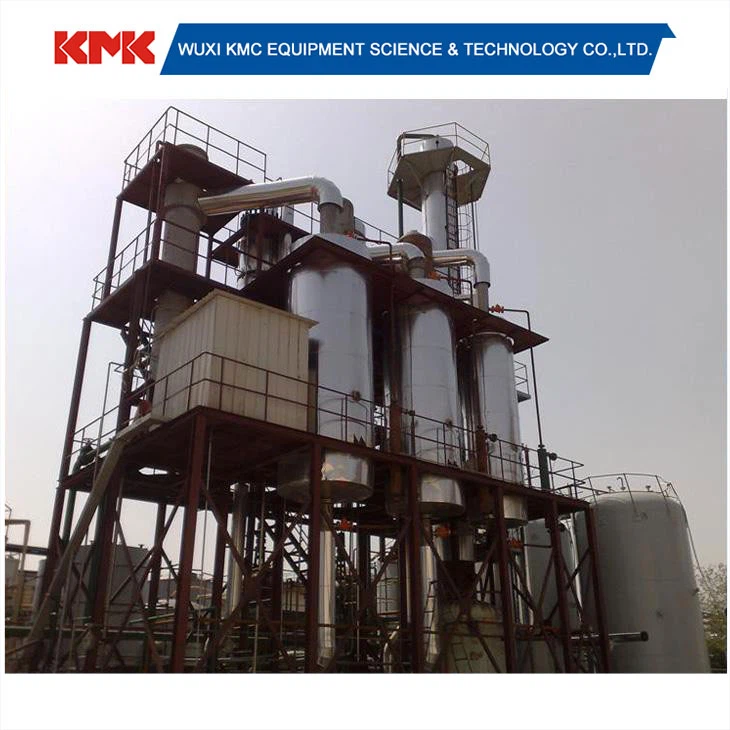
First off, let's talk about what a thin layer evaporator is. It's a type of equipment used in various industries, like chemical, pharmaceutical, and food processing, to separate and concentrate substances. There are different types, such as the Climbing And Falling Film Plate Evaporator, Agitated Film Evaporator, and Wiped Film Stills Evaporators. Each has its own unique features, but they all work on the principle of creating a thin film of the liquid to be evaporated, which speeds up the evaporation process.
Now, onto the safety regulations. These are super important because operating a thin layer evaporator can be dangerous if you don't follow the rules.
Pre - operation Safety Checks
Before you even think about turning on the thin layer evaporator, you need to do a thorough pre - operation check. First, inspect the equipment for any visible damage. Look for cracks in the glass components (if it has glass parts), loose connections in the piping, and any signs of wear and tear on the seals. A damaged seal can lead to leaks, which can be a major safety hazard, especially if the substances being processed are toxic or flammable.
Check the electrical components as well. Make sure all the wires are properly insulated and there are no exposed conductors. Faulty electrical connections can cause short - circuits, which not only damage the equipment but can also pose a serious risk of electric shock to the operator.
Verify that all the safety devices are in working order. This includes pressure relief valves, temperature sensors, and emergency stop buttons. The pressure relief valve is crucial as it prevents the build - up of excessive pressure inside the evaporator, which could lead to an explosion. The temperature sensors help you monitor the operating temperature, and if it goes beyond the safe limit, you can take corrective action. And of course, the emergency stop button should be easily accessible and functional in case of an emergency.
Personal Protective Equipment (PPE)
Wearing the right PPE is non - negotiable when operating a thin layer evaporator. Depending on the nature of the substances being processed, you may need to wear safety goggles to protect your eyes from splashes. If there's a risk of inhaling harmful vapors, a respirator is a must. Gloves are also essential to protect your hands from chemical burns or cuts from sharp edges on the equipment.
In some cases, you might need to wear a lab coat or protective clothing to prevent your skin from coming into contact with the substances. And don't forget about safety shoes to protect your feet from any falling objects or spills on the floor.
Operating Procedures
When it comes to actually operating the thin layer evaporator, you need to follow the manufacturer's instructions to the letter. Start by setting the correct operating parameters, such as temperature, pressure, and flow rate. These parameters are carefully determined based on the properties of the substances being processed and the design of the evaporator.
Don't overload the evaporator. Each model has a maximum capacity, and exceeding it can not only reduce the efficiency of the evaporation process but also put extra stress on the equipment, increasing the risk of failure.
During operation, constantly monitor the equipment. Keep an eye on the temperature and pressure gauges, and listen for any unusual noises. If you notice any fluctuations in the readings or hear strange sounds, stop the operation immediately and investigate the cause.
When adding or removing substances from the evaporator, do it slowly and carefully. Sudden changes in the amount of liquid can cause pressure surges or splashing, which can be dangerous.
Maintenance and Cleaning
Regular maintenance and cleaning are essential for the safe operation of a thin layer evaporator. Follow the recommended maintenance schedule provided by the manufacturer. This may include tasks like lubricating moving parts, replacing worn - out seals, and checking the alignment of components.
Clean the evaporator after each use or at regular intervals, depending on the type of substances being processed. Residue build - up can affect the performance of the equipment and may also react with new substances added later, leading to unexpected chemical reactions. Use the appropriate cleaning agents recommended by the manufacturer, and make sure to rinse the equipment thoroughly to remove any traces of the cleaning agent.

Emergency Preparedness
Even with all the safety measures in place, emergencies can still happen. That's why you need to be prepared. Have an emergency plan in place that outlines the steps to take in case of a fire, explosion, chemical spill, or any other type of accident.
Make sure all operators are trained on the emergency plan and know how to use the fire extinguishers and other emergency equipment available in the area. Conduct regular drills to ensure that everyone can respond quickly and effectively in an emergency situation.
Storage and Handling of Chemicals
If you're using the thin layer evaporator to process chemicals, proper storage and handling are crucial. Store the chemicals in a well - ventilated area, away from sources of heat and ignition. Make sure the containers are properly labeled with the name of the chemical, its hazards, and the appropriate safety precautions.
When transferring chemicals to the evaporator, use the right equipment, such as funnels and pipettes, to prevent spills. And always follow the correct procedures for mixing and diluting chemicals if required.
Training and Education
All operators of the thin layer evaporator should receive proper training. This training should cover not only the operating procedures but also the safety regulations. It should include hands - on training so that the operators get a feel for the equipment and understand how to respond to different situations.
Ongoing education is also important. As new safety technologies and best practices emerge, make sure your operators are updated. This can be done through in - house training sessions, online courses, or attending industry conferences.
In conclusion, operating a thin layer evaporator safely requires a combination of pre - operation checks, proper use of PPE, following the correct operating procedures, regular maintenance, emergency preparedness, and proper handling of chemicals. By adhering to these safety regulations, you can minimize the risk of accidents and ensure the smooth and efficient operation of your thin layer evaporator.
If you're in the market for a thin layer evaporator or have any questions about safety regulations or our products, don't hesitate to reach out. We're here to help you make the right choice and ensure that you can operate your equipment safely and effectively.
References
- Manufacturer's manuals for thin layer evaporators
- Occupational Safety and Health Administration (OSHA) guidelines for chemical processing equipment
- Industry standards for evaporation equipment safety