

What is the effect of thin layer drying on the enzymatic activity of the material?
May 14, 2025
Leave a message
Thin layer drying is a crucial process in various industries, including food, pharmaceuticals, and agriculture. It involves the removal of moisture from a material in a thin layer, which can significantly impact the enzymatic activity of the material. As a leading supplier of thin layer drying equipment, we have witnessed firsthand the effects of this drying method on enzymatic activity. In this blog post, we will explore the relationship between thin layer drying and enzymatic activity, discussing the factors that influence it and the implications for different industries.
Understanding Enzymatic Activity
Enzymes are biological catalysts that play a vital role in many biochemical reactions. They are proteins that speed up chemical reactions by lowering the activation energy required for the reaction to occur. Enzymatic activity is influenced by various factors, including temperature, pH, substrate concentration, and the presence of inhibitors or activators.
In the context of thin layer drying, enzymatic activity can be affected by the drying conditions, such as temperature, air velocity, and drying time. These factors can influence the stability and functionality of enzymes, leading to changes in their activity. For example, high temperatures can denature enzymes, causing them to lose their catalytic activity. Similarly, prolonged drying times can lead to enzyme inactivation due to dehydration and oxidative stress.
Factors Affecting Enzymatic Activity during Thin Layer Drying
Temperature
Temperature is one of the most critical factors affecting enzymatic activity during thin layer drying. Enzymes have an optimal temperature range at which they exhibit maximum activity. When the temperature exceeds this range, enzymes can denature, leading to a loss of activity. In thin layer drying, high temperatures are often used to accelerate the drying process, but this can have a detrimental effect on enzymatic activity.
To minimize the impact of temperature on enzymatic activity, it is essential to choose the appropriate drying temperature based on the nature of the material and the enzymes present. For heat-sensitive materials, low-temperature drying methods, such as vacuum drying or freeze drying, may be more suitable. These methods can help preserve the enzymatic activity of the material by reducing the exposure to high temperatures.

Air Velocity
Air velocity is another important factor that can affect enzymatic activity during thin layer drying. High air velocities can increase the rate of moisture removal, but they can also cause mechanical damage to the enzymes. This can lead to a loss of enzymatic activity due to the disruption of the enzyme's structure.
To optimize the air velocity during thin layer drying, it is necessary to find a balance between the rate of moisture removal and the preservation of enzymatic activity. This can be achieved by adjusting the air velocity based on the characteristics of the material and the drying equipment. For example, in some cases, a lower air velocity may be preferred to minimize the mechanical stress on the enzymes.
Drying Time
Drying time is closely related to the temperature and air velocity during thin layer drying. Prolonged drying times can lead to enzyme inactivation due to dehydration and oxidative stress. As the moisture content of the material decreases, the concentration of enzymes increases, which can increase the likelihood of enzyme-enzyme interactions and oxidative damage.
To minimize the drying time and preserve enzymatic activity, it is important to optimize the drying conditions. This can involve using a combination of appropriate temperature, air velocity, and drying equipment to achieve the desired moisture content in the shortest possible time. Additionally, the use of antioxidants or other protective agents can help reduce oxidative stress and preserve enzymatic activity during drying.
Implications for Different Industries
Food Industry
In the food industry, enzymatic activity plays a crucial role in many processes, such as flavor development, texture modification, and preservation. Thin layer drying is commonly used in the food industry to preserve food products by removing moisture and inhibiting the growth of microorganisms. However, the drying process can also affect the enzymatic activity of the food, leading to changes in its quality and sensory properties.
For example, in the production of dried fruits and vegetables, thin layer drying can cause a loss of enzymatic activity, resulting in a reduction in flavor and nutritional value. To mitigate this effect, food manufacturers often use pre-treatment methods, such as blanching or the addition of antioxidants, to preserve the enzymatic activity of the food during drying. Additionally, the use of low-temperature drying methods can help minimize the impact of drying on enzymatic activity and maintain the quality of the food product.
Pharmaceutical Industry
In the pharmaceutical industry, enzymes are used in various applications, such as drug synthesis, drug delivery, and diagnostic testing. Thin layer drying is used to produce pharmaceutical products in a dry form, which can improve their stability and shelf life. However, the drying process can also affect the enzymatic activity of the pharmaceutical product, leading to a loss of potency or efficacy.

To ensure the quality and effectiveness of pharmaceutical products, it is essential to carefully control the drying conditions to preserve the enzymatic activity of the enzymes. This may involve using specialized drying equipment, such as Agitated Thin Film Drying, which can provide precise control over the drying temperature and time. Additionally, the use of protective agents, such as stabilizers or excipients, can help maintain the enzymatic activity of the pharmaceutical product during drying.
Agriculture Industry
In the agriculture industry, thin layer drying is used to dry agricultural products, such as grains, seeds, and hay, to prevent spoilage and improve storage stability. Enzymatic activity can play a role in the quality and germination potential of these products. For example, enzymes involved in the breakdown of starch and proteins can affect the nutritional value and digestibility of grains.
During thin layer drying, the enzymatic activity of agricultural products can be affected by the drying conditions. To ensure the quality and viability of agricultural products, it is important to optimize the drying process to preserve the enzymatic activity. This may involve using appropriate drying temperatures and times, as well as monitoring the moisture content of the product during drying.
Our Thin Layer Drying Solutions
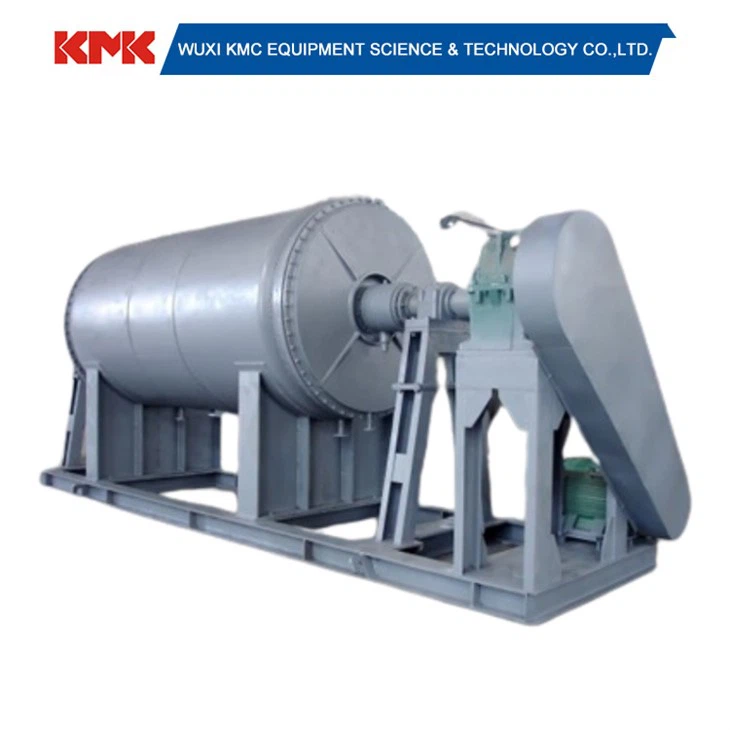
As a leading supplier of thin layer drying equipment, we offer a range of innovative solutions to meet the diverse needs of our customers. Our products include ZHG-I Series Vacuum Rake Dryer and Vacuum Rake Dryer, which are designed to provide efficient and gentle drying of various materials.
Our thin layer drying equipment is equipped with advanced features, such as precise temperature control, adjustable air velocity, and automated operation, to ensure optimal drying conditions and preserve the enzymatic activity of the material. We also offer customized solutions based on the specific requirements of our customers, ensuring that they get the most suitable drying equipment for their application.
Conclusion
Thin layer drying can have a significant impact on the enzymatic activity of the material, which can affect its quality, functionality, and shelf life. By understanding the factors that influence enzymatic activity during thin layer drying and choosing the appropriate drying conditions and equipment, it is possible to minimize the negative effects and preserve the enzymatic activity of the material.
As a trusted supplier of thin layer drying equipment, we are committed to providing our customers with high-quality products and solutions that meet their specific needs. If you are interested in learning more about our thin layer drying equipment or discussing your drying requirements, please feel free to contact us. We look forward to working with you to achieve your drying goals.
References
- Barbosa-Cánovas, G. V., Ortega-Rivas, E., Juliano, P., & Yan, H. (2005). Dehydration of foods. CRC press.
- Heldman, D. R., & Hartel, R. W. (1997). Principles of food processing. Aspen Publishers.
- Singh, R. P., & Heldman, D. R. (2009). Introduction to food engineering. Academic press.