

How to compare different thin layer dryers from different manufacturers?
May 14, 2025
Leave a message
When it comes to procuring thin layer dryers, making an informed decision is crucial. As a supplier of thin layer dryers, I understand the challenges customers face in comparing different models from various manufacturers. This blog aims to provide a comprehensive guide on how to evaluate and compare thin layer dryers, enabling you to select the most suitable equipment for your specific needs.
1. Understanding Thin Layer Drying
Before delving into the comparison process, it's essential to have a clear understanding of Thin Layer Drying. Thin layer drying is a process where a thin layer of material is dried under controlled conditions. This method offers several advantages, including faster drying times, better quality control, and reduced energy consumption. It is widely used in industries such as food processing, pharmaceuticals, and chemical manufacturing.
2. Key Factors to Consider in Comparison
2.1 Drying Capacity
One of the primary considerations when comparing thin layer dryers is their drying capacity. This refers to the amount of material the dryer can process within a given time frame. Different manufacturers may offer dryers with varying capacities, so it's important to determine your production requirements accurately. For example, if you have a large-scale production operation, you'll need a dryer with a high drying capacity to meet your output needs.
2.2 Drying Efficiency
Drying efficiency is another critical factor. It measures how effectively the dryer can remove moisture from the material. Higher efficiency means less energy consumption and shorter drying times. When comparing dryers, look for features such as advanced heating systems, optimized airflow design, and precise temperature control. These features can significantly enhance the drying efficiency of the equipment.
2.3 Temperature and Humidity Control
Precise temperature and humidity control are essential for achieving consistent drying results. Different materials require specific temperature and humidity conditions during the drying process. A good thin layer dryer should be able to maintain these conditions accurately throughout the drying cycle. Some manufacturers offer dryers with programmable temperature and humidity controls, allowing you to customize the drying process according to your material's requirements.
2.4 Material Compatibility
Not all thin layer dryers are suitable for every type of material. Some materials may be sensitive to high temperatures, while others may require gentle handling to avoid damage. When comparing dryers, consider the types of materials you'll be drying and ensure that the dryer is compatible with them. Manufacturers often provide information about the materials their dryers can handle, so make sure to check this before making a decision.
2.5 Construction and Durability
The construction quality and durability of the dryer are also important considerations. A well-built dryer will last longer and require less maintenance over its lifespan. Look for dryers made from high-quality materials, such as stainless steel, which are resistant to corrosion and wear. Additionally, check the design of the dryer to ensure that it is easy to clean and maintain.
2.6 Safety Features
Safety should always be a top priority when operating any industrial equipment. When comparing thin layer dryers, look for safety features such as overheat protection, emergency stop buttons, and proper ventilation systems. These features can help prevent accidents and ensure the safety of your operators.
2.7 Cost
Cost is undoubtedly an important factor in the decision-making process. However, it's important to consider the total cost of ownership rather than just the initial purchase price. This includes factors such as energy consumption, maintenance costs, and the lifespan of the equipment. A dryer with a higher initial cost may actually be more cost-effective in the long run if it has lower operating costs and a longer lifespan.
3. Comparing Specific Models: ZHG-I Series and ZHG-II Series Vacuum Rake Dryers
As a supplier, we offer two popular models of thin layer dryers: the ZHG-I Series Vacuum Rake Dryer and the ZHG-II Series Vacuum Rake Dryer. Let's compare these two models based on the factors mentioned above.
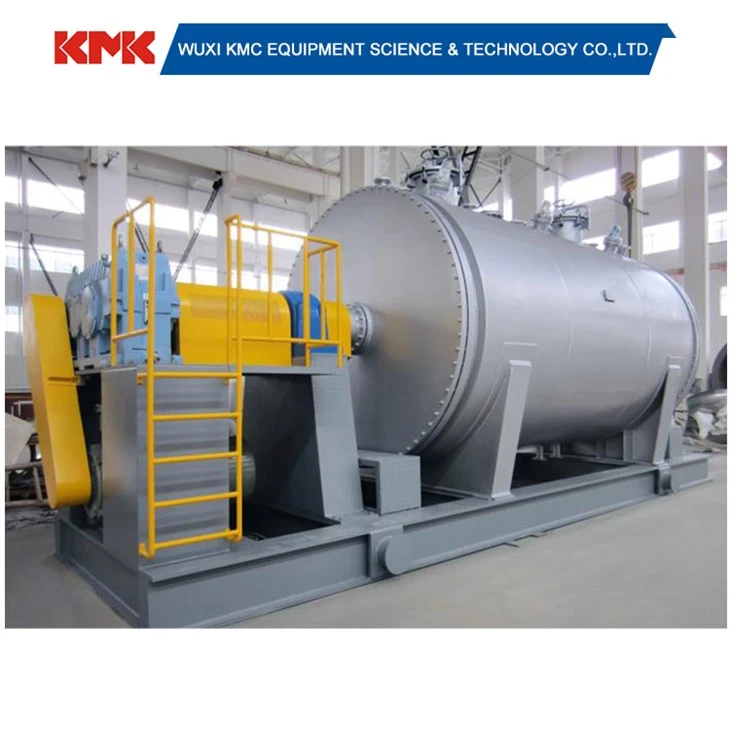
3.1 Drying Capacity
The ZHG-II Series Vacuum Rake Dryer generally has a higher drying capacity compared to the ZHG-I Series. This makes it more suitable for large-scale production operations where high throughput is required. However, if your production volume is relatively low, the ZHG-I Series may be a more cost-effective option.
3.2 Drying Efficiency
Both models are designed with advanced heating and airflow systems to ensure high drying efficiency. However, the ZHG-II Series incorporates some additional features, such as a more optimized rake design, which can further enhance the drying efficiency and reduce drying times.
3.3 Temperature and Humidity Control
Both the ZHG-I and ZHG-II Series offer precise temperature and humidity control. They are equipped with digital control panels that allow you to set and monitor the drying parameters accurately. However, the ZHG-II Series may have more advanced control features, such as real-time data logging and remote monitoring capabilities.

3.4 Material Compatibility
Both models are suitable for a wide range of materials, including heat-sensitive and viscous materials. However, the ZHG-II Series has been specifically designed to handle more challenging materials, thanks to its improved agitation and mixing capabilities.
3.5 Construction and Durability
Both the ZHG-I and ZHG-II Series are built with high-quality stainless steel, ensuring excellent corrosion resistance and durability. However, the ZHG-II Series may have some additional structural reinforcements and improved sealing systems, making it more robust and reliable in long-term operation.

3.6 Safety Features
Both models are equipped with comprehensive safety features, such as overheat protection, emergency stop buttons, and interlock systems. However, the ZHG-II Series may have some additional safety enhancements, such as advanced fault detection and alarm systems.
3.7 Cost
The ZHG-II Series is generally more expensive than the ZHG-I Series due to its higher capacity, advanced features, and improved performance. However, as mentioned earlier, it's important to consider the total cost of ownership when making a decision. If the increased performance and features of the ZHG-II Series can lead to significant savings in energy consumption, maintenance costs, and production time, it may be a worthwhile investment.
4. Requesting Quotes and Evaluating Proposals
Once you have identified the key factors and compared different models, the next step is to request quotes from different manufacturers. When requesting quotes, make sure to provide detailed information about your requirements, such as the type of material, production volume, and desired drying parameters. This will ensure that the quotes you receive are accurate and comparable.
In addition to the price, also evaluate the proposals based on other factors such as the manufacturer's reputation, after-sales service, and warranty terms. A reliable manufacturer with a good track record and excellent after-sales support can provide you with peace of mind and ensure the smooth operation of your dryer.
5. Contact Us for Procurement and Consultation
If you are interested in learning more about our thin layer dryers or need assistance in selecting the most suitable model for your application, please feel free to contact us. Our team of experts is ready to provide you with detailed information, answer your questions, and guide you through the procurement process. We are committed to helping you make the right decision and providing you with high-quality equipment that meets your needs and expectations.
References
- Perry, R. H., & Green, D. W. (Eds.). (2008). Perry's Chemical Engineers' Handbook. McGraw-Hill Professional.
- Mujumdar, A. S. (Ed.). (2014). Handbook of Industrial Drying. CRC Press.
- Singh, R. P., & Heldman, D. R. (2014). Introduction to Food Engineering. Academic Press.