

What is the minimum moisture content achievable by wiped film drying?
May 14, 2025
Leave a message
Wiped film drying is a highly efficient and versatile process used in various industries for the removal of solvents, water, or other volatile components from liquid or viscous materials. As a leading supplier of wiped film drying equipment, we often receive inquiries about the minimum moisture content achievable through this process. In this blog post, we will delve into the factors that influence the minimum moisture content in wiped film drying and explore the potential limits of this technology.
Understanding Wiped Film Drying
Before we discuss the minimum moisture content, it's essential to understand how wiped film drying works. In a wiped film dryer, a thin film of the feed material is spread onto a heated surface by a set of wiper blades. The wiper blades continuously agitate the film, ensuring uniform heat transfer and preventing the formation of a stagnant layer. As the film moves along the heated surface, the volatile components evaporate, leaving behind a dried product.
The key advantages of wiped film drying include short residence time, high heat transfer coefficients, and the ability to handle high-viscosity materials. These features make it suitable for a wide range of applications, such as the drying of heat-sensitive substances, the concentration of solutions, and the purification of chemicals.
Factors Affecting the Minimum Moisture Content
Several factors influence the minimum moisture content achievable in wiped film drying. These factors can be broadly categorized into equipment-related factors, process parameters, and material properties.
Equipment-Related Factors
- Design of the Dryer: The design of the wiped film dryer plays a crucial role in determining the drying efficiency. Factors such as the geometry of the heating surface, the type and arrangement of the wiper blades, and the size of the dryer can all affect the heat transfer rate and the residence time of the material. A well-designed dryer with optimized heat transfer surfaces and efficient wiper blades can achieve lower moisture contents.
- Vacuum System: The vacuum system is an essential component of the wiped film drying process. By reducing the pressure inside the dryer, the boiling point of the volatile components is lowered, allowing for more efficient evaporation. A high-quality vacuum system with a low ultimate pressure can help to achieve lower moisture contents.
Process Parameters
- Temperature: The temperature of the heating surface is a critical process parameter that affects the evaporation rate. Higher temperatures generally result in faster evaporation and lower moisture contents. However, the temperature must be carefully controlled to avoid thermal degradation of the material.
- Feed Rate: The feed rate of the material into the dryer also affects the drying efficiency. A higher feed rate can result in a thicker film, which may reduce the heat transfer rate and increase the residence time. On the other hand, a lower feed rate may lead to longer residence times and potentially lower moisture contents.
- Residence Time: The residence time of the material in the dryer is determined by the feed rate and the length of the heating surface. Longer residence times allow for more complete evaporation of the volatile components, but they also increase the risk of thermal degradation. Therefore, the residence time must be optimized to achieve the desired moisture content without compromising the quality of the product.
Material Properties
- Initial Moisture Content: The initial moisture content of the material is an important factor that affects the final moisture content. Materials with higher initial moisture contents generally require more energy and longer residence times to achieve the desired moisture content.
- Viscosity: The viscosity of the material can also affect the drying efficiency. High-viscosity materials may require higher temperatures and longer residence times to achieve the desired moisture content. Additionally, the viscosity of the material can affect the performance of the wiper blades, which may reduce the heat transfer rate.
- Volatility of the Solvent: The volatility of the solvent or volatile component in the material is another important factor. Materials with more volatile solvents can be dried more easily and achieve lower moisture contents.
Potential Limits of Wiped Film Drying
While wiped film drying is a highly efficient process, there are some potential limits to the minimum moisture content that can be achieved. These limits are primarily determined by the equilibrium between the vapor pressure of the volatile component and the partial pressure of the vapor in the dryer.
As the moisture content of the material decreases, the vapor pressure of the remaining volatile component also decreases. Eventually, a point is reached where the vapor pressure of the volatile component is equal to the partial pressure of the vapor in the dryer. At this point, no further evaporation can occur, and the moisture content of the material reaches a minimum value.
The minimum moisture content achievable in wiped film drying also depends on the purity of the feed material and the presence of any impurities or contaminants. Impurities can act as a barrier to the evaporation of the volatile component, reducing the drying efficiency and increasing the minimum moisture content.
Achieving Lower Moisture Contents
To achieve lower moisture contents in wiped film drying, several strategies can be employed. These strategies include optimizing the process parameters, using a high-quality vacuum system, and pre-treating the feed material.
Optimizing Process Parameters
- Temperature Optimization: By carefully selecting the temperature of the heating surface, it is possible to achieve a balance between the evaporation rate and the risk of thermal degradation. Higher temperatures can increase the evaporation rate, but they also increase the risk of thermal degradation. Therefore, the temperature must be optimized based on the properties of the material.
- Feed Rate Control: Controlling the feed rate of the material into the dryer can help to optimize the residence time and the drying efficiency. By adjusting the feed rate, it is possible to achieve a thinner film and a more uniform heat transfer, which can result in lower moisture contents.
- Residence Time Optimization: Optimizing the residence time of the material in the dryer is crucial for achieving lower moisture contents. By adjusting the feed rate and the length of the heating surface, it is possible to ensure that the material has sufficient time to evaporate the volatile components without being exposed to excessive heat.
Using a High-Quality Vacuum System
A high-quality vacuum system with a low ultimate pressure can help to achieve lower moisture contents by reducing the boiling point of the volatile components. By maintaining a low pressure inside the dryer, the evaporation rate can be increased, and the minimum moisture content can be reduced.
Pre-Treating the Feed Material
Pre-treating the feed material can also help to achieve lower moisture contents. For example, by using a pre-drying step or by removing any impurities or contaminants from the feed material, the drying efficiency can be improved, and the minimum moisture content can be reduced.
Our Wiped Film Drying Solutions
As a leading supplier of wiped film drying equipment, we offer a range of high-quality dryers that are designed to meet the specific needs of our customers. Our dryers are equipped with advanced features such as efficient wiper blades, high-quality heating surfaces, and reliable vacuum systems, which ensure optimal drying performance and low moisture contents.
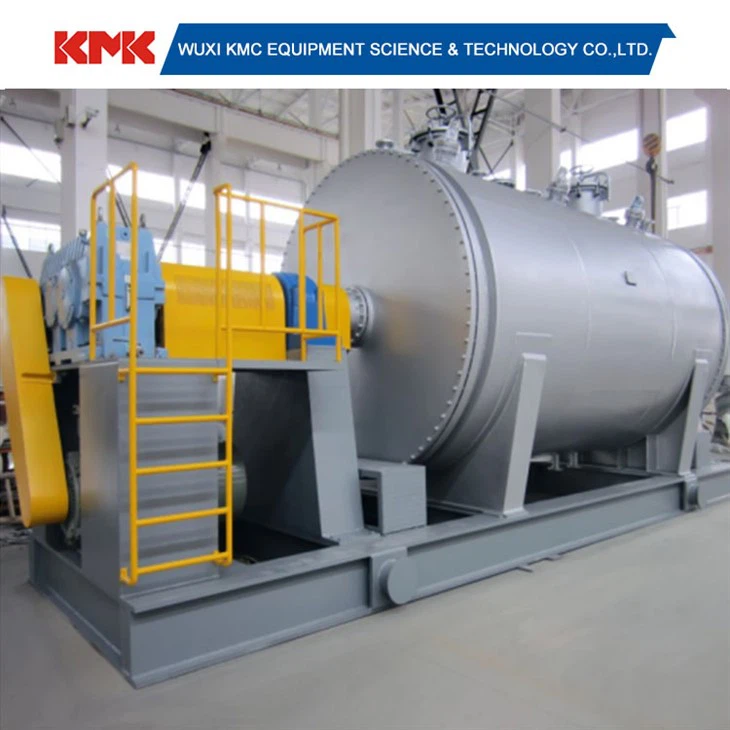
In addition to our standard wiped film dryers, we also offer customized solutions to meet the unique requirements of our customers. Our team of experienced engineers can work with you to design and build a dryer that is tailored to your specific application and process requirements.

If you are interested in learning more about our wiped film drying solutions, please visit our website to explore our product range. We offer a variety of related products, including the ZHG-I Series Vacuum Rake Dryer, Vacuum Rake Dryer, and High Efficiency Vacuum Rake Dryer. These products are designed to provide efficient and reliable drying solutions for a wide range of applications.
Contact Us for Procurement and Consultation
If you are considering purchasing a wiped film dryer or have any questions about our products, we encourage you to contact us. Our sales team is ready to assist you with detailed product information, pricing, and technical support. Whether you are looking to achieve a specific minimum moisture content or need a customized drying solution, we have the expertise and experience to help you find the best equipment for your needs.
References
- Perry, R. H., & Green, D. W. (1997). Perry's Chemical Engineers' Handbook (7th ed.). McGraw-Hill.
- Geankoplis, C. J. (1993). Transport Processes and Unit Operations (3rd ed.). Prentice Hall.
- Mujumdar, A. S. (2007). Handbook of Industrial Drying (3rd ed.). CRC Press.