

What is the cost of a thin film distillation system?
May 08, 2026
Leave a message
What is the Cost of a Thin Film Distillation System?
As a supplier of thin film distillation systems, I often get asked about the cost of these systems. Thin film distillation is a highly efficient separation process used in various industries such as chemical, pharmaceutical, food and beverage, and environmental. Understanding the factors that contribute to the cost of a thin film distillation system is crucial for businesses considering this technology.
Factors Affecting the Cost
1. System Capacity
One of the most significant factors influencing the cost of a thin film distillation system is its capacity. Systems with larger processing capacities generally require more materials, larger components, and more complex engineering. For example, a small - scale thin film distillation system designed for laboratory use, with a capacity of a few liters per hour, will cost significantly less than an industrial - scale system capable of processing hundreds or thousands of liters per hour. The larger the system, the more expensive it is to manufacture, install, and operate.
2. Material of Construction
The choice of materials for the construction of the thin film distillation system also plays a major role in determining its cost. High - quality materials such as stainless steel, titanium, or special alloys are often used to ensure corrosion resistance, durability, and compliance with industry standards. Stainless steel is a common choice for many applications due to its relatively low cost and good corrosion resistance. However, for applications where the process fluid is highly corrosive, more expensive materials like titanium may be required. The cost of these specialty materials can significantly increase the overall price of the system.
3. Design Complexity
The design complexity of the thin film distillation system can have a substantial impact on its cost. A simple, standard design may be less expensive to manufacture compared to a custom - designed system tailored to specific process requirements. Custom designs may involve unique geometries, special features, or integration with other equipment in the production line. For instance, a system that needs to be designed to operate under high - pressure or high - temperature conditions will require more advanced engineering and specialized components, which will drive up the cost.
4. Automation and Control Systems
Modern thin film distillation systems often come with advanced automation and control systems to ensure precise operation, improve efficiency, and reduce human error. These systems can range from basic control panels to fully automated PLC - based systems with remote monitoring capabilities. The more sophisticated the automation and control system, the higher the cost of the overall thin film distillation system. However, the investment in a good automation system can lead to long - term savings in terms of reduced labor costs and improved product quality.
5. Additional Features and Accessories
Additional features and accessories can also add to the cost of the thin film distillation system. Some examples of these include pre - heaters, condensers, pumps, valves, and sampling ports. These components are essential for the proper functioning of the system and may be required depending on the specific application. For example, a system used in the pharmaceutical industry may require high - precision sampling ports for quality control purposes, which will increase the overall cost.
Cost Ranges
It is difficult to provide an exact cost for a thin film distillation system as it varies widely depending on the factors mentioned above. However, we can provide a general cost range.
Small - scale laboratory thin film distillation systems can cost anywhere from a few thousand dollars to tens of thousands of dollars. These systems are typically used for research and development purposes, where the processing capacity is relatively low.

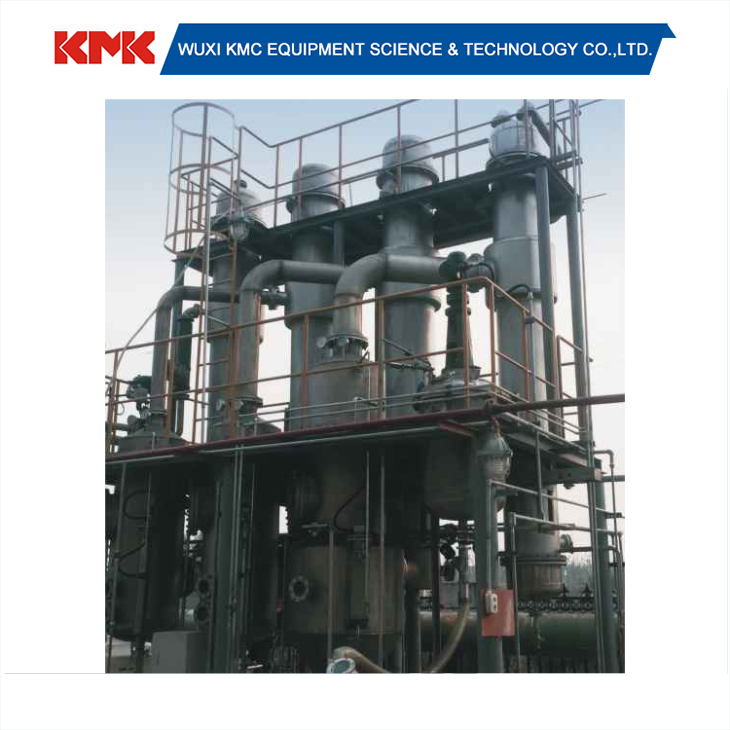
Industrial - scale thin film distillation systems, on the other hand, can range from tens of thousands of dollars to several hundred thousand dollars or more. For large - scale chemical or pharmaceutical production facilities, where high - capacity and high - performance systems are required, the cost can be even higher.
Our Product Range and Cost - Effectiveness
As a thin film distillation system supplier, we offer a wide range of products to meet different customer needs and budgets. Our product portfolio includes Agitated Film Evaporator, Horizontal Thin Film Dryer, and Multi Effect Falling Film Evaporator.
We understand that cost is an important consideration for our customers. That's why we strive to provide cost - effective solutions without compromising on quality. We achieve this through efficient manufacturing processes, strategic sourcing of materials, and continuous product improvement. Our engineering team works closely with customers to understand their specific requirements and design systems that offer the best balance between performance and cost.
Return on Investment
When evaluating the cost of a thin film distillation system, it is important to consider the return on investment (ROI). A well - designed and properly operated thin film distillation system can offer significant benefits in terms of increased productivity, improved product quality, and reduced operating costs. For example, by achieving higher separation efficiencies, the system can reduce the amount of raw materials wasted and increase the yield of valuable products. Additionally, the energy - efficient design of thin film distillation systems can lead to lower energy consumption, resulting in long - term cost savings.
Contact Us for a Quote
If you are interested in learning more about the cost of our thin film distillation systems or would like to discuss your specific requirements, please feel free to contact us. Our sales team is ready to provide you with detailed information and a customized quote based on your needs. We look forward to the opportunity to work with you and help you find the most suitable thin film distillation solution for your business.
References
- Perry, R. H., & Green, D. W. (1997). Perry's Chemical Engineers' Handbook. McGraw - Hill.
- Geankoplis, C. J. (2003). Transport Processes and Unit Operations. Prentice Hall.