

What are the advantages of a thin layer evaporator?
Dec 26, 2025
Leave a message
As a supplier of thin layer evaporators, I've witnessed firsthand the transformative impact these remarkable pieces of equipment can have on various industries. Thin layer evaporators are sophisticated devices designed to separate and concentrate substances through evaporation, offering a multitude of advantages that make them a preferred choice for many applications. In this blog post, I'll delve into the key benefits of thin layer evaporators, highlighting why they are an indispensable asset for businesses seeking efficient and effective separation solutions.
1. High Evaporation Efficiency
One of the most significant advantages of thin layer evaporators is their high evaporation efficiency. Unlike traditional evaporation methods that rely on large volumes of liquid and extended heating times, thin layer evaporators create a thin film of the feed material on a heated surface. This thin film allows for a large surface area to be exposed to the heat source, facilitating rapid and efficient evaporation. As a result, thin layer evaporators can achieve high evaporation rates with relatively low energy consumption, making them a cost - effective option for industrial processes.
The ability to operate at high evaporation rates is particularly beneficial in industries where large volumes of liquid need to be processed quickly. For example, in the food and beverage industry, thin layer evaporators can be used to concentrate fruit juices, dairy products, and other liquid food items. By rapidly removing water from these products, the shelf life can be extended, and the transportation and storage costs can be reduced.
2. Short Residence Time
Thin layer evaporators offer a short residence time for the feed material within the system. The thin film of liquid moves quickly across the heated surface, minimizing the time that the product is exposed to high temperatures. This is crucial for heat - sensitive materials, as prolonged exposure to heat can cause degradation, loss of flavor, color changes, and a reduction in nutritional value.
In the pharmaceutical and biotechnology industries, where many products are heat - sensitive, thin layer evaporators are widely used. They can be employed to concentrate solutions of active pharmaceutical ingredients (APIs), proteins, and other biological compounds without causing significant damage to their structure and activity. This ensures the quality and efficacy of the final products.
3. Precise Temperature Control
Another advantage of thin layer evaporators is the ability to achieve precise temperature control. The thin film design allows for better heat transfer and more uniform temperature distribution across the surface. This means that the evaporation process can be carried out at a specific temperature, which is essential for maintaining the quality of the product.
For instance, in the essential oil extraction industry, different plant materials require specific temperature ranges for optimal extraction of their volatile compounds. Thin layer evaporators can be set to the exact temperature needed to extract the desired essential oils without overheating or degrading the plant material. This results in high - quality essential oils with pure and natural scents.
4. Low Foaming Tendency
Many industrial processes involving evaporation are prone to foaming, which can cause operational problems such as reduced evaporation efficiency, product loss, and equipment fouling. Thin layer evaporators have a low foaming tendency due to the thin film flow of the feed material. The rapid movement of the liquid across the surface prevents the formation of large bubbles and reduces the risk of foam buildup.
In the chemical industry, where foaming can be a major issue during the evaporation of solutions containing surfactants or other foaming agents, thin layer evaporators offer a reliable solution. They can operate smoothly without the need for excessive anti - foaming agents, which not only simplifies the process but also reduces costs.
5. Versatility
Thin layer evaporators are highly versatile and can be used in a wide range of industries and applications. They can handle different types of feed materials, including aqueous solutions, organic solvents, viscous liquids, and suspensions. Whether you are working with food products, chemicals, pharmaceuticals, or environmental samples, a thin layer evaporator can be customized to meet your specific requirements.
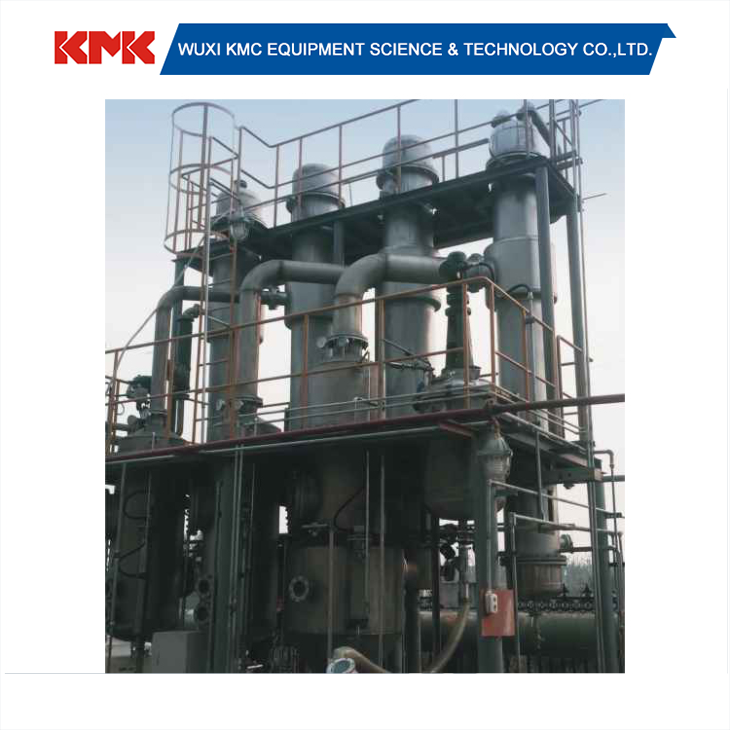
In addition to the standard thin layer evaporators, there are also specialized types available, such as Multi Effect Falling Film Evaporator, Scraped Surface Vacuum Evaporator, and Short Path Evaporator. These specialized evaporators offer additional advantages for specific applications. For example, multi - effect falling film evaporators are energy - efficient and can be used for large - scale evaporation processes, while scraped surface vacuum evaporators are suitable for handling highly viscous and heat - sensitive materials.
6. Compact Design
Thin layer evaporators typically have a compact design, which makes them suitable for installations where space is limited. Their small footprint allows for easy integration into existing production lines or laboratory setups. This is especially beneficial for small and medium - sized enterprises that may not have a large amount of floor space available.
Moreover, the compact design also reduces the amount of material required for construction and the overall weight of the equipment. This can result in lower installation costs and easier transportation.
7. Easy to Clean and Maintain
Maintaining the cleanliness of evaporation equipment is essential to ensure product quality and prevent cross - contamination. Thin layer evaporators are relatively easy to clean due to their simple and open design. The smooth surfaces of the evaporator can be easily accessed and cleaned using standard cleaning agents and procedures.
In addition, the components of thin layer evaporators are often designed for easy disassembly and reassembly. This allows for quick maintenance and replacement of parts, minimizing downtime and ensuring continuous operation of the production process.
8. High Product Purity
Thin layer evaporators can produce high - purity products. The short residence time, precise temperature control, and efficient separation process help to minimize the presence of impurities in the final product. This is particularly important in industries where product purity is a critical requirement, such as the semiconductor and electronics industries.
In semiconductor manufacturing, thin layer evaporators can be used to purify solvents and chemicals used in the production process. By removing impurities and contaminants, the quality and performance of the semiconductor devices can be improved.

9. Customizability
As a supplier, I understand that every customer has unique needs. Thin layer evaporators can be highly customized to meet specific requirements. We can adjust the size, shape, material of construction, and operating parameters of the evaporator according to the nature of the feed material, the desired evaporation rate, and the production capacity.
Whether you need a small - scale laboratory evaporator or a large - scale industrial system, we can design and manufacture a thin layer evaporator that is tailored to your exact specifications. This ensures that you get the most efficient and effective solution for your application.
Conclusion
In conclusion, thin layer evaporators offer a wide range of advantages that make them an excellent choice for various industries. Their high evaporation efficiency, short residence time, precise temperature control, low foaming tendency, versatility, compact design, easy cleaning and maintenance, high product purity, and customizability make them a valuable asset for businesses looking to improve their production processes and product quality.
If you are interested in learning more about thin layer evaporators or are considering purchasing one for your business, I encourage you to contact us. Our team of experts is ready to assist you in selecting the right evaporator for your specific needs and provide you with comprehensive technical support and after - sales service. Let's work together to find the best evaporation solution for your business.
References
- Perry, R. H., & Green, D. W. (Eds.). (1997). Perry's Chemical Engineers' Handbook. McGraw - Hill.
- Geankoplis, C. J. (2003). Transport Processes and Unit Operations. Prentice Hall.
- Walas, S. M. (1988). Chemical Process Equipment: Selection and Design. Butterworth - Heinemann.