

How to troubleshoot thin film dryers when the drying performance drops?
Dec 25, 2025
Leave a message
As a seasoned provider of thin film dryers, I've witnessed firsthand the challenges that operators face when the drying performance of these machines starts to decline. Thin film dryers are crucial in various industries, including chemical, pharmaceutical, and food processing, where efficient and consistent drying is essential for product quality and production efficiency. In this blog, I'll share some practical tips on how to troubleshoot thin film dryers when their drying performance drops.
Understanding the Basics of Thin Film Drying
Before delving into troubleshooting, it's important to have a basic understanding of how thin film dryers work. Thin film drying is a process where a liquid or slurry is spread into a thin film on a heated surface, allowing for rapid evaporation of the solvent or moisture. The thin film maximizes the surface area exposed to the heat, which significantly speeds up the drying process. You can learn more about the principles of Thin Film Drying on our website.
Common Causes of Declining Drying Performance
There are several factors that can contribute to a drop in the drying performance of thin film dryers. Identifying the root cause is the first step in troubleshooting. Here are some of the most common issues:
1. Feed Rate and Consistency
- Excessive Feed Rate: If the feed rate is too high, the thin film may become too thick, reducing the surface area available for evaporation. This can lead to incomplete drying and longer residence times in the dryer.
- Inconsistent Feed: Variations in the feed consistency, such as changes in viscosity or solids content, can also affect the drying performance. For example, a more viscous feed may not spread evenly on the heated surface, resulting in uneven drying.
2. Heating System Issues
- Insufficient Heat Transfer: Poor heat transfer can occur due to a variety of reasons, including fouling of the heating surface, low heat transfer fluid temperature, or a malfunctioning heating system. Fouling can be caused by the deposition of solids or scale on the heating surface, which acts as an insulator and reduces the efficiency of heat transfer.
- Uneven Heating: Uneven heating across the drying surface can lead to inconsistent drying. This can be caused by problems with the heating element, such as a damaged or blocked heat exchanger.
3. Vacuum System Problems
- Leakage: A leak in the vacuum system can reduce the vacuum level inside the dryer, which in turn affects the evaporation rate. Even a small leak can have a significant impact on the drying performance, especially in high - vacuum applications.
- Inadequate Vacuum Generation: If the vacuum pump is not generating enough vacuum, the boiling point of the solvent or moisture may not be lowered sufficiently, resulting in slower evaporation.
4. Mechanical Issues
- Wear and Tear: Over time, the moving parts of the thin film dryer, such as the wiper blades or the agitator, can wear out. Worn blades may not spread the feed evenly, while a malfunctioning agitator may not mix the material properly, leading to uneven drying.
- Misalignment: Misalignment of the components, such as the rotor or the wiper assembly, can also affect the performance of the dryer. This can cause uneven distribution of the feed and reduced contact with the heating surface.
Troubleshooting Steps
Step 1: Check the Feed System
- Adjust the Feed Rate: If the feed rate is too high, reduce it gradually until the drying performance improves. Monitor the product quality and the drying time to determine the optimal feed rate.
- Ensure Feed Consistency: Regularly check the feed consistency and make adjustments as necessary. If possible, use a pre - treatment process to ensure a more uniform feed.
Step 2: Inspect the Heating System
- Clean the Heating Surface: If fouling is suspected, clean the heating surface according to the manufacturer's recommendations. This may involve using chemical cleaners or mechanical methods, such as scraping or brushing.
- Check the Heat Transfer Fluid: Verify the temperature and flow rate of the heat transfer fluid. Make sure the heating system is operating at the correct temperature and that there are no blockages in the heat transfer fluid circuit.
- Test the Heating Element: If uneven heating is detected, test the heating element for any signs of damage or malfunction. Replace any faulty components as needed.
Step 3: Examine the Vacuum System
- Detect and Repair Leaks: Use a vacuum leak detector to identify any leaks in the vacuum system. Seal any leaks using appropriate gaskets or sealants.
- Service the Vacuum Pump: Check the vacuum pump for proper operation. Clean or replace the filters, and ensure that the pump is lubricated and functioning at its optimal capacity.
Step 4: Evaluate the Mechanical Components
- Inspect the Wiper Blades and Agitator: Check the wiper blades for wear and tear. Replace any damaged blades to ensure proper spreading of the feed. Also, examine the agitator for proper operation and alignment.
- Check for Misalignment: Use alignment tools to check the alignment of the rotor and other moving parts. Make any necessary adjustments to ensure smooth operation.
Advanced Troubleshooting and Monitoring
In some cases, more advanced troubleshooting techniques may be required. For example, using sensors and monitoring systems can provide real - time data on the drying process, such as temperature, pressure, and moisture content. This data can help identify trends and potential issues before they cause a significant drop in drying performance.
We also offer High Efficiency Vacuum Rake Dryer and Vacuum Harrow Dryer models, which are designed to provide reliable and efficient drying solutions. These dryers incorporate advanced features and technologies to minimize the risk of performance issues.
Conclusion and Call to Action
Troubleshooting thin film dryers when the drying performance drops requires a systematic approach. By understanding the common causes and following the troubleshooting steps outlined above, operators can quickly identify and resolve issues, ensuring the continued efficient operation of the dryer.

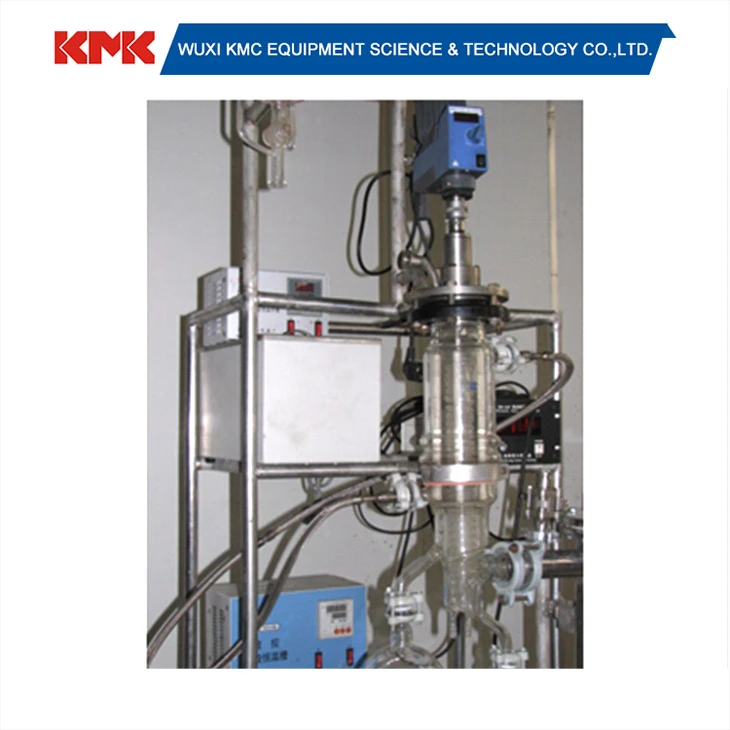
If you're experiencing problems with your thin film dryer or are looking for a reliable and high - performance drying solution, we're here to help. Our team of experts has extensive experience in the design, manufacturing, and maintenance of thin film dryers. Contact us to discuss your specific requirements and explore how our products can meet your needs.
References
- Perry, R. H., & Green, D. W. (1997). Perry's Chemical Engineers' Handbook. McGraw - Hill.
- Mujumdar, A. S. (2014). Handbook of Industrial Drying. CRC Press.