

How to troubleshoot the vacuum system of a thin film dryer?
Mar 31, 2026
Leave a message
Troubleshooting the vacuum system of a thin film dryer is a crucial skill for anyone involved in the operation and maintenance of these machines. As a supplier of thin film dryers, I've encountered various issues related to vacuum systems over the years. In this blog, I'll share some practical steps and insights on how to troubleshoot the vacuum system of a thin film dryer.
Understanding the Vacuum System in a Thin Film Dryer
Before we dive into troubleshooting, it's essential to understand the role of the vacuum system in a thin film dryer. The vacuum system is responsible for creating a low-pressure environment inside the dryer. This low-pressure environment reduces the boiling point of the solvent in the material being dried, allowing for efficient evaporation at lower temperatures. This is particularly important for heat-sensitive materials.
The vacuum system typically consists of a vacuum pump, valves, piping, and seals. Any malfunction in these components can lead to a loss of vacuum, which can affect the drying process and the quality of the final product.
Common Vacuum System Problems and Solutions
1. Loss of Vacuum
One of the most common problems in a vacuum system is a loss of vacuum. This can be caused by several factors, including leaks in the system, a malfunctioning vacuum pump, or blockages in the piping.
- Leak Detection: To check for leaks, you can use a soap solution. Apply the solution to all the joints, valves, and seals in the vacuum system. If there are any leaks, you'll see bubbles forming. Once you've identified the leak, you can repair it by tightening the joints or replacing the seals.
- Vacuum Pump Inspection: A malfunctioning vacuum pump can also cause a loss of vacuum. Check the pump for any signs of damage, such as worn-out belts, damaged impellers, or low oil levels. If the pump is not working properly, it may need to be repaired or replaced.
- Piping Blockages: Blockages in the piping can restrict the flow of air and reduce the vacuum level. Inspect the piping for any debris or blockages. You can use a vacuum cleaner or a compressed air gun to clear the blockages.
2. Low Vacuum Level
If the vacuum level is lower than expected, it could be due to a variety of reasons.
- Pump Capacity: The vacuum pump may not have enough capacity to maintain the required vacuum level. Check the pump's specifications and ensure that it is suitable for the size and requirements of the thin film dryer. If necessary, consider upgrading the pump.
- System Resistance: High system resistance can also cause a low vacuum level. Check the piping for any restrictions or bends that may be increasing the resistance. You can try to straighten the piping or reduce the number of bends to improve the flow of air.
- Outgassing: Outgassing from the material being dried can also affect the vacuum level. Some materials may release gases during the drying process, which can reduce the vacuum. To minimize outgassing, you can pre-dry the material or use a different drying method.
3. Excessive Noise or Vibration
Excessive noise or vibration in the vacuum system can indicate a problem with the pump or other components.
- Pump Alignment: Misalignment of the vacuum pump can cause excessive noise and vibration. Check the pump's alignment and make sure it is properly installed. You may need to adjust the pump's position or use vibration isolators to reduce the noise and vibration.
- Worn-out Components: Worn-out components, such as bearings or impellers, can also cause noise and vibration. Inspect the pump for any signs of wear and replace the damaged components.
- Loose Parts: Loose parts in the vacuum system can also cause noise and vibration. Check all the joints and connections in the system and tighten any loose parts.
Preventive Maintenance
Preventive maintenance is key to ensuring the reliable operation of the vacuum system in a thin film dryer. Here are some preventive maintenance tips:
- Regular Inspections: Conduct regular inspections of the vacuum system to check for any signs of wear, damage, or leaks. This can help you identify and address potential problems before they become serious.
- Cleaning: Keep the vacuum system clean to prevent blockages and ensure proper operation. Clean the piping, valves, and filters regularly to remove any debris or contaminants.
- Lubrication: Lubricate the moving parts of the vacuum pump regularly to reduce friction and wear. Follow the manufacturer's recommendations for lubrication.
- Training: Provide proper training to the operators and maintenance personnel on the operation and maintenance of the vacuum system. This can help them identify and troubleshoot problems quickly and effectively.
Conclusion
Troubleshooting the vacuum system of a thin film dryer requires a systematic approach and a good understanding of the system's components and operation. By following the steps outlined in this blog, you can identify and resolve common vacuum system problems and ensure the reliable operation of your thin film dryer.
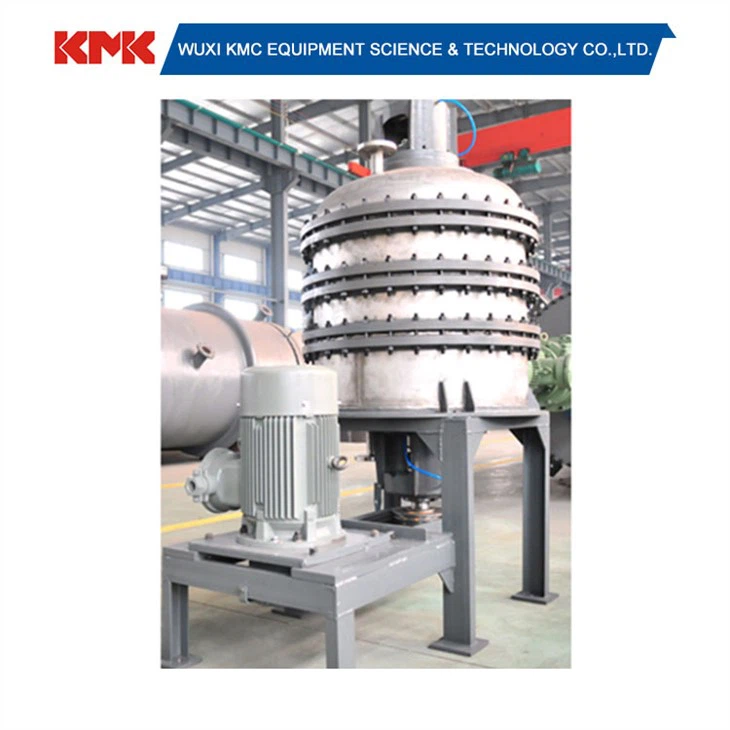

If you're in the market for a thin film dryer, we offer a range of Agitated Thin Film Dryers, Vacuum Rake Dryer, and Agitated Thin Film Dryer to meet your specific needs. Our dryers are designed for high efficiency and reliability, and our team of experts can provide you with the support and guidance you need to ensure the successful operation of your equipment.
If you have any questions or would like to discuss your requirements further, please feel free to contact us for a detailed consultation. We look forward to working with you to find the best solution for your drying needs.
References
- "Thin Film Drying Technology" - A technical handbook on thin film drying processes and equipment.
- Manufacturer's manuals for thin film dryers and vacuum pumps.