

How to select the appropriate diameter of the thin film dryer?
Jun 26, 2025
Leave a message
Selecting the appropriate diameter of a thin film dryer is crucial for achieving efficient and effective drying processes. As a thin film drying supplier, I've seen firsthand how the right diameter can make or break a project. In this blog, I'll share some tips on how to choose the perfect diameter for your thin film dryer.
Understanding the Basics of Thin Film Dryers
Before we dive into diameter selection, let's quickly go over what thin film dryers are and how they work. A thin film dryer is a type of dryer that uses a rotating drum or disc to create a thin film of the material to be dried. This thin film maximizes the surface area of the material, allowing for faster and more efficient drying.
Thin film dryers are commonly used in various industries, including chemical, pharmaceutical, food, and wastewater treatment. They are ideal for drying heat-sensitive materials, as the short residence time and low operating temperature minimize the risk of thermal degradation.
Factors to Consider When Selecting the Diameter
Now that we have a basic understanding of thin film dryers, let's look at the factors you need to consider when selecting the appropriate diameter.
1. Throughput Requirements
The first factor to consider is your throughput requirements. How much material do you need to dry per hour or per day? The diameter of the thin film dryer will directly affect its throughput capacity. Generally, a larger diameter dryer can handle a higher throughput.
To determine your throughput requirements, you need to consider the volume and density of the material you're drying. You also need to factor in the desired moisture content of the final product. Once you have this information, you can consult with a thin film drying supplier to determine the appropriate diameter for your needs.
2. Material Properties
The properties of the material you're drying also play a significant role in diameter selection. Different materials have different viscosities, particle sizes, and thermal conductivities, which can affect the drying process.
For example, if you're drying a highly viscous material, you may need a larger diameter dryer to ensure proper film formation and uniform drying. On the other hand, if you're drying a fine powder, a smaller diameter dryer may be sufficient.
It's also important to consider the thermal sensitivity of the material. Heat-sensitive materials require a shorter residence time and lower operating temperature, which may influence the diameter selection.
3. Drying Efficiency
Another important factor to consider is drying efficiency. The diameter of the thin film dryer can affect the drying time and energy consumption. A larger diameter dryer may have a longer residence time, which can lead to more efficient drying. However, it also requires more energy to operate.
On the other hand, a smaller diameter dryer may have a shorter residence time, but it may not be as efficient in terms of drying. You need to find the right balance between drying efficiency and energy consumption based on your specific requirements.
4. Available Space
The available space in your facility is also a practical consideration when selecting the diameter of the thin film dryer. You need to ensure that the dryer will fit into the designated area and that there is enough space for maintenance and operation.
If you have limited space, you may need to consider a smaller diameter dryer or a vertical thin film dryer, which takes up less floor space. You can check out our Vertical Thin Film Dryer for more information.
Comparing Different Diameters
To give you a better idea of how the diameter affects the performance of a thin film dryer, let's compare the characteristics of different diameters.
Small Diameter Dryers (e.g., < 1 meter)
- Advantages:
- Lower capital cost
- Lower energy consumption
- Suitable for small-scale production or laboratory applications
- Disadvantages:
- Lower throughput capacity
- Limited film thickness control
- May require more frequent cleaning and maintenance
Medium Diameter Dryers (e.g., 1 - 2 meters)
- Advantages:
- Good balance between throughput and energy efficiency
- Suitable for medium-scale production
- More flexibility in terms of film thickness control
- Disadvantages:
- Higher capital cost compared to small diameter dryers
- May require more floor space
Large Diameter Dryers (e.g., > 2 meters)
- Advantages:
- High throughput capacity
- Excellent drying efficiency
- Suitable for large-scale production
- Disadvantages:
- High capital cost
- High energy consumption
- Requires significant floor space and infrastructure
Our Product Recommendations
As a thin film drying supplier, we offer a range of thin film dryers with different diameters to meet your specific needs. Here are some of our recommended products:

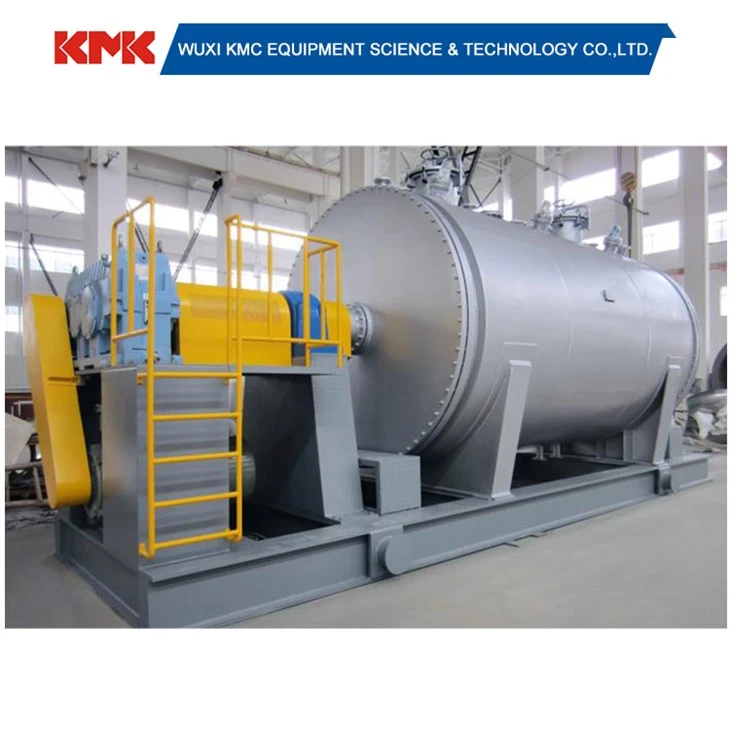
- ZHG-I Series Vacuum Rake Dryer: This series of dryers is available in various diameters and is suitable for drying a wide range of materials, including heat-sensitive and viscous materials.
- ZHG-II Series Vacuum Rake Dryer: Similar to the ZHG-I series, the ZHG-II series offers high drying efficiency and flexibility. It is ideal for large-scale production.
- Vertical Thin Film Dryer: If you have limited floor space, our vertical thin film dryer is a great option. It offers high throughput capacity and efficient drying in a compact design.
Conclusion
Selecting the appropriate diameter of a thin film dryer is a critical decision that can impact the efficiency and effectiveness of your drying process. By considering factors such as throughput requirements, material properties, drying efficiency, and available space, you can make an informed decision.
If you're still unsure about which diameter is right for you, don't hesitate to contact us. Our team of experts can help you analyze your needs and recommend the best thin film dryer for your application. We're here to support you every step of the way, from selection to installation and maintenance. Let's work together to achieve the best drying results for your business.
References
- Perry, R. H., & Green, D. W. (1997). Perry's Chemical Engineers' Handbook (7th ed.). McGraw-Hill.
- Mujumdar, A. S. (2007). Handbook of Industrial Drying (3rd ed.). CRC Press.