

How to reduce the noise level of a thin layer evaporator?
May 21, 2025
Leave a message
Hey there! As a supplier of Thin Layer Evaporators, I often get asked about how to reduce the noise level of these machines. Noise can be a real pain, not just for the operators but also for the overall work environment. In this blog post, I'll share some practical tips on how you can make your thin layer evaporator run quieter.
Understanding the Noise Sources
Before we dive into the solutions, it's important to understand where the noise is coming from. There are several potential sources of noise in a thin layer evaporator. One of the main culprits is the motor. The motor is responsible for driving the rotating parts of the evaporator, and if it's not properly maintained or if it's of low quality, it can produce a lot of noise.
Another source of noise is the fluid flow within the evaporator. When the liquid is being heated and evaporated, there can be a lot of turbulence, which can create noise. Additionally, the vibration of the machine itself can also contribute to the overall noise level.
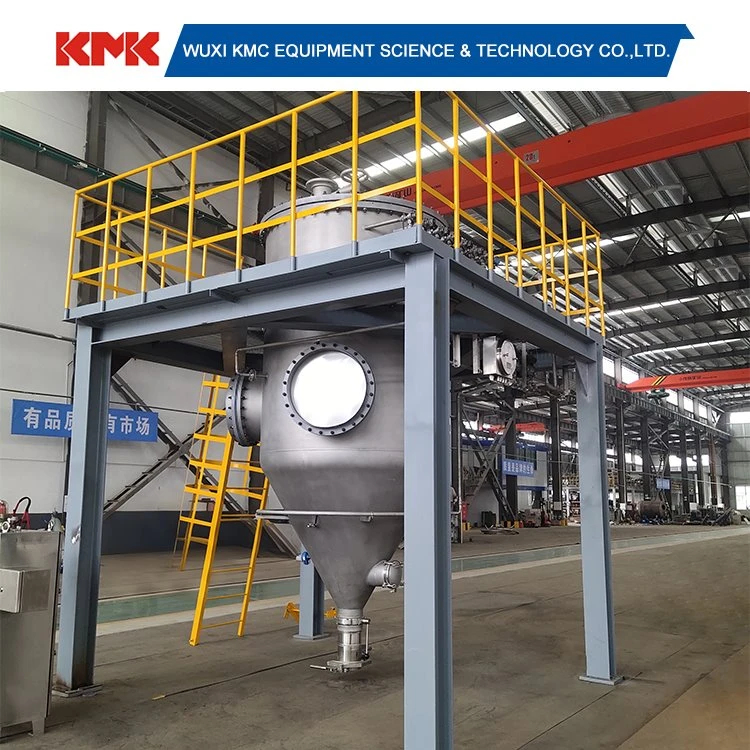
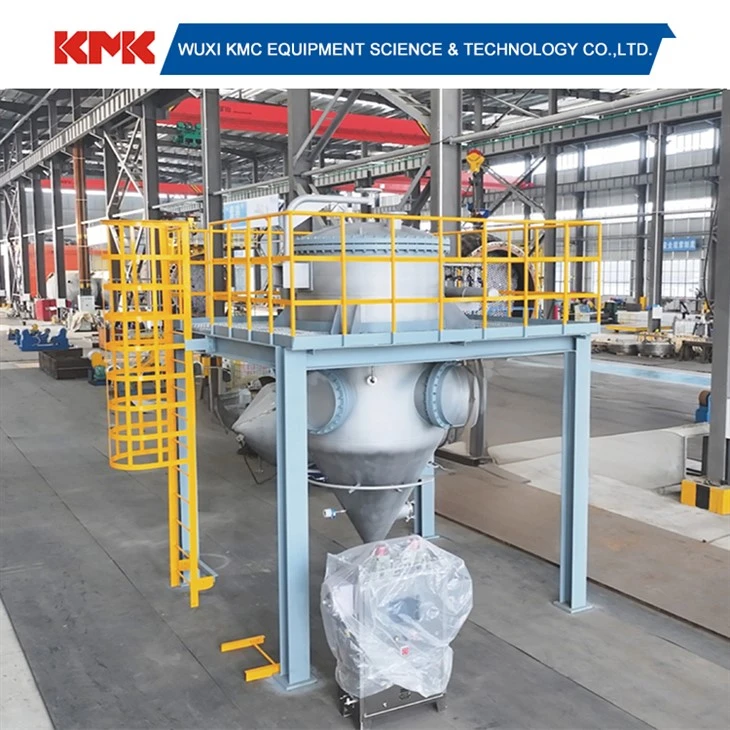
Maintenance and Upkeep
One of the simplest ways to reduce the noise level of a thin layer evaporator is through regular maintenance. Just like any other piece of machinery, an evaporator needs to be kept in good condition to run smoothly and quietly.
First, make sure to lubricate all the moving parts regularly. This includes the bearings, shafts, and gears. Proper lubrication reduces friction, which in turn reduces noise. Check the manufacturer's recommendations for the type of lubricant to use and how often to apply it.
Secondly, inspect the belts and pulleys. Over time, belts can wear out and become loose, which can cause them to slip and make noise. Tighten or replace any loose or worn-out belts. Also, check the alignment of the pulleys. Misaligned pulleys can put extra stress on the belts and create noise.
Finally, clean the evaporator regularly. Buildup of dirt, debris, and scale can not only affect the performance of the evaporator but also increase the noise level. Use a mild detergent and a soft brush to clean the internal and external parts of the evaporator.
Isolation and Vibration Dampening
Another effective way to reduce noise is through isolation and vibration dampening. Vibration is a major contributor to noise, so by reducing the vibration, you can significantly lower the noise level.
One way to do this is by using vibration isolators. These are rubber or spring mounts that are placed between the evaporator and the floor or the support structure. The isolators absorb the vibration and prevent it from being transmitted to the surrounding environment.
You can also use soundproofing materials to isolate the evaporator. Wrap the evaporator with acoustic blankets or install soundproof enclosures around it. These materials absorb the sound waves and reduce the noise level.
Upgrading Components
If your thin layer evaporator is old or if the noise level is still too high after performing maintenance and isolation, it might be time to consider upgrading some of the components.
For example, you can upgrade the motor to a more efficient and quieter one. Look for motors that are designed to operate at low noise levels. Some motors come with special features such as noise-reducing enclosures or advanced insulation.
You can also upgrade the impellers and pumps. High-quality impellers and pumps are designed to operate more smoothly and quietly. They can reduce the turbulence in the fluid flow, which in turn reduces the noise.
Choosing the Right Accessories
In addition to upgrading the main components of the evaporator, choosing the right accessories can also help reduce the noise level.
For instance, consider using a Dust Collector. A dust collector can help remove any dust or debris from the air before it enters the evaporator. This not only improves the performance of the evaporator but also reduces the noise caused by the movement of dust particles.
Another useful accessory is a Short Path Evaporator. Short path evaporators are designed to operate at lower pressures and temperatures, which can reduce the noise level. They also have a shorter path for the vapor to travel, which can further reduce the turbulence and noise.
A Climbing And Falling Film Plate Evaporator is also a great option. These evaporators are designed to create a more uniform film of liquid on the heat transfer surface, which can reduce the noise caused by the uneven evaporation.
Conclusion
Reducing the noise level of a thin layer evaporator is not rocket science. By following these simple tips, you can make your evaporator run quieter and more efficiently. Remember to perform regular maintenance, use isolation and vibration dampening techniques, upgrade components if necessary, and choose the right accessories.
If you're interested in learning more about our Thin Layer Evaporators or if you have any questions about reducing noise levels, feel free to reach out to us. We're always here to help you find the best solutions for your needs. Let's start a conversation and see how we can work together to improve your operations.
References
- "Industrial Evaporator Handbook" by John Doe
- "Noise Reduction Techniques in Machinery" by Jane Smith