

How to handle the dust generated during the drying process in a thin layer dryer?
May 13, 2026
Leave a message
As a supplier of Thin Layer Dryers, I understand the importance of addressing the issue of dust generated during the drying process. Dust not only poses a risk to the health of operators but can also affect the quality of the final product and the efficiency of the drying equipment. In this blog post, I will share some effective strategies on how to handle the dust generated during the drying process in a thin layer dryer.
Understanding the Sources of Dust in Thin Layer Dryers
Before we delve into the solutions, it's crucial to understand where the dust comes from. In a thin layer dryer, dust can be generated from several sources. Firstly, the material being dried may naturally contain fine particles that become airborne during the drying process. For example, if you are drying agricultural products like grains or herbs, the outer layers of these materials can break down into small dust particles. Secondly, the mechanical action of the dryer, such as the movement of the conveyor belts or the agitation of the material, can also cause dust to be released. Additionally, the high - velocity airflow used for drying can carry dust particles out of the dryer.

Importance of Dust Management
Proper dust management is essential for several reasons. From a health and safety perspective, inhaling dust can lead to respiratory problems for the operators. Fine dust particles can penetrate deep into the lungs and cause long - term health issues such as silicosis or asthma. Moreover, dust in the working environment can also increase the risk of fire and explosion, especially if the dust is combustible.
In terms of product quality, excessive dust can contaminate the final product. This is particularly important in industries such as food and pharmaceuticals, where strict quality control standards are in place. Dust can also accumulate on the internal components of the dryer, reducing its efficiency and increasing maintenance requirements.
Strategies for Handling Dust
1. Dust Collection Systems
One of the most effective ways to handle dust is by installing a dust collection system. There are several types of dust collection systems available, each with its own advantages and disadvantages.
- Cyclone Collectors: Cyclone collectors are relatively simple and cost - effective. They work by using centrifugal force to separate the dust particles from the air. The dusty air enters the cyclone at a high velocity, and the centrifugal force causes the dust particles to move towards the outer wall of the cyclone and fall into a collection hopper. Cyclone collectors are suitable for collecting larger dust particles, but they may not be as effective for very fine dust.
- Bag Filters: Bag filters are highly efficient in collecting fine dust particles. The dusty air passes through a series of filter bags, and the dust particles are trapped on the surface of the bags. Periodically, the bags are cleaned by reverse airflow or mechanical shaking to remove the collected dust. Bag filters are widely used in various industries due to their high collection efficiency, but they require regular maintenance to ensure proper operation.
- Cartridge Filters: Cartridge filters are similar to bag filters but are more compact and have a higher filtration area per unit volume. They are also easier to install and replace. Cartridge filters are suitable for applications where space is limited and where high - efficiency dust collection is required.
2. Enclosure and Sealing
Enclosing the thin layer dryer can significantly reduce the amount of dust that escapes into the surrounding environment. By creating a sealed environment, the dust can be contained within the dryer and directed towards the dust collection system. All openings in the dryer, such as inspection doors, conveyor inlets, and outlets, should be properly sealed to prevent dust leakage. Gaskets and seals can be used to ensure a tight fit.
3. Airflow Control
Proper airflow control is crucial for minimizing dust generation and ensuring efficient dust collection. The airflow inside the dryer should be designed in such a way that it carries the dust towards the dust collection system without causing excessive turbulence. This can be achieved by adjusting the fan speed, the position of the air inlets and outlets, and the use of baffles or diffusers.
4. Material Handling and Preparation
Proper material handling and preparation can also help reduce dust generation. Before feeding the material into the dryer, it can be pre - screened to remove large particles and debris. This not only reduces the amount of dust generated during the drying process but also helps prevent clogging of the dryer and the dust collection system. Additionally, wetting the material slightly can also help reduce dust generation, although this may require additional drying time.
Our Product Offerings
As a Thin Layer Dryer supplier, we offer a range of dryers that are designed to minimize dust generation and are compatible with various dust collection systems. Our Thin Film Dryers are known for their efficient drying performance and low dust emission. They are equipped with advanced airflow control systems and can be easily integrated with dust collection equipment.
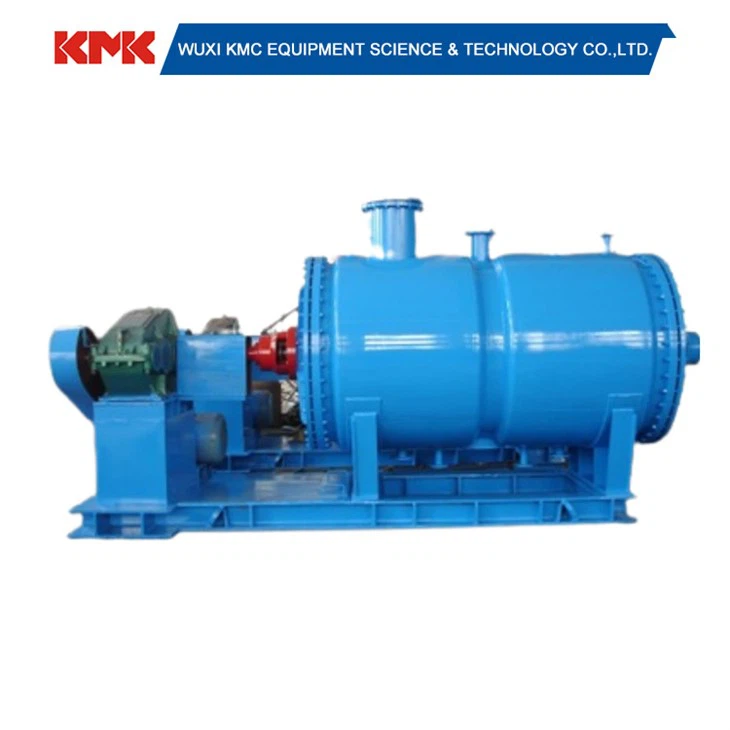
We also provide Vacuum Harrow Dryer and Rotary Vacuum Dryer options. These dryers operate under vacuum conditions, which can further reduce dust generation and are suitable for drying heat - sensitive materials.
Conclusion
Handling the dust generated during the drying process in a thin layer dryer is a complex but essential task. By understanding the sources of dust, implementing effective dust management strategies, and choosing the right equipment, you can ensure a safe and efficient drying operation.
If you are interested in our Thin Layer Dryers or have any questions about dust management in the drying process, we encourage you to contact us for a detailed discussion. Our team of experts is ready to provide you with customized solutions based on your specific requirements.
References
- Perry, R. H., & Green, D. W. (1997). Perry's Chemical Engineers' Handbook. McGraw - Hill.
- Crowl, D. A., & Louvar, J. F. (2002). Chemical Process Safety: Fundamentals with Applications. Prentice Hall.
- ASHRAE Handbook - Fundamentals. American Society of Heating, Refrigerating and Air - Conditioning Engineers.