

How often should a Wiped Film Dryer be cleaned?
Jan 12, 2026
Leave a message
Hey there! As a supplier of Wiped Film Dryers, I often get asked about how often these machines should be cleaned. It's a crucial question because proper cleaning not only ensures the longevity of the dryer but also maintains the quality of the products processed through it.
First off, let's understand what a Wiped Film Dryer does. It's a piece of equipment that's used to separate volatile components from non - volatile ones in a liquid mixture. It works by spreading the liquid into a thin film on a heated surface, and then the volatile components evaporate, leaving behind the non - volatile residue.

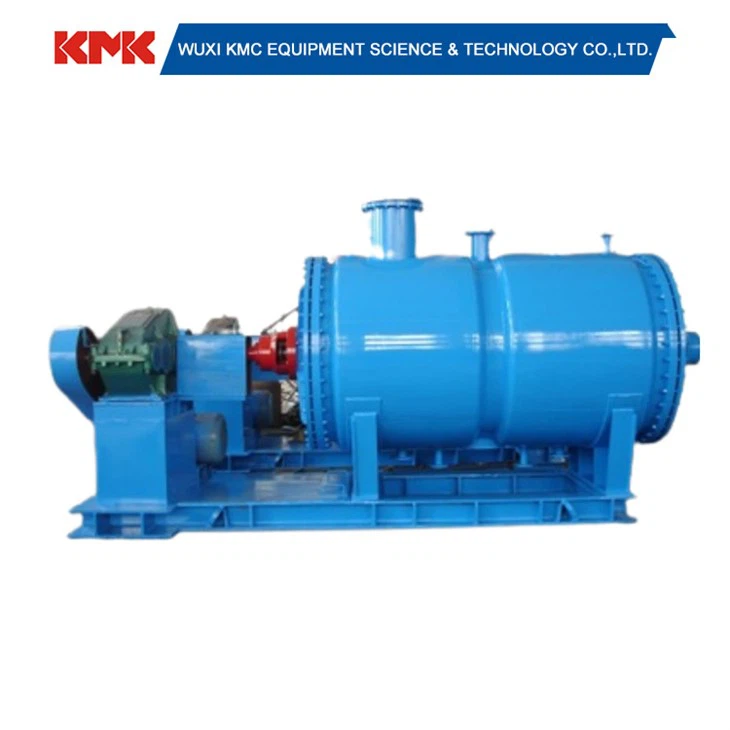
Now, the frequency of cleaning a Wiped Film Dryer depends on several factors. One of the most important factors is the type of material being processed. If you're dealing with sticky or viscous substances, they're more likely to adhere to the internal surfaces of the dryer. For example, substances like heavy oils, polymers, or some types of food concentrates can leave a stubborn residue. In this case, you might need to clean the dryer after every batch or a few batches.
On the other hand, if you're processing relatively clean and non - sticky materials such as some solvents or light aqueous solutions, the cleaning interval can be longer. You could probably get away with cleaning the dryer once a week or even once a month, depending on how often you use it.
Another factor is the operating conditions. High - temperature operations can cause some materials to break down and form deposits more quickly. If your Wiped Film Dryer is running at elevated temperatures for long periods, the chances of build - up are higher. Similarly, if the dryer is operating under high pressure or vacuum for extended times, it can also affect the rate of residue accumulation.
Let's talk about the consequences of not cleaning the dryer regularly. When residue builds up on the internal surfaces, it can insulate the heating elements. This means that the dryer won't be as efficient at transferring heat to the liquid film. As a result, the evaporation process slows down, and you might not get the desired separation of components. Moreover, the build - up can also cause blockages in the flow paths, leading to uneven distribution of the liquid and potentially damaging the internal parts of the dryer.
Now, how do you determine the ideal cleaning schedule for your specific situation? I'd recommend starting with a trial period. Keep a log of the materials processed, the operating conditions, and the performance of the dryer. Notice any changes in the drying efficiency, product quality, or any signs of blockages. Based on this data, you can start to figure out how often the dryer needs cleaning.
For instance, if you notice that after three batches of a particular polymer, the drying time starts to increase significantly, it's a sign that you should clean the dryer after every three batches. You can also consult with our technical support team. We've got a wealth of experience dealing with different types of materials and operating conditions, and we can offer some valuable insights.
There are also some other types of dryers that you might be interested in, such as the Agitated Thin Film Dryer, Rotary Vacuum Dryer, and Agitated Drying Machine. Each of these has its own cleaning requirements, but the general principles of considering the material and operating conditions still apply.
When it comes to cleaning the Wiped Film Dryer, there are a few steps involved. First, you need to shut down the dryer and let it cool down completely. Then, you should drain any remaining liquid from the system. Next, you can use appropriate cleaning agents to remove the residue. For some light residues, water might be enough, but for more stubborn deposits, you might need to use solvents or specialized cleaning solutions. Make sure to follow the safety guidelines when using these chemicals.
After cleaning, you should rinse the dryer thoroughly to remove any traces of the cleaning agents. Then, dry the internal parts to prevent corrosion. It's also a good idea to inspect the dryer for any signs of wear or damage during the cleaning process.
In conclusion, there's no one - size - fits - all answer to how often a Wiped Film Dryer should be cleaned. It depends on the type of material, operating conditions, and your own observations of the dryer's performance. By paying attention to these factors and following a proper cleaning routine, you can keep your dryer running smoothly and efficiently.
If you're in the market for a Wiped Film Dryer or have any questions about its maintenance, don't hesitate to reach out. We're here to help you make the most of your equipment and ensure that you get the best results for your processes.
References:
- Industry knowledge and experience from years of supplying Wiped Film Dryers.
- Technical manuals and guidelines provided by equipment manufacturers.