

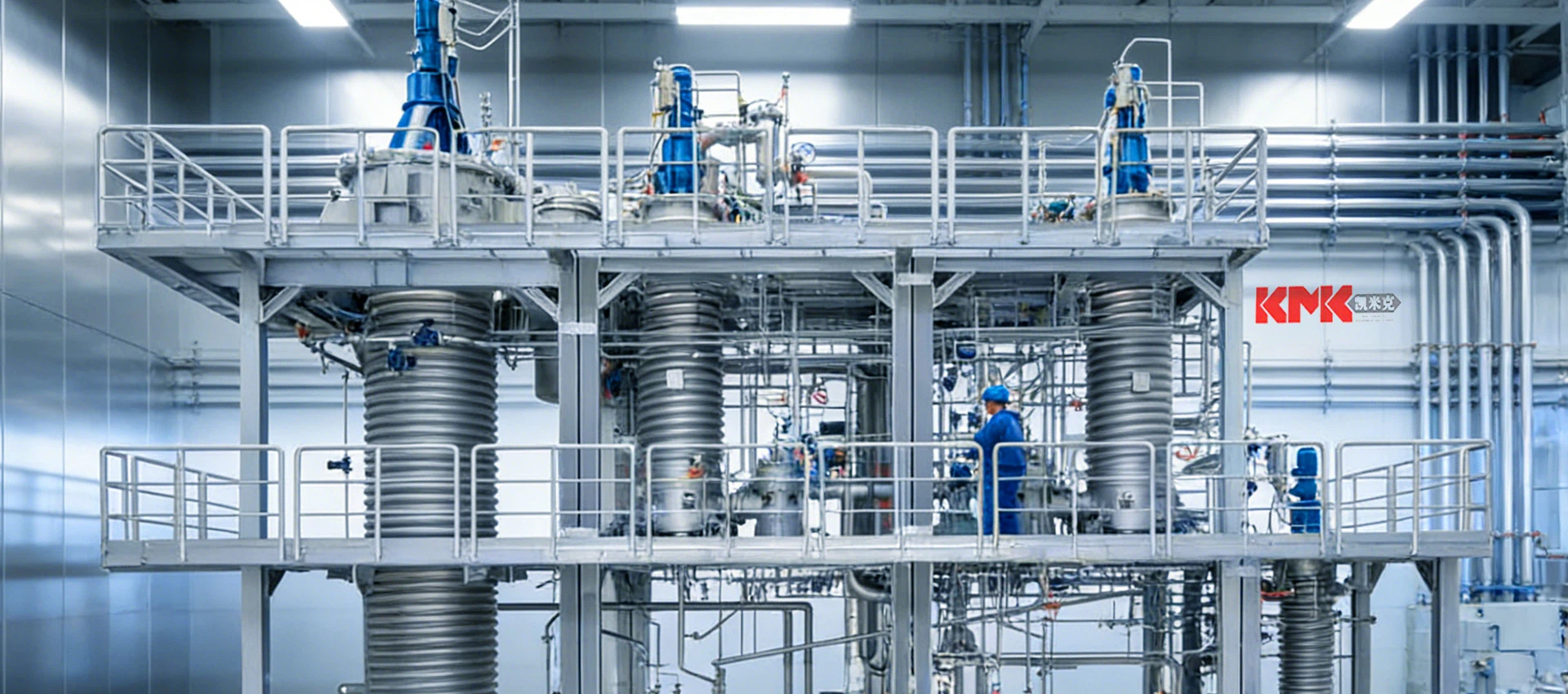

Wastewater Ozone And Fenton Oxidation Pilot Plant
Description
Technical Parameters
The Wastewater Ozone and Fenton Oxidation Pilot Plant is a miniaturized, tunable experimental device that integrates ozone and Fenton oxidation technologies. The core function of the Pilot-Scale Fenton-like System for Wastewater Treatment is to simulate the advanced oxidation treatment process for industrial wastewater at a laboratory or pilot scale. By precisely controlling key parameters such as ozone dosage, Fenton reagent ratio, reaction pH, and temperature, it utilizes strong oxidizing free radicals to degrade recalcitrant organic matter in the wastewater, reducing COD, color, and toxicity. This provides a process basis for subsequent biological treatment or achieving standard discharge, while also verifying the feasibility and optimization parameters of large-scale industrial treatment...
Working Principle
Fenton oxidation:
Under acidic conditions, Fe²⁺ catalyzes H₂O₂ to generate hydroxyl radicals, which decompose organic matter through a chain reaction, ultimately mineralizing into CO₂ and H₂O. After the reaction, the pH must be adjusted to neutral to precipitate iron sludge.
Ozone oxidation: Ozone directly oxidizes or catalyzes the generation of hydroxyl radicals. This method is suitable for high-concentration, difficult-to-degrade wastewaters, and is particularly effective for printing and dyeing and coking wastewater.

Advantages and Features
- Strong Oxidation Power and Wide Range: The Water Treatment Pilot Plant generates high-potential OH, degrading high-concentration and highly toxic wastewater that is difficult to treat with traditional biological methods and lacks significant selectivity.
- Flexible and Adjustable Parameters: The Ozonation Pilot Plant is equipped with a precise dosing and monitoring system, allowing for adjustable ozone concentration, Fenton ratio, and other parameters to adapt to varying water qualities.
- Small Footprint and Low Cost: The plant's compact size allows for easy deployment, minimizes consumables, and allows for proactive process risk avoidance, reducing industrial investment risk.
- High Efficiency and Low Pollution: The plant reacts quickly, degrading organic matter in a matter of hours; its products are harmless, and with proper control, there is no secondary pollution.
- Accurate Data Supports Implementation: Oxidation processes for water and wastewater treatment monitor key indicators in real time, generating accurate data that informs industrial plant design and shortens cycle times.

Application Areas
- Chemical Industry Wastewater: Treats chemical wastewater containing phenols and benzene series, degrades refractory organic matter, reduces COD and toxicity, and serves as a pretreatment for biological treatment.
- Dyeing and Textile Wastewater: Degrades dye molecules, achieving a decolorization rate of 80%-99%, while simultaneously reducing COD, solving the challenges of traditional decolorization.
- Pharmaceutical Industry Wastewater: Fenton and Ozone Oxidation for Pretreatment of Petrochemical Wastewater: Treats high-concentration organic wastewater, degrades drug residues, reduces toxicity, and meets the influent requirements of biological treatment.
- Food and Pesticide Wastewater: Treats high-COD food wastewater and pesticide residue wastewater, degrading pollutants and reducing water hazards.
- Emergency and Water Quality Improvement: Emergency treatment of organic matter leaks or advanced treatment of industrial park tailwater to ensure compliance with discharge standards.

why choose us
1.More than 20 years of industry experience: Focusing on the research and development of evaporation/crystallization equipment, the technical team has more than 50 patents.
2. Leading energy-saving technology: MVR system energy consumption is 60% lower than that of traditional evaporators.
3. Global project verification: Equipment exported to more than 30 countries, adapting to extreme working conditions such as high temperatures in the Middle East/severe cold in Northern Europe.
4. Military-grade materials: titanium/Hastelloy key components, life is increased by 3 times.
5. Full-cycle service: escort from small-scale experiments to 10,000-ton projects.
6. Quick response: 24-hour technical support, priority production for emergency orders.
7. Cost advantage: large-scale production, prices are 15%-20% lower than peers.


Hot Tags: wastewater ozone and fenton oxidation pilot plant, China wastewater ozone and fenton oxidation pilot plant manufacturers, suppliers, factory, stainless steel reaction reactor equipment, Outer Coil Type Reactor, Rotary evaporator, ASME U stainless steel reaction reactor system, Stainless Steel Reaction reactor, Micro Reaction Vessel
Send Inquiry


