

Terminology explanation of high pressure reactor
Sep 28, 2023
Leave a message
As the name suggests, a high-pressure reactor is a high-temperature and high-pressure-resistant container for physical or chemical reactions. It is widely used in various catalytic reactions, high-temperature and high-pressure synthesis, hydrogenation reactions, gas-liquid two-phase, liquid-liquid two-phase, and exothermic reactions. , supercritical reaction, catalyst evaluation, etc.
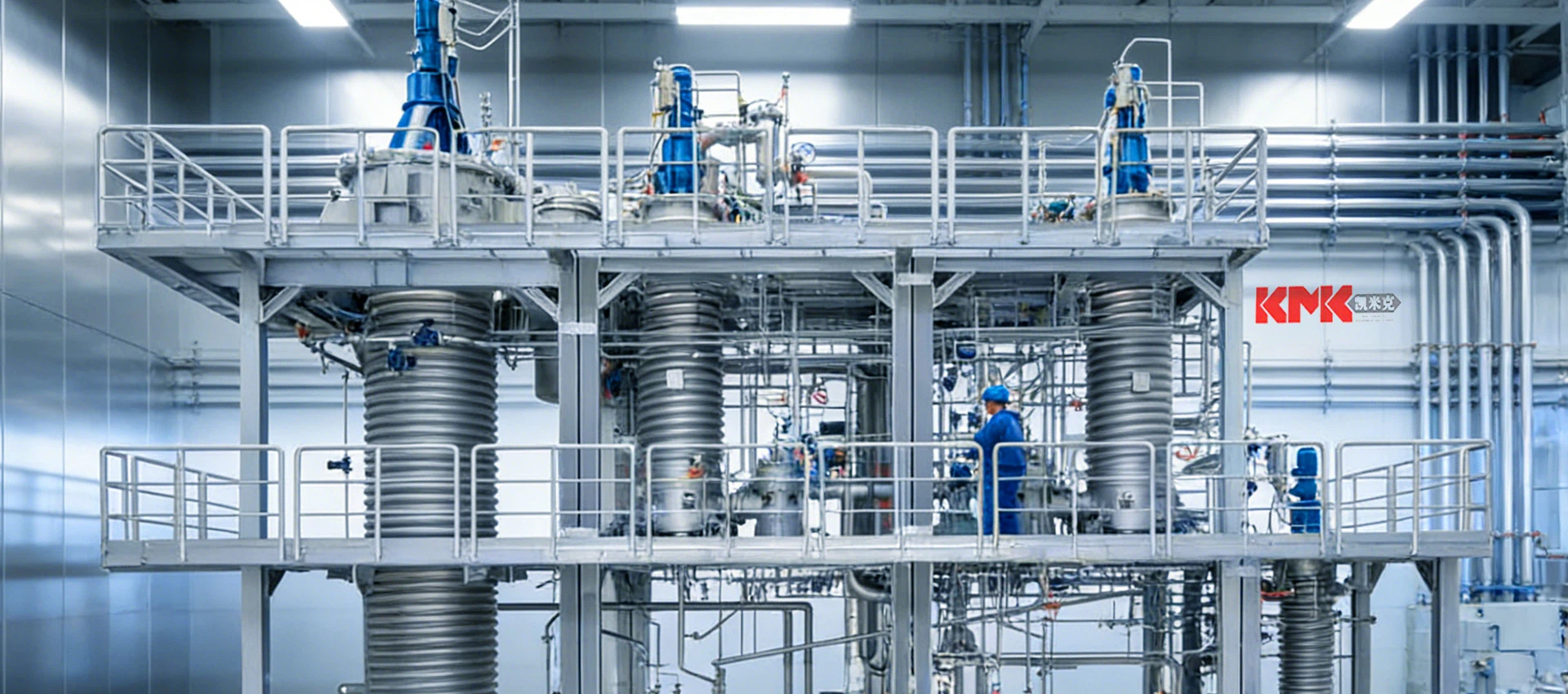
The high-pressure reactor is composed of a pot body, a pot lid, a stirrer, a jacket, a support and transmission device, a shaft seal device, etc. The material and openings can be customized according to the user's process requirements.
Heating forms include electric heating, oil heating, gas heating, water heating (or cooling), open flame heating, etc.
The jacket types are divided into: jacket type and outer half-pipe type. The jacket oil heating type is equipped with a flow diversion device.