

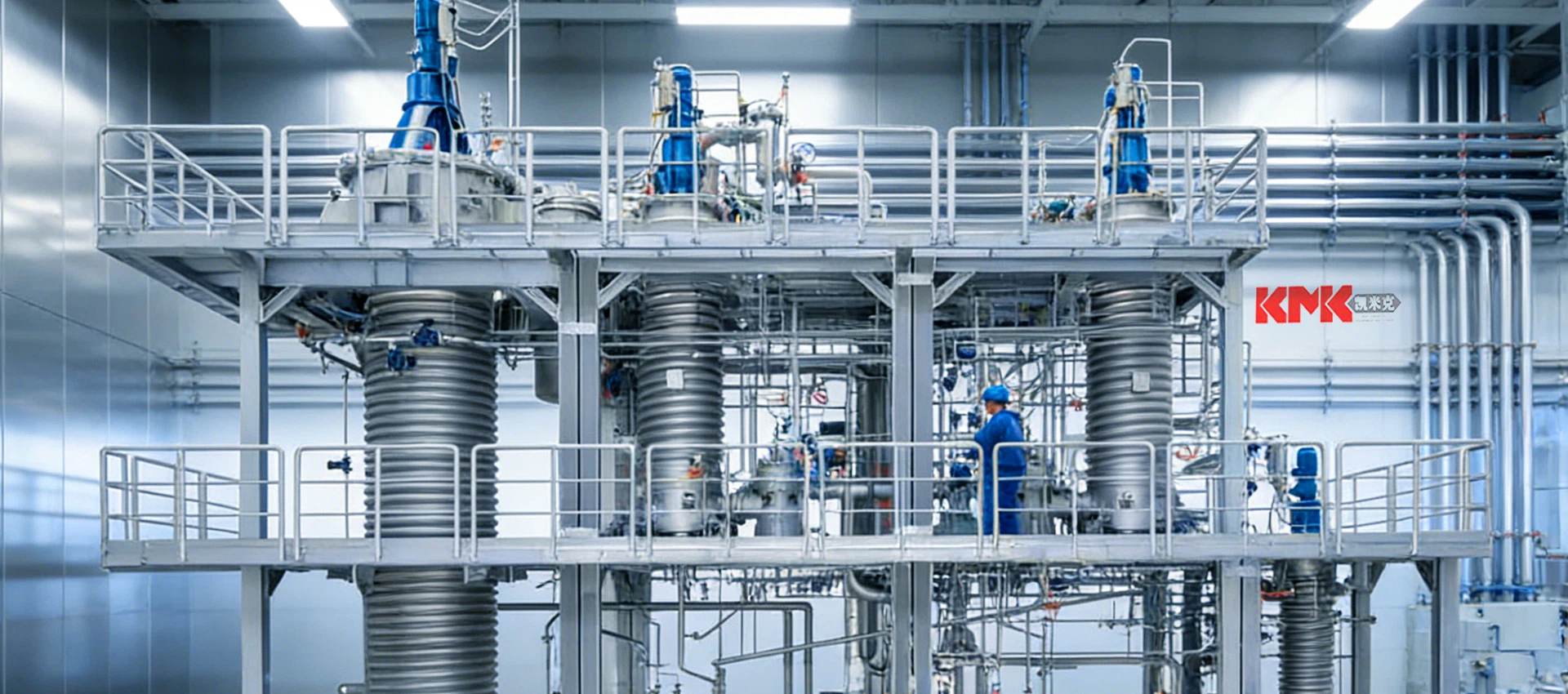
Reaction kettle classification by material and purpose
Sep 05, 2019
Leave a message
Stainless steel reactor
The stainless steel reaction kettle is composed of a kettle body, a kettle cover, a jacket, a stirrer, a transmission device, a shaft sealing device, a support, and the like. The materials are generally carbon-manganese steel, stainless steel, zirconium, nickel-based (Hare, Monel) alloys and other composite materials.
Stirring forms of stainless steel reactors generally include anchor type, paddle type, turbine type, propulsion type or frame type. When the high diameter is relatively large, the mixing device can be used with multiple layers of mixing blades, or can be arbitrarily selected according to user requirements.
The sealing type of stainless steel reactor can be divided into: packing sealing mechanical seal and magnetic sealing. The heating method includes electric heating, hot water heating, heat transfer oil circulation heating, outer (inner) coil heating, etc., and the cooling method is jacket cooling and coil cooling in the kettle.
Glass-lined reactor
The glass-lined reactor is a glass material containing high silica, which is lined on the inner surface of a steel container and is firmly adhered to the metal surface by high temperature burning to form a composite product. Therefore, the glass-lined reactor has the dual advantages of glass stability and metal strength, and is an excellent corrosion-resistant device.
Magnetic stirring reactor
The static sealing structure is adopted, and the magnetic coupling is connected between the agitator and the motor transmission. Due to its non-contact transmission torque, the static seal is replaced by a static seal, which can completely solve the leakage problem that the previous mechanical seal and the packing seal cannot solve, so that the whole medium Each stirring component is completely in an absolutely sealed state to work. Therefore, it is more suitable for various flammable, explosive, highly toxic, valuable media and other highly permeable chemical media to react. It is petroleum, chemical, organic synthesis. The most ideal non-leakage reaction equipment for the reaction of vulcanization, fluorination, hydrogenation and oxidation in the process of polymer material polymerization and food.