

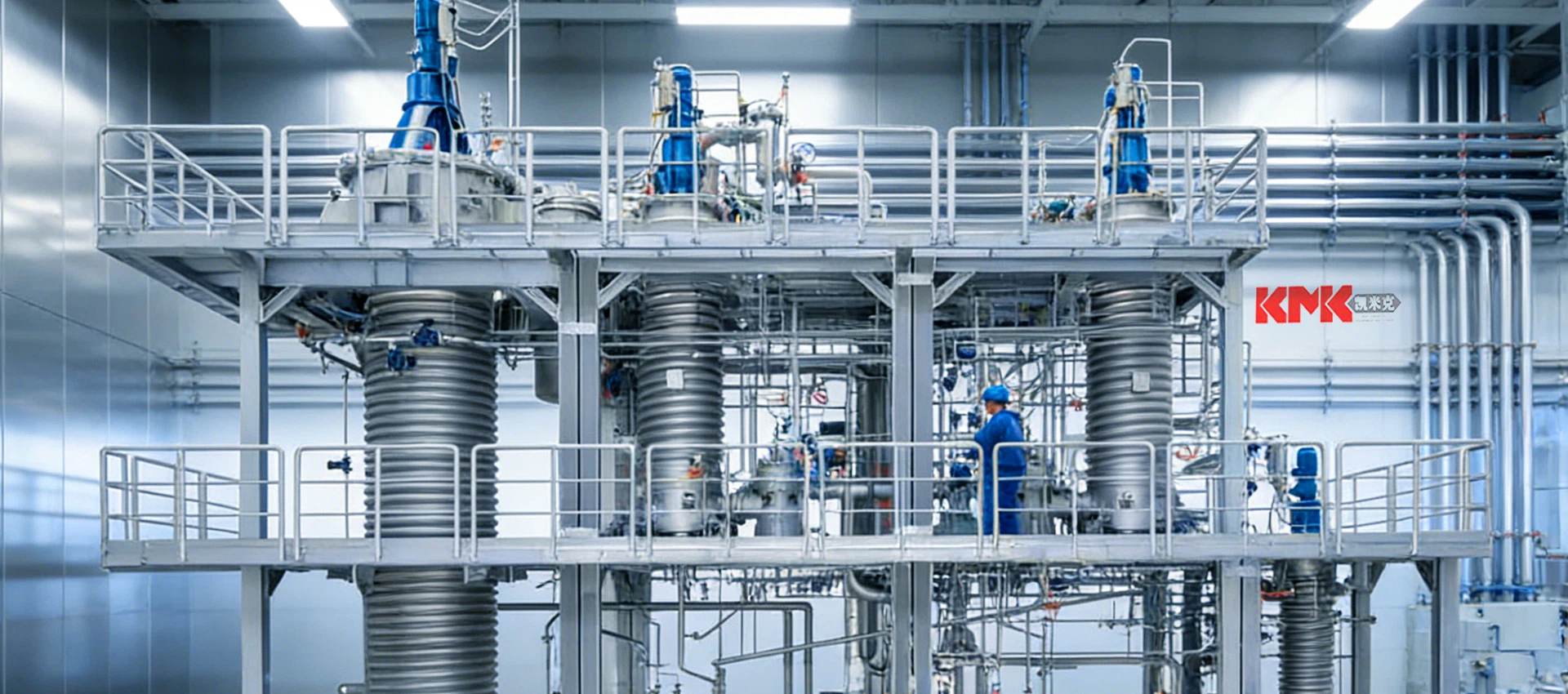
How to Install and Commission a High Efficiency Vacuum Rake Dryer
Nov 12, 2025
Leave a message
Installation and Commissioning of a High-Efficiency Vacuum Rake Dryer
1. Site Preparation
Before installing a slag rake, the work site must be prepared. Clear away debris and rubble, ensuring the surface is level and smooth to prevent uneven surfaces from affecting the stability of the equipment after installation. Furthermore, plan the equipment's placement based on the slag rake's operational requirements and dimensions, leaving ample working and operating space for easy assembly and commissioning. If the site is sloped, implement anti-slip measures to prevent the equipment from sliding during installation or use, ensuring a safe and orderly installation process.
2. Standard Equipment Assembly
Equipment assembly must be performed according to the correct procedures. First, place the main body of the slag rake in the designated position to ensure stability. Next, install the rake arm, tines, and other working components. During installation, ensure the connections between components are secure, align the connection holes, and tighten the connectors to prevent loose connections from causing problems later in operation. Next, install the motor, hydraulic pump, and other power components. Ensure the connections between the power components and the machine body meet equipment requirements, and that wiring and piping are properly connected, free of entanglement or pinching. This ensures the equipment's proper operation.
3. Conduct a Comprehensive System Inspection
After assembly is complete, conduct a comprehensive inspection of the equipment system. Inspect the electrical system to ensure proper wiring and damage, and to verify that switches and buttons are sensitive and reliable, ensuring the safety of the electrical system. Inspect the hydraulic system to ensure sufficient hydraulic oil and that the oil quality meets requirements. Ensure that hydraulic piping connections are properly sealed and leak-free, and that hydraulic components are properly installed to ensure the hydraulic system can transmit power properly. Also, check the lubrication of mechanical components and confirm that all lubrication points are properly filled with the appropriate lubricant to reduce frictional losses during operation.
4. Conduct a Test Run
After the system inspection is complete, conduct a test run. Start the equipment and operate all components under no-load conditions. Observe whether the equipment operates smoothly, whether there are any unusual sounds, and whether all moving parts, such as the rake arm raising and lowering and the rake teeth rotating, operate smoothly. After the no-load test run is complete, a loaded test run is conducted, testing the equipment according to its rated load. Check whether the equipment's power output and operating efficiency meet the standards under load. If any issues are found, the equipment is promptly shut down and adjusted until all performance indicators meet normal operating requirements.

We specialize in the research, development, and manufacturing of scraper scrapers. We sincerely invite industry partners to collaborate and look forward to your inquiries!