

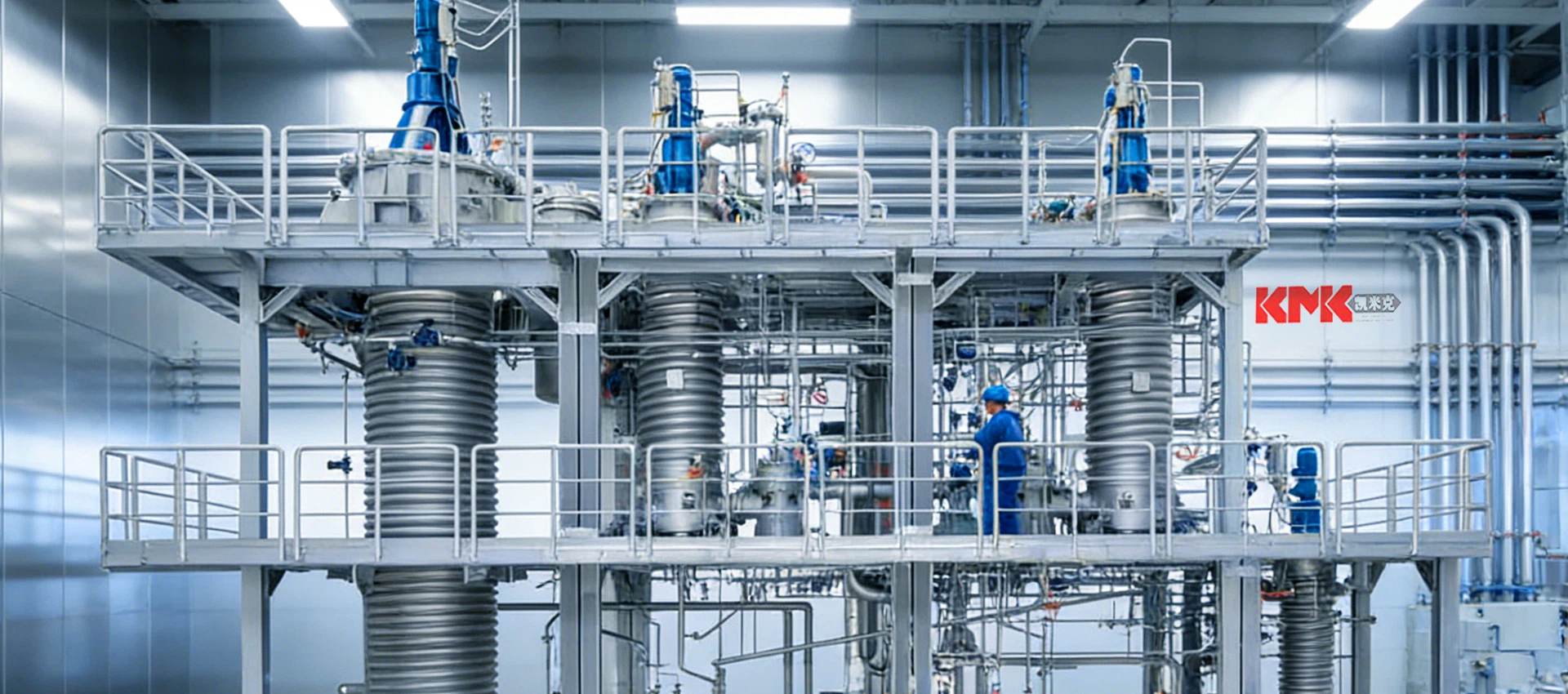
How is the production efficiency of a High Efficiency Vacuum Rake Dryer
Nov 15, 2025
Leave a message
High Efficiency Vacuum Rake Dryer Production Efficiency
1. Equipment Configuration Affects Efficiency
The production efficiency of a waste rake dryer is closely related to its configuration. The performance of its core components directly determines its operational capacity. For example, the strength of its power system. A machine with sufficient power can maintain a stable operating speed during operation, avoiding interruptions or efficiency losses due to insufficient power. The design and material of the rake teeth are also crucial. A reasonable rake tooth layout ensures more efficient capture of waste rock. Wear-resistant rake teeth reduce wear and extend their service life, minimizing downtime due to tooth replacements and ensuring continuous, efficient operation. Furthermore, the rational design of the equipment's conveying mechanism and its ability to quickly transport the collected waste rock to the designated location also impact overall production efficiency.
2. Operating Environment Conditions Constrain Efficiency
The actual operating environment conditions can constrain the production efficiency of a waste rake dryer. The size of the working surface affects the machine's operational flexibility. A narrow working surface restricts the machine's ability to turn and move, increasing operating time and reducing the amount of work per unit time. The characteristics of waste rock should not be ignored. If the waste rock has a high water content, it can easily stick to equipment components, affecting its handling and conveying efficiency. Large, hard objects mixed in with the waste rock can jam the equipment, requiring downtime for cleaning and disrupting the process. Furthermore, the surface conditions of the worksite, such as its flatness and the presence of obstacles, can affect the movement and stability of the equipment, thus impacting production efficiency.
3. Operational Standardization Linked to Efficiency
The operator's operational standardization is closely linked to the production efficiency of the waste rock rake. Skilled and standardized operation ensures the equipment operates optimally at all times. Operators can adjust operating parameters, such as rake speed and conveying speed, based on the actual conditions of the waste rock, to avoid overloading the equipment or disrupting the operating rhythm due to improper operation. Inexperienced operators may frequently start and stop the equipment, making mistakes, and other errors, which not only increase equipment wear and tear but also significantly reduce operational efficiency. Furthermore, the operator's ability to identify and address equipment failures is crucial. Promptly identifying and addressing minor issues can prevent them from escalating into extended downtime.
4. Daily Maintenance Ensures Efficiency
Daily maintenance of a waste rake is crucial for ensuring production efficiency. Regular maintenance can promptly identify and correct potential component problems, preventing failures caused by wear and aging. For example, regular inspections of the hydraulic system ensure sufficient and high-quality hydraulic oil to prevent sluggish or malfunctioning equipment due to hydraulic system failures. Regular cleaning of equipment components to remove surface waste rock debris and dust prevents clogging and increased wear. Proper daily maintenance keeps the equipment in good working order, reduces downtime, and ensures stable production efficiency.
If you have any questions about waste rakes, please contact Wuxi KMK Equipment Science & Technology. Our professional team will provide customized solutions and comprehensive technical support.