

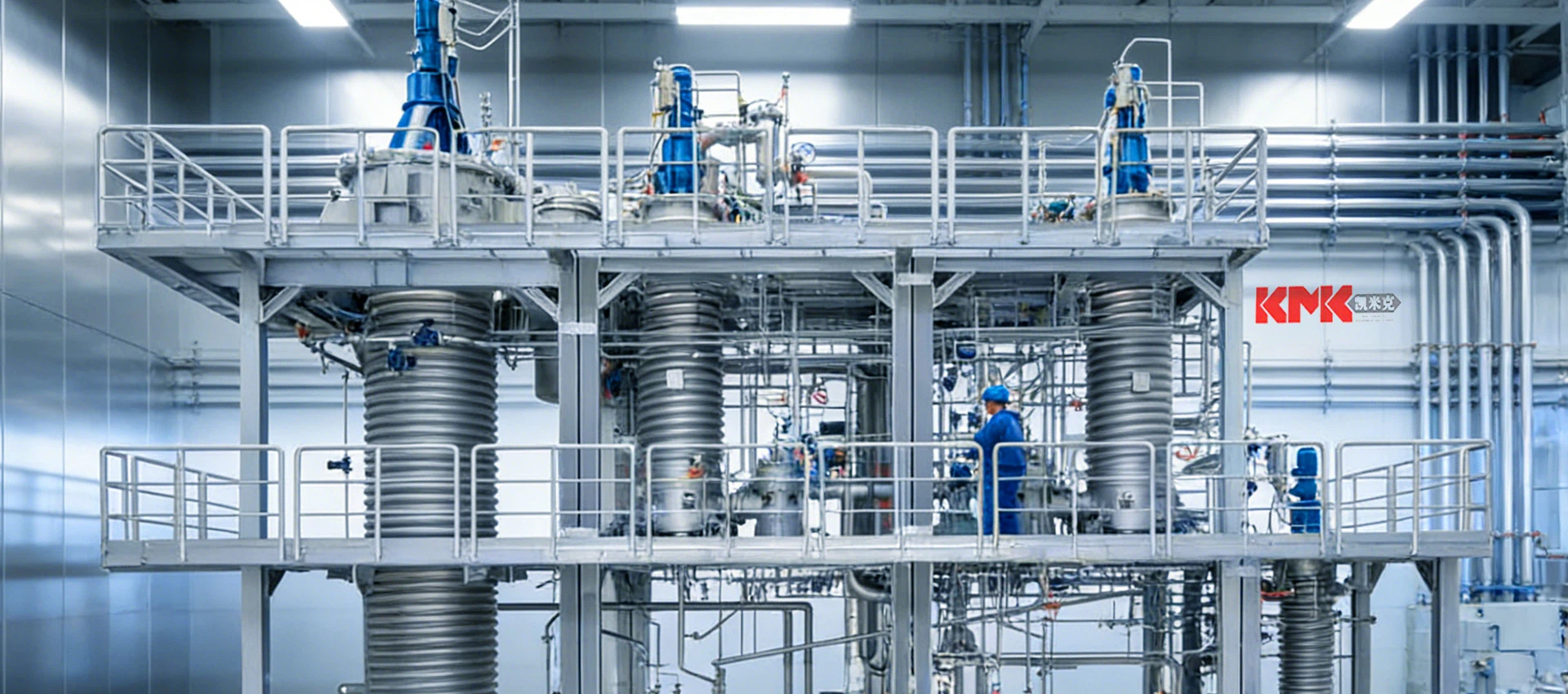
What to Consider When Installing an Aluminum Reactor
Sep 09, 2025
Leave a message
Aluminum Reactor Installation Precautions
1. Confirm the Installation Environment
Before installation, select a flat, dry, and well-ventilated site. Avoid areas near sources of fire or corrosive gases to prevent damage to the aluminum material. Ensure sufficient space for subsequent equipment operation, maintenance, and component handling. Also, check for obstructions to prevent interference with equipment positioning and adjustment during installation.
2. Build a Stable Foundation
Build an appropriate installation foundation based on the overall weight and dimensions of the reactor. Ensure the foundation is level and has a sufficient load-bearing capacity to prevent shaking during operation. The foundation surface should be flat and smooth, free of protrusions or depressions, to ensure the reactor remains stable once placed and reduce the risk of deformation due to uneven load distribution.
3. Standardize Component Assembly
During assembly, connect the reactor body, piping, valves, and control system components in sequence according to the equipment manual. Be gentle during connection to avoid excessive force that could deform or damage the aluminum components. Ensure that all components are precisely aligned and that there is no misalignment at the interfaces. Also, ensure that seals are protected during assembly to prevent damage that could affect subsequent sealing.
4. Detailed Sealing Inspection
After assembly is complete, focus on inspecting all sealing areas, including the seals between the reactor body and lid, and the seals at the pipe interfaces. Verify that seals are properly installed and are free of signs of aging or damage. Verify sealing performance through pressure testing and other methods to ensure there are no leaks. If any sealing issues are detected, replace seals or adjust the assembly to prevent material leakage during subsequent use.
5. Conduct a Trial Run
After all installation is complete, conduct a trial run. Start the equipment and check that all components are operating normally and that the control system can accurately control parameters such as temperature and pressure. During the trial run, closely monitor the equipment for any abnormal noise, vibration, or parameter fluctuations. If any problems are detected, immediately shut down the equipment for investigation and troubleshooting. Once the problem is resolved, conduct another trial run. Only after confirming that the equipment is operating stably can it be put into full operation.

For more information on aluminum reactor installation precautions, please contact Wuxi KMK Equipment Science & Technology. Our technical team is always available to assist you.