

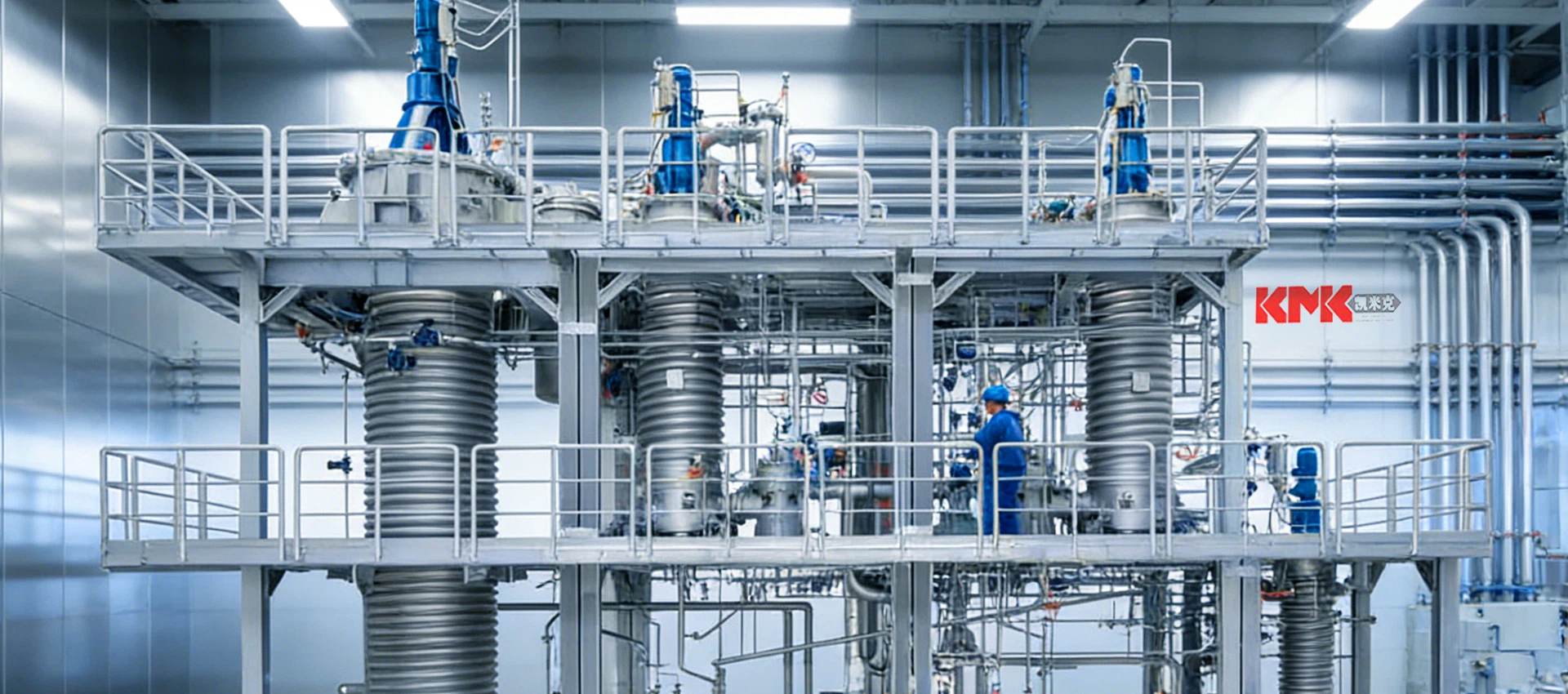

Thin Layer Distillation
Description
Technical Parameters
Thin Layer Distillation: The Future of CBD and Essential Oil Extraction
As consumers become increasingly mindful of what they put in their bodies, the demand for high-quality, pure CBD and essential oils has skyrocketed. But not all extraction methods are created equal, and many traditional methods can leave behind trace impurities that compromise the quality and safety of the final product.
Enter thin layer distillation, a cutting-edge extraction technique that utilizes molecular separation to produce pure, potent extracts with unparalleled precision and efficiency. In this article, we'll explore the benefits of thin layer distillation and how it can revolutionize your CBD and essential oil production.
What is Thin Layer Distillation?
Thin layer distillation (TLD) is a specialized form of distillation that utilizes high-precision temperature control and molecular separation to produce pure, potent extracts. Unlike traditional distillation, which relies on differences in boiling points to separate components, TLD separates molecules based on their individual vapor pressures.
The process begins with a batch of raw material, which is loaded into a pre-heated evaporator. The evaporator slowly heats the material, causing it to release its volatile components into a vapor state. These vapors are then condensed and captured in a series of high-precision fractionating columns, which separate the components based on their molecular weight and vapor pressure.
The result is a highly refined, pure extract that is free of residual impurities and contaminants. Because TLD operates under vacuum conditions, it also operates at much lower temperatures than traditional distillation, preserving the delicate aromas and flavors that can be lost through harsher extraction methods.
Why use Thin Layer Distillation?
There are many reasons why thin layer distillation is quickly becoming the extraction method of choice for CBD and essential oil producers worldwide. Here are just a few of the benefits:
1. Increased Purity: Thin layer distillation is able to separate components with much greater precision than traditional distillation. This means that the resulting extracts are much purer, with less residual impurities and contaminants.
2. Greater Efficiency: TLD operates at much lower temperatures than traditional distillation, which means that less energy is required to extract the same amount of material. This not only saves on energy costs, but also reduces the risk of thermal degradation or oxidation that can occur with higher temperature methods.
3. Enhanced Flavor and Aroma: Because TLD operates under vacuum conditions and at lower temperatures, it is able to preserve the delicate aromas and flavors of the raw material more effectively than traditional distillation. This means that the resulting extracts are not only pure, but also retain the natural characteristics of the plant or material being extracted.
4. Scalable and Flexible: Thin layer distillation can be scaled up or down depending on the size of the batch, making it ideal for commercial production as well as small-scale artisanal operations. It is also highly flexible, and can be used to extract a wide range of materials, from essential oils to CBD and other cannabinoids.
Application of Thin Layer Distillation in CBD and Essential Oil Production
Thin layer distillation is particularly well-suited for the production of high-quality CBD and essential oil extracts. Here are just a few examples of how TLD can be used in these applications:
1. CBD Isolate Production: TLD is a highly effective method for producing pure CBD isolate, which is used in a wide range of CBD products. Because it is able to separate CBD from other components with such precision, TLD produces an isolate that is almost entirely free of contaminants and impurities.
2. Essential Oil Production: TLD is also increasingly being used in the production of essential oils, particularly those derived from delicate or rare plant materials. Because it operates at lower temperatures and under vacuum conditions, it is able to extract these oils with greater precision and minimal loss of aroma or flavor.
3. Terpene Isolate Production: Terpenes, the aromatic compounds found in many plants, are becoming an increasingly important component of the wellness and skincare industries. Thin layer distillation is an ideal method for producing pure terpene isolate, which can be used in a wide range of products.
Conclusion
Thin layer distillation is a cutting-edge extraction method that is quickly becoming the industry standard for high-quality CBD and essential oil production. Its ability to produce pure, potent extracts with unparalleled precision and efficiency make it ideal for a wide range of applications, from commercial production to small-scale artisanal operations.
If you're looking for a way to take your CBD or essential oil production to the next level, consider adding thin layer distillation to your toolkit. With its advanced technology and flexible scalability, TLD can help you produce high-quality extracts that are sure to delight even the most discerning customers.
Introduction
The evaporator adopts foreign advanced technology and has an international advantage in wiping the thin film evaporator in China.
Advantages
1.High heat transfer coefficient,large evaporation
3.Adapt to various viscosities
4.Cylinder wall evaporator is not easy to produce coke and scale through precision boring and polishing surface.
5.The operation is simple,the product index is easy to adjust,and under continuous conditions,continuous production can be controlled.
6.Small footprint,small footprint,simple structure,easy maintenance and easy cleaning.
Application industry
1.Thermal separation of thermosensitive chemical compounds.
2.Purification of organic synthetic materials.
3.Isolation of the active ingredient from the biological extraction solution.
4.Recovery of industrial waste.
5.Remove toxic substances from the food industry.
6.Decoloration of organic compounds to eliminate odors.
7.High-precision removal of residual solvent in the compound.

Hot Tags: thin layer distillation, China thin layer distillation manufacturers, suppliers, factory, pressure distillation unit, Crude Distillation Unit, seawater distillation unit, Steam Strippers for Water Treatment, Laboratory Distillation Equipment, customized distillation unit
Previous
Vacuum Distillation KitSend Inquiry


