

What is the working principle of thin film dryers?
Dec 09, 2025
Leave a message
Hey there! As a supplier of Thin Film Dryers, I'm super excited to share the ins and outs of how these amazing machines work. So, let's dive right in and explore the working principle of thin film dryers together.
First off, what are thin film dryers? Well, they're industrial drying equipment used to remove moisture from various materials efficiently. They're widely used in industries like chemical, pharmaceutical, food, and more. And trust me, they're a game - changer when it comes to drying processes.
The Basics of Thin Film Dryers
Thin film dryers operate on the principle of creating a thin film of the material to be dried on a heated surface. This thin film allows for a large surface - area - to - volume ratio, which in turn promotes rapid heat and mass transfer.
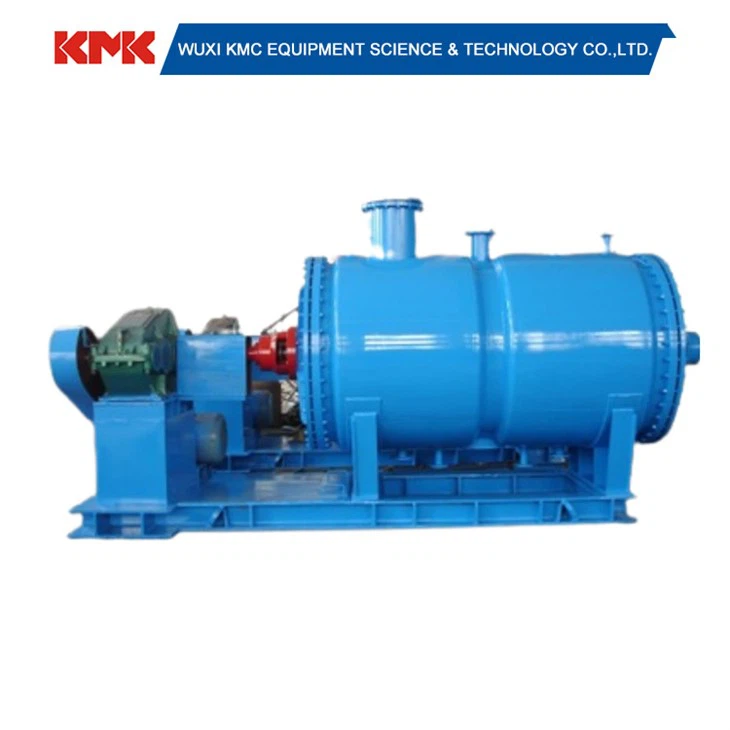
When we talk about the main components of a thin film dryer, there are usually a few key parts. You've got the evaporation chamber, where the actual drying takes place. Inside this chamber, there's a heating jacket or a heating element that provides the necessary heat. Then, there's a device to create and maintain the thin film, which could be a wiper or a centrifugal force mechanism.
How the Film is Formed
Let's start with how the thin film is created. There are different methods, but one common way is through the use of rotating wipers. These wipers are attached to a central shaft that rotates inside the evaporation chamber. When the material enters the dryer, the rotating wipers spread it evenly along the heated wall of the chamber, creating a thin, continuous film.
Another method uses centrifugal force. In this case, the material is fed into the center of a rotating disc or drum. As the disc or drum rotates, the centrifugal force pushes the material outwards, forming a thin film on the heated surface.
Heat Transfer Process
Once the thin film is formed, the heat transfer process kicks in. The heating jacket or element transfers heat to the wall of the evaporation chamber. The thin film of material in contact with the heated wall absorbs this heat.
The heat causes the moisture in the material to evaporate. Since the film is extremely thin, the heat can quickly penetrate through it, making the evaporation process very efficient. The evaporated moisture is then removed from the chamber, usually by a vacuum system or a stream of gas.
Mass Transfer and Drying
During the evaporation process, mass transfer also occurs. Mass transfer is basically the movement of the moisture from the material to the vapor phase. The high surface - area - to - volume ratio of the thin film accelerates this mass transfer.

As the moisture evaporates, it creates a concentration gradient within the material. The moisture inside the material migrates to the surface, where it can evaporate more easily. This continuous process of moisture migration and evaporation leads to the drying of the material.
Advantages of Thin Film Dryers
The unique working principle of thin film dryers brings several advantages. For one, they have a very short residence time. Since the heat transfer and mass transfer are so efficient, the material spends less time in the dryer. This is great for heat - sensitive materials as it reduces the risk of thermal degradation.
They also offer high evaporation rates. The large surface area of the thin film allows for a significant amount of moisture to be evaporated quickly. And because they can operate under vacuum, they can dry materials at lower temperatures, which is beneficial for many applications.
Applications in Different Industries
In the chemical industry, thin film dryers are used to dry various chemical products, such as polymers, resins, and catalysts. They can handle both viscous and non - viscous materials, making them very versatile.
In the pharmaceutical industry, they're used for drying active pharmaceutical ingredients (APIs) and other pharmaceutical products. The ability to dry at low temperatures and in a short time helps to preserve the quality of these sensitive products.
The food industry also benefits from thin film dryers. They can be used to dry food ingredients, such as fruit and vegetable juices, dairy products, and spices. The short drying time helps to retain the flavor, color, and nutritional value of the food.
Our Product Range
As a supplier, we offer a wide range of thin film dryers. You can check out our Thin Film Dryers on our website. We also have other related products like the ZPG Series Vacuum Rake Dryer and the Rotary Vacuum Dryer.
These products are designed with the latest technology to ensure high - performance and reliability. We understand the diverse needs of different industries, and our team is always ready to customize the dryers according to your specific requirements.
Why Choose Our Thin Film Dryers
Our thin film dryers are built with precision and quality. We use high - grade materials in the construction of our dryers to ensure long - term durability. They also come with advanced control systems that allow for easy operation and monitoring.
We offer comprehensive after - sales service. Our technical team is available to provide support and maintenance whenever you need it. Whether it's troubleshooting, parts replacement, or performance optimization, we've got you covered.
Time to Talk Business
If you're in the market for a thin film dryer or any of our related products, don't hesitate to get in touch with us. We're eager to discuss your drying needs and find the best solution for your business. Whether you're a small - scale operation or a large - scale industrial plant, we've got the right product for you.
References
- Perry, R. H., & Green, D. W. (2008). Perry's Chemical Engineers' Handbook. McGraw - Hill.
- Mujumdar, A. S. (Ed.). (2014). Handbook of Industrial Drying. CRC Press.