

What is the lifespan of a distillation unit?
May 20, 2025
Leave a message
Hey there! As a supplier of distillation units, I often get asked about the lifespan of these essential pieces of equipment. It's a crucial question, especially for businesses and individuals looking to make a smart investment. In this blog, I'll break down the factors that affect the lifespan of a distillation unit and give you some tips on how to extend it.
First off, let's talk about what a distillation unit is. A distillation unit is a device that separates mixtures based on the differences in their boiling points. It's used in a wide range of industries, from chemical manufacturing to food and beverage production. There are different types of distillation units, such as Water Still Distillation Unit, Fractional Distillation Equipment, and Distillation Separation Device. Each type has its own unique features and applications, but they all share the same basic principle of distillation.
Now, let's get to the main question: what's the lifespan of a distillation unit? Well, there's no one-size-fits-all answer to this question. The lifespan of a distillation unit can vary greatly depending on several factors, including the quality of the equipment, the frequency of use, the type of materials being processed, and the maintenance and care it receives.
Quality of the Equipment
The quality of the distillation unit you purchase plays a significant role in its lifespan. High-quality units are typically made from durable materials and are built to withstand the rigors of continuous use. They also tend to have better engineering and design, which can result in fewer breakdowns and longer service life. When choosing a distillation unit, it's important to do your research and select a reputable supplier that offers high-quality products. Look for units that are made from corrosion-resistant materials, such as stainless steel, and that have a solid construction.
Frequency of Use
The frequency of use is another important factor that affects the lifespan of a distillation unit. If you use your unit frequently, it will naturally experience more wear and tear than a unit that is used less often. Continuous operation can put a lot of stress on the components of the distillation unit, such as the heating elements, pumps, and valves. Over time, this can lead to premature failure of these components. On the other hand, if you use your unit sparingly, it may last longer. However, even if you don't use your unit very often, it's still important to perform regular maintenance to keep it in good working condition.
Type of Materials Being Processed
The type of materials being processed in the distillation unit can also have an impact on its lifespan. Some materials are more corrosive or abrasive than others, and they can cause damage to the components of the distillation unit over time. For example, if you're processing acidic or alkaline substances, they can corrode the metal parts of the unit. Similarly, if you're processing materials that contain solids or abrasive particles, they can wear down the pumps and valves. To minimize the damage caused by the materials being processed, it's important to choose a distillation unit that is designed to handle the specific materials you'll be working with. You may also need to use additional filtration or pre-treatment steps to remove any contaminants or solids from the feedstock.
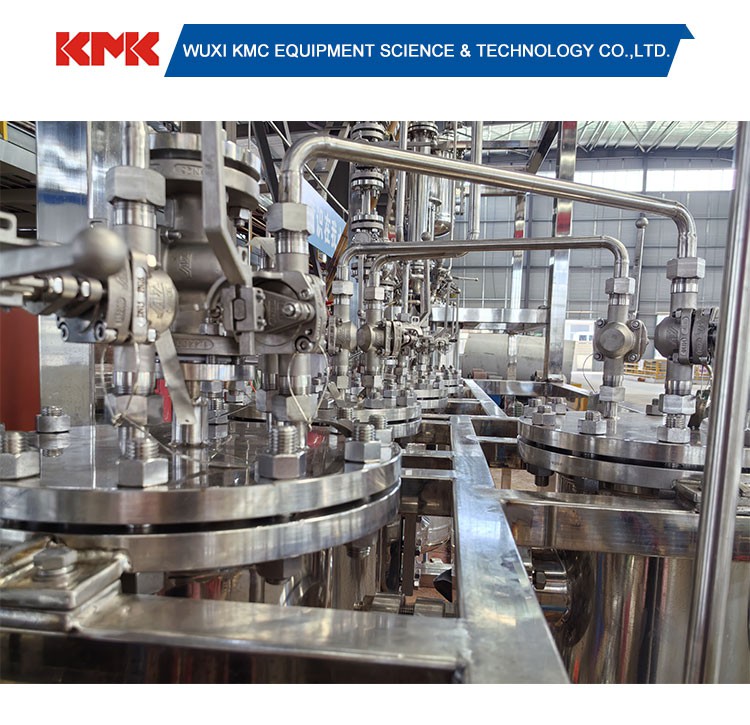

Maintenance and Care
Proper maintenance and care are essential for extending the lifespan of a distillation unit. Regular maintenance can help prevent breakdowns, identify potential problems early on, and keep the unit operating at peak efficiency. Here are some key maintenance tasks that you should perform on a regular basis:
- Cleaning: Regularly clean the interior and exterior of the distillation unit to remove any dirt, debris, or residue. This will help prevent corrosion and ensure that the unit functions properly.
- Lubrication: Lubricate the moving parts of the distillation unit, such as the pumps and valves, to reduce friction and wear.
- Inspection: Regularly inspect the components of the distillation unit for signs of wear, damage, or corrosion. Replace any worn or damaged parts as soon as possible to prevent further damage.
- Calibration: Calibrate the sensors and controls of the distillation unit on a regular basis to ensure accurate operation.
- Fluid Replacement: Replace the fluids, such as the cooling water and lubricants, at the recommended intervals to maintain optimal performance.
In addition to regular maintenance, it's also important to follow the manufacturer's instructions for operating the distillation unit. This includes using the correct temperature, pressure, and flow rates, as well as avoiding overloading the unit.
Typical Lifespan
While the lifespan of a distillation unit can vary depending on the factors mentioned above, a well-maintained distillation unit can typically last anywhere from 10 to 20 years or more. However, it's important to note that this is just an estimate, and the actual lifespan of your unit may be shorter or longer depending on how it's used and maintained.
Extending the Lifespan
If you want to extend the lifespan of your distillation unit, here are some additional tips:
- Use High-Quality Feedstock: Using high-quality feedstock can help reduce the amount of wear and tear on the distillation unit. Avoid using feedstock that contains contaminants or solids, as these can cause damage to the components of the unit.
- Monitor the Operating Conditions: Regularly monitor the operating conditions of the distillation unit, such as the temperature, pressure, and flow rates. Make sure that these conditions are within the recommended range to prevent overloading the unit.
- Train Your Staff: Proper training of your staff is essential for ensuring that the distillation unit is operated correctly. Make sure that your staff understands how to use the unit, how to perform basic maintenance tasks, and how to identify potential problems.
- Invest in Spare Parts: Keeping a stock of spare parts on hand can help minimize downtime in the event of a breakdown. Make sure that you have the necessary spare parts for your distillation unit, such as gaskets, seals, and valves.
Conclusion
In conclusion, the lifespan of a distillation unit depends on several factors, including the quality of the equipment, the frequency of use, the type of materials being processed, and the maintenance and care it receives. By choosing a high-quality unit, using it properly, and performing regular maintenance, you can extend the lifespan of your distillation unit and get the most out of your investment.
If you're in the market for a distillation unit or have any questions about the lifespan of these devices, don't hesitate to reach out. We're here to help you find the right solution for your needs and ensure that you get the most value from your purchase. Let's start a conversation about how we can work together to meet your distillation requirements.
References
- Chemical Engineering Handbook
- Distillation Equipment Manufacturer's Guides
- Industry Best Practices for Distillation Unit Maintenance