

What is the flow pattern inside a thin film dryer?
Jan 07, 2026
Leave a message
What is the flow pattern inside a thin film dryer? Well, let me break it down for you. As a supplier of thin film dryers, I've seen these machines in action and understand how crucial it is to grasp the flow patterns within them.
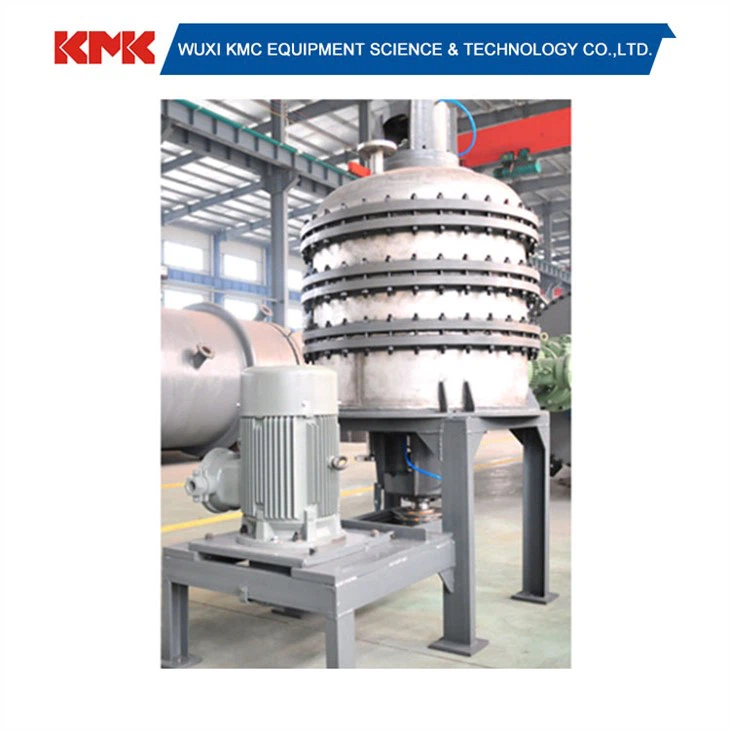

First off, a thin film dryer is a pretty nifty piece of equipment used in various industries to remove moisture from different substances. The flow pattern inside it plays a huge role in how efficiently and effectively the drying process happens.
There are a few different types of thin film dryers out there, like the Agitated Thin Film Drying system. In an agitated thin film dryer, the flow pattern is quite unique. The material that needs to be dried is fed into the dryer onto the inner surface of a heated cylinder. As the agitator blades spin, they spread the material out into a thin film. This thin film then moves down the cylinder in a sort of annular flow.
The annular flow means that the material forms a ring - like layer around the inside of the cylinder. The heated wall of the cylinder provides the energy needed to evaporate the moisture from the material. As the material moves down, the vapor generated rises to the top of the dryer and is removed. The agitation helps to continuously renew the surface of the thin film, which is super important. It allows for better heat transfer and faster evaporation of the moisture.
Another type is the Wiped Film Dryer. In a wiped film dryer, the flow pattern is a bit more straightforward but still has its own characteristics. The feed material is introduced at the top of a vertically oriented heated tube. A set of wiping blades, attached to a central rotating shaft, wipes the material into a thin film on the inner wall of the tube.
The material cascades down the wall in a thin, continuous film. Gravity plays a big part in this flow. The film has a relatively short residence time on the heated surface, which is great for heat - sensitive materials. The vapor produced during drying is quickly removed from the top of the dryer, and the dried product is collected at the bottom. This flow pattern ensures that the material is evenly heated and that the drying process is efficient.
Then there's Thin Layer Drying. In a thin layer drying setup, the material is spread out in a thin layer on a flat or slightly inclined surface. The flow pattern here is more two - dimensional compared to the previous types. Air or a heating medium is passed over the thin layer, and the moisture in the material evaporates.
The flow of the air or heating medium is carefully controlled to ensure uniform drying. The material doesn't have the same kind of forced movement as in the agitated or wiped film dryers, but the thin layer design allows for good heat and mass transfer. The moisture evaporates from the surface of the thin layer and is carried away by the flowing medium.
Now, let's talk about why understanding these flow patterns matters. For one thing, it helps in optimizing the drying process. If you know how the material flows inside the dryer, you can adjust the operating parameters like the feed rate, the temperature of the heating medium, and the speed of the agitators or wiping blades.
For heat - sensitive materials, getting the flow pattern right is crucial. If the residence time of the material on the heated surface is too long, it can cause the material to degrade. By choosing the right type of thin film dryer and controlling the flow pattern, we can ensure that these materials are dried without losing their quality.
Also, from a cost - efficiency perspective, the flow pattern can have a big impact. A well - designed flow pattern means better heat transfer, which in turn means less energy is required to achieve the desired drying level. This can lead to significant savings in the long run.
If you're in an industry that requires moisture removal from your products, whether it's in the chemical, pharmaceutical, or food industry, a thin film dryer could be a great solution for you. Understanding the flow patterns inside these dryers will help you make an informed decision about which type is best for your specific needs.
Our company has been supplying high - quality thin film dryers for years. We've worked with a wide range of clients, from small startups to large multinational corporations. We can help you choose the right dryer based on your material characteristics and production requirements.
If you're interested in learning more about our thin film dryers or want to discuss your specific drying needs, don't hesitate to reach out to us. Our team of experts is always ready to have a chat with you and answer any questions you might have. Whether it's about the flow patterns, the technical specifications, or the installation and maintenance of the dryers, we've got you covered.
I hope this blog post has given you a better understanding of the flow patterns inside a thin film dryer. If you have any further questions or need more detailed information, feel free to leave a comment below or contact us directly. We're looking forward to helping you find the perfect thin film drying solution for your business.
References:
- Industry - specific literature on thin film drying processes
- In - house research and development data from our thin film dryer production and testing