

What is the effect of the surface area of the thin film on drying?
Dec 11, 2025
Leave a message
Hey there! As a supplier in the thin film drying industry, I've seen firsthand how the surface area of a thin film can have a huge impact on the drying process. In this blog, I'm gonna break down the effects of thin film surface area on drying and why it matters for your business.
Let's start with the basics. When we talk about thin film drying, we're referring to the process of removing moisture from a thin layer of material. This can be anything from a liquid solution to a paste or slurry. The goal is to turn that wet material into a dry, solid product. And the surface area of that thin film plays a crucial role in how quickly and effectively that happens.
So, how does surface area affect drying? Well, think about it like this: the more surface area a thin film has, the more area there is for moisture to evaporate from. It's like having a bigger window for the water to escape. When you increase the surface area, you're essentially giving the moisture more opportunities to break free from the material and turn into vapor.
One of the main advantages of a larger surface area is faster drying times. When there's more surface available for evaporation, the moisture can leave the thin film at a quicker rate. This means you can get your product dry and ready for the next step in the process in less time. For businesses, this can translate into increased productivity and efficiency. You can produce more in a shorter amount of time, which can lead to higher profits.
Another benefit is better heat transfer. In many thin film drying processes, heat is used to speed up the evaporation of moisture. A larger surface area allows for more efficient heat transfer from the heating source to the thin film. This means that the heat can reach more of the material, helping to drive off the moisture more effectively. As a result, you can achieve a more uniform drying process and end up with a higher - quality product.
On the flip side, a smaller surface area can slow down the drying process. With less area for evaporation, the moisture has a harder time escaping. This can lead to longer drying times, which can be a real pain for businesses that are trying to meet production deadlines. It can also result in uneven drying, where some parts of the thin film are still wet while others are dry. This can affect the quality of the final product and may require additional processing steps to fix.
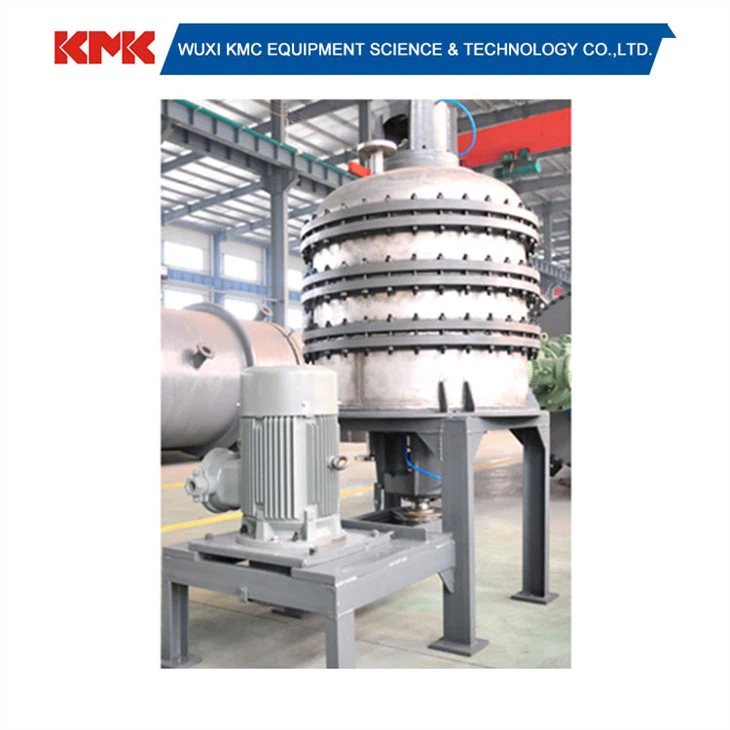
Now, let's talk about how we can manipulate the surface area of a thin film. There are a few different ways to do this. One common method is to use specialized equipment. For example, Agitated Thin Film Dryers are designed to create a thin film with a large surface area. These dryers use a rotating blade or agitator to spread the material into a thin layer as it moves through the dryer. This increases the surface area and helps to speed up the drying process.
Another option is Wiped Film Dryer. These dryers work by using a wiper system to continuously spread the material into a thin film on the heated surface. The wiper ensures that a fresh layer of material is constantly exposed, maximizing the surface area for evaporation. This results in fast and efficient drying.
Agitated Drying Machine is also a great choice. It combines agitation with drying, which helps to break up the material and increase its surface area. The agitation action keeps the material moving, preventing it from clumping together and allowing more of the surface to be exposed to the drying conditions.
In addition to using the right equipment, the properties of the thin film itself can also affect its surface area. The viscosity of the material, for example, can play a role. A more viscous material may be harder to spread into a thin film with a large surface area. On the other hand, a less viscous material can be more easily spread out, resulting in a larger surface area and faster drying.

The temperature and pressure during the drying process can also impact the surface area. Higher temperatures can cause the material to spread out more, increasing the surface area. And adjusting the pressure can help to control the evaporation rate and the way the thin film forms.
As a thin film drying supplier, I know how important it is to get the surface area right. That's why we offer a range of high - quality drying equipment that's designed to optimize the surface area of your thin film. Our products are built to be efficient, reliable, and easy to use. Whether you're a small business looking to improve your drying process or a large corporation in need of industrial - scale equipment, we've got you covered.
If you're interested in learning more about how our thin film drying solutions can benefit your business, I encourage you to reach out. We can provide you with detailed information about our products, including the Agitated Thin Film Dryers, Wiped Film Dryer, and Agitated Drying Machine. We can also work with you to understand your specific needs and recommend the best equipment for your application.
Don't let slow or inefficient drying processes hold your business back. Take advantage of the benefits of a larger surface area in thin film drying and see the difference it can make. Contact us today to start the conversation about how we can help you improve your drying operations.
References
- Perry, R. H., & Green, D. W. (Eds.). (2008). Perry's Chemical Engineers' Handbook (8th ed.). McGraw - Hill.
- Geankoplis, C. J. (2003). Transport Processes and Unit Operations (4th ed.). Prentice Hall.