

What is the effect of the material's initial moisture content on the drying time in thin film dryers?
May 22, 2025
Leave a message
The initial moisture content of a material plays a pivotal role in determining the drying time within thin film dryers. As a leading supplier of thin film dryers, we have witnessed firsthand the profound impact that this variable can have on the efficiency and effectiveness of the drying process. In this blog post, we will delve into the science behind the relationship between the material's initial moisture content and drying time, exploring how it influences the performance of our Horizontal Thin Film Dryer, Wiped Film Drying, and Thin Film Drying technologies.
Understanding Thin Film Dryers
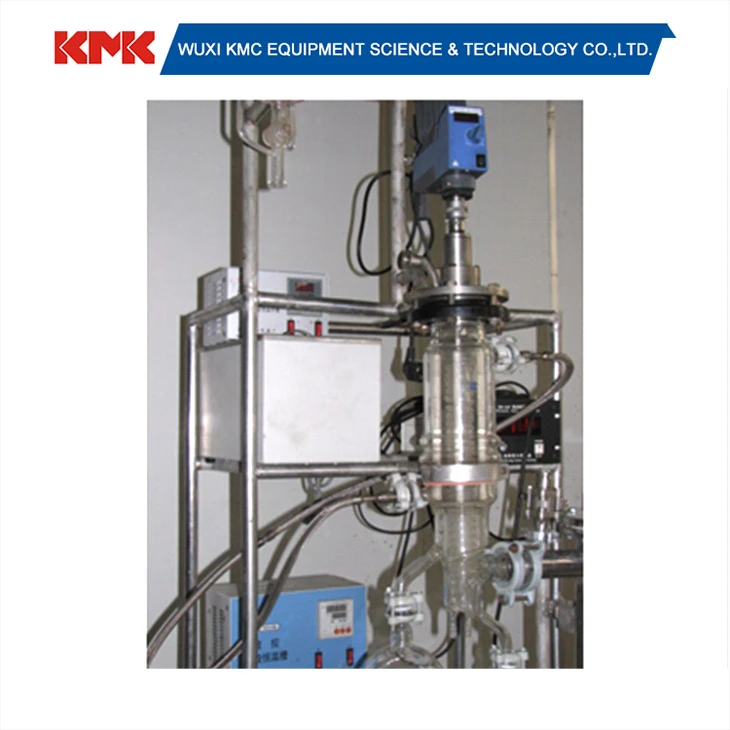
Thin film dryers are advanced drying systems designed to remove moisture from various materials efficiently. These dryers operate by spreading the material into a thin film on a heated surface, which maximizes the surface area available for evaporation. This thin film configuration allows for rapid heat transfer and efficient moisture removal, making thin film dryers ideal for applications where high drying rates and product quality are crucial.
There are several types of thin film dryers, including wiped film dryers and horizontal thin film dryers. Wiped film dryers use a rotating wiper blade to spread the material into a thin film on the heated surface, ensuring uniform heat transfer and preventing the formation of dry or wet spots. Horizontal thin film dryers, on the other hand, are designed with a horizontal orientation, which allows for continuous processing and efficient handling of large volumes of material.
The Role of Initial Moisture Content
The initial moisture content of a material refers to the amount of water present in the material before the drying process begins. This parameter is a critical factor in determining the drying time and energy consumption of a thin film dryer. When the initial moisture content is high, more energy is required to evaporate the water, and the drying time is longer. Conversely, when the initial moisture content is low, less energy is needed, and the drying process can be completed more quickly.
The relationship between the initial moisture content and drying time can be explained by the principles of heat and mass transfer. During the drying process, heat is transferred from the heated surface to the material, causing the water to evaporate. The rate of evaporation is influenced by several factors, including the temperature of the heated surface, the surface area of the material, and the difference in vapor pressure between the material and the surrounding environment.
When the initial moisture content is high, the material contains a large amount of water, which requires more heat energy to evaporate. As a result, the drying time is longer, and the energy consumption is higher. Additionally, high initial moisture content can lead to the formation of a thick film on the heated surface, which can impede heat transfer and reduce the efficiency of the drying process.
On the other hand, when the initial moisture content is low, the material contains less water, which requires less heat energy to evaporate. This results in a shorter drying time and lower energy consumption. Moreover, a lower initial moisture content allows for a thinner film to be formed on the heated surface, which enhances heat transfer and improves the efficiency of the drying process.

Factors Affecting the Relationship
While the initial moisture content is a significant factor in determining the drying time, several other factors can also influence this relationship. These factors include the type of material being dried, the temperature of the heated surface, the flow rate of the material, and the design of the thin film dryer.
- Type of Material: Different materials have different moisture binding properties, which can affect the rate of evaporation. For example, materials with high water solubility or strong water binding forces may require more energy and time to dry compared to materials with low water solubility or weak water binding forces.
- Temperature of the Heated Surface: The temperature of the heated surface plays a crucial role in the drying process. Higher temperatures can increase the rate of evaporation, but they can also cause thermal degradation of the material. Therefore, it is essential to select the appropriate temperature based on the properties of the material being dried.
- Flow Rate of the Material: The flow rate of the material through the thin film dryer can also affect the drying time. A higher flow rate can reduce the residence time of the material in the dryer, resulting in a shorter drying time. However, a very high flow rate can also lead to incomplete drying and reduced product quality.
- Design of the Thin Film Dryer: The design of the thin film dryer, including the type of wiper blade, the configuration of the heating surface, and the size of the dryer, can also influence the drying time. A well-designed thin film dryer can optimize heat transfer and moisture removal, resulting in a shorter drying time and higher product quality.
Implications for Industrial Applications
The relationship between the material's initial moisture content and drying time has significant implications for industrial applications. In industries such as food processing, pharmaceuticals, and chemical manufacturing, the ability to control the drying time and energy consumption is crucial for ensuring product quality and reducing production costs.
By understanding the impact of the initial moisture content on the drying time, manufacturers can optimize their drying processes and improve the efficiency of their thin film dryers. This can be achieved by pre-drying the material to reduce the initial moisture content, selecting the appropriate drying temperature and flow rate, and using a well-designed thin film dryer.
In addition, the ability to accurately predict the drying time based on the initial moisture content can help manufacturers plan their production schedules and ensure timely delivery of their products. This can improve customer satisfaction and enhance the competitiveness of the company in the market.
Conclusion
In conclusion, the initial moisture content of a material has a significant impact on the drying time in thin film dryers. A higher initial moisture content requires more energy and time to dry, while a lower initial moisture content results in a shorter drying time and lower energy consumption. By understanding the relationship between the initial moisture content and drying time, manufacturers can optimize their drying processes and improve the efficiency of their thin film dryers.
As a leading supplier of thin film dryers, we are committed to providing our customers with the highest quality products and services. Our Horizontal Thin Film Dryer, Wiped Film Drying, and Thin Film Drying technologies are designed to meet the diverse needs of our customers and provide efficient and effective drying solutions.
If you are interested in learning more about our thin film dryers or would like to discuss your specific drying requirements, please do not hesitate to contact us. Our team of experts is ready to assist you in selecting the right dryer for your application and providing you with the support and guidance you need to optimize your drying process.
References
- Mujumdar, A. S. (Ed.). (2014). Handbook of industrial drying. CRC press.
- Strumillo, C., & Kudra, T. (1986). Drying: principles, applications, and design. Gordon and Breach Science Publishers.
- Heldman, D. R., & Hartel, R. W. (2014). Introduction to food engineering. CRC press.