

What is the effect of the drying temperature on the flavor of the dried product in food thin film drying?
May 21, 2026
Leave a message
When it comes to food thin film drying, one crucial factor that often gets overlooked is the drying temperature. As a supplier of Thin Film Drying equipment, I've seen firsthand how the drying temperature can have a significant impact on the flavor of the dried product. In this blog, we'll dive into the science behind it and explore the effects of different drying temperatures on the flavor of food products during thin film drying.
Understanding Thin Film Drying
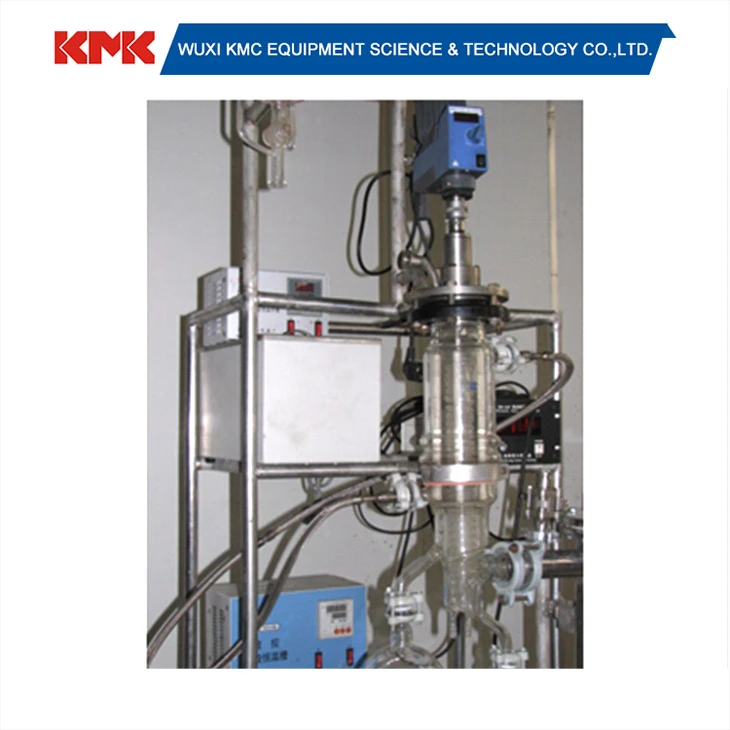
Before we get into the effects of drying temperature, let's quickly go over what thin film drying is. Thin film drying is a process where a thin layer of liquid food product is spread over a heated surface. The heat causes the moisture in the product to evaporate, leaving behind a dried product. This method is popular in the food industry because it's fast, efficient, and can preserve the nutritional value of the product.
One of the key advantages of thin film drying is that it allows for precise control over the drying process. This includes controlling the temperature, which is where things get interesting when it comes to flavor.
The Science of Flavor and Drying Temperature
Flavor in food is a complex combination of taste, aroma, and texture. When a food product is dried, the high temperature can cause a variety of chemical reactions to occur. These reactions can either enhance or degrade the flavor of the product, depending on the temperature used.
Low Drying Temperatures
When using low drying temperatures, typically below 60°C, the drying process is slower. This slow process allows the flavor compounds in the food to remain relatively stable. The gentle heat doesn't cause significant chemical reactions, so the natural flavor of the food is preserved. For example, when drying fruits at low temperatures, the delicate fruity flavors are retained, and the dried fruit has a more authentic taste.

However, there are some downsides to low drying temperatures. The slow drying time can increase the risk of microbial growth, which can affect the safety and quality of the product. Also, the longer drying time can be less cost - effective for large - scale production.
Medium Drying Temperatures
Medium drying temperatures, around 60°C - 80°C, strike a balance between preserving flavor and reducing drying time. At these temperatures, some beneficial chemical reactions can occur. For example, the Maillard reaction can take place. This reaction is responsible for the browning and development of complex flavors in many foods. When drying certain grains or meats at medium temperatures, the Maillard reaction can create a rich, savory flavor that enhances the overall taste of the dried product.
But, if the temperature is not carefully controlled, the Maillard reaction can go too far, leading to over - browning and a burnt or bitter flavor.
High Drying Temperatures
High drying temperatures, above 80°C, can cause rapid evaporation of moisture. While this can significantly reduce the drying time, it can also have a negative impact on the flavor. At high temperatures, many flavor compounds can be destroyed or altered. For example, volatile aroma compounds can evaporate quickly, leaving the dried product with a less intense flavor.
Additionally, high temperatures can cause the formation of unwanted chemical by - products. For instance, the breakdown of fats at high temperatures can lead to rancidity, which gives the product an unpleasant, off - flavor.
Real - World Examples
Let's look at a few real - world examples to illustrate the effects of drying temperature on flavor.
Coffee
Coffee beans are often dried using thin film drying techniques. When dried at low temperatures, the coffee retains its delicate floral and citrus notes. However, the drying process can take a long time. Medium - temperature drying can enhance the chocolatey and nutty flavors through the Maillard reaction. But if the temperature is too high, the coffee can develop a harsh, burnt taste.
Herbs
Herbs like basil and oregano are commonly dried. Low - temperature drying preserves the fresh, herbal flavors. High - temperature drying can cause the essential oils in the herbs to evaporate, resulting in a less flavorful dried herb.
Our Equipment and Temperature Control
As a supplier of thin film drying equipment, we offer a range of products, including Vacuum Harrow Dryer and Vacuum Rake Drying Machine, that allow for precise temperature control. Our equipment is designed to help you achieve the perfect drying temperature for your specific food product.
With our thin film drying systems, you can adjust the temperature according to the flavor profile you want to achieve. Whether you're looking to preserve the natural flavors of a delicate fruit or develop complex flavors through the Maillard reaction, our equipment can help you get the job done.
Conclusion
In conclusion, the drying temperature plays a crucial role in the flavor of the dried product during food thin film drying. Low temperatures preserve natural flavors, medium temperatures can enhance flavors through beneficial chemical reactions, and high temperatures can lead to flavor degradation.
If you're in the food industry and looking for reliable thin film drying equipment to control the drying temperature and achieve the best flavor for your products, we're here to help. Contact us for a consultation and let's discuss how our equipment can meet your needs.
References
- Heldman, D. R., & Hartel, R. W. (1997). Principles of Food Processing. Aspen Publishers.
- Lund, D. B. (1975). Effect of heat on flavor. In Food Chemistry (pp. 435 - 460). Marcel Dekker.