

What is the effect of air flow on the evaporation process in wastewater evaporators?
Jul 03, 2025
Leave a message
Airflow plays a crucial role in the evaporation process within wastewater evaporators. As a supplier of wastewater evaporators, I have witnessed firsthand the impact of airflow on the efficiency and performance of these systems. In this blog post, I will delve into the effects of airflow on the evaporation process, explore different types of evaporators, and highlight how proper airflow management can optimize wastewater treatment.
The Basics of Evaporation in Wastewater Treatment
Evaporation is a fundamental process in wastewater treatment that involves converting a liquid (wastewater) into a vapor by applying heat. This process separates the water from the dissolved solids and contaminants, leaving behind a concentrated residue. Wastewater evaporators are designed to accelerate this process by providing a controlled environment for evaporation to occur.
The efficiency of evaporation depends on several factors, including temperature, surface area, and airflow. While temperature and surface area are often the focus of optimization efforts, airflow is equally important as it directly influences the rate of evaporation and the overall performance of the evaporator.
How Airflow Affects the Evaporation Process
Airflow affects the evaporation process in several ways:
1. Mass Transfer
Airflow facilitates the removal of water vapor from the surface of the wastewater. As air moves over the liquid surface, it carries away the water vapor, creating a concentration gradient that drives more water molecules to evaporate. This process is known as mass transfer, and it is essential for maintaining a high evaporation rate.
2. Heat Transfer
Airflow also plays a role in heat transfer. By moving air over the heated surface of the evaporator, it helps to transfer heat from the heating source to the wastewater. This ensures that the wastewater is heated evenly and that the evaporation process occurs efficiently.
3. Prevention of Condensation
Proper airflow helps to prevent condensation within the evaporator. Condensation can reduce the efficiency of the evaporation process by cooling the heated surface and reducing the temperature gradient between the wastewater and the air. By maintaining a steady airflow, the risk of condensation is minimized, ensuring that the evaporation process continues smoothly.
4. Removal of Contaminants
Airflow can also help to remove contaminants from the wastewater. As air moves through the evaporator, it can carry away volatile organic compounds (VOCs) and other contaminants that may be present in the wastewater. This not only improves the quality of the evaporated water but also reduces the risk of fouling and corrosion within the evaporator.
Types of Wastewater Evaporators and the Role of Airflow
There are several types of wastewater evaporators available on the market, each with its own unique design and operating principles. The role of airflow can vary depending on the type of evaporator being used. Here are some common types of wastewater evaporators and how airflow affects their performance:
Thin Layer Evaporator
A Thin Layer Evaporator is a type of evaporator that uses a thin film of wastewater to increase the surface area available for evaporation. Airflow is used to spread the wastewater evenly across the heated surface, ensuring that a thin layer is formed. This maximizes the surface area available for evaporation and improves the efficiency of the process.
Scraped Surface Vacuum Evaporator
A Scraped Surface Vacuum Evaporator is designed to handle viscous and fouling liquids. Airflow is used to create a vacuum within the evaporator, which reduces the boiling point of the wastewater and allows for evaporation to occur at lower temperatures. The scraping mechanism helps to prevent fouling and ensures that the heat transfer surface remains clean, while the airflow helps to remove the water vapor from the system.
Fall Film Evaporator
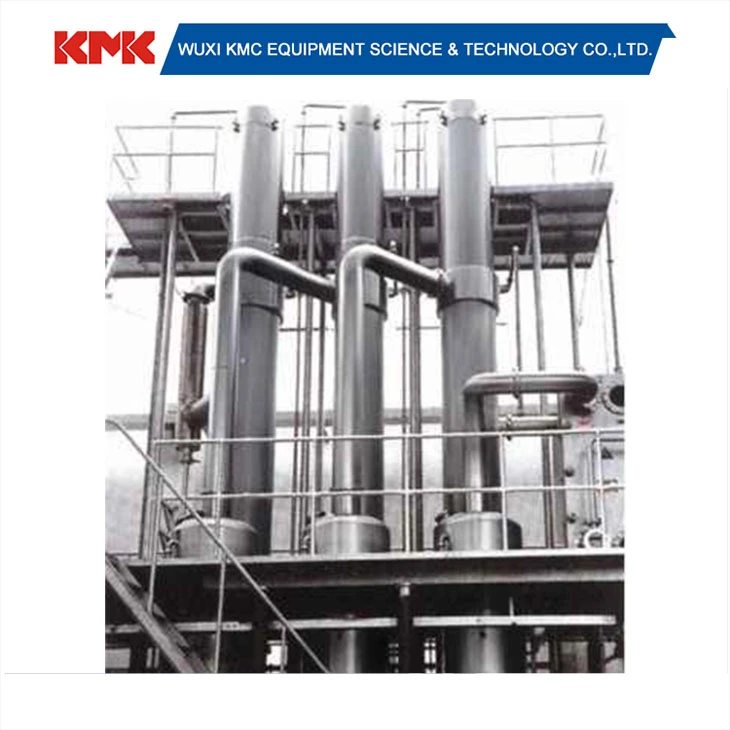
A Fall Film Evaporator is a vertical evaporator that uses gravity to spread the wastewater in a thin film down the inside of a heated tube. Airflow can be used to enhance the evaporation process by providing additional heat transfer and mass transfer. By introducing air into the evaporator, the rate of evaporation can be increased, and the efficiency of the system can be improved.

Optimizing Airflow for Efficient Evaporation
To optimize the airflow in a wastewater evaporator, several factors need to be considered:
1. Airflow Rate
The airflow rate should be carefully controlled to ensure that it is sufficient to remove the water vapor from the surface of the wastewater without causing excessive turbulence or energy consumption. The optimal airflow rate will depend on the size and design of the evaporator, as well as the characteristics of the wastewater being treated.
2. Air Distribution
Proper air distribution is essential to ensure that the airflow is evenly distributed across the surface of the wastewater. This can be achieved through the use of baffles, diffusers, or other air distribution devices. Uneven airflow can lead to uneven evaporation and reduced efficiency.
3. Air Temperature and Humidity
The temperature and humidity of the incoming air can also affect the evaporation process. Warm, dry air is more effective at removing water vapor than cool, humid air. Therefore, it may be necessary to preheat or dehumidify the incoming air to optimize the evaporation process.
4. Air Quality
The quality of the incoming air can also have an impact on the performance of the evaporator. Air that contains dust, dirt, or other contaminants can foul the heat transfer surface and reduce the efficiency of the evaporation process. Therefore, it is important to ensure that the incoming air is clean and free of contaminants.
Conclusion
Airflow is a critical factor in the evaporation process within wastewater evaporators. By understanding how airflow affects the evaporation process and optimizing its management, we can improve the efficiency and performance of these systems. As a supplier of wastewater evaporators, I am committed to providing our customers with the latest technology and solutions to help them achieve their wastewater treatment goals.
If you are interested in learning more about our wastewater evaporators or would like to discuss your specific needs, please do not hesitate to contact us. We are here to assist you in finding the right solution for your wastewater treatment requirements.
References
- Perry, R. H., & Green, D. W. (Eds.). (1997). Perry's Chemical Engineers' Handbook (7th ed.). McGraw-Hill.
- Mujumdar, A. S. (Ed.). (2007). Handbook of Industrial Drying (3rd ed.). CRC Press.
- Strumillo, C., & Kudra, T. (1986). Drying: Principles, Applications, and Design. Gordon and Breach Science Publishers.