

What is the cost of a Circulation Evaporator?
Nov 27, 2025
Leave a message
Hey there! As a supplier of circulation evaporators, I often get asked about the cost of these nifty machines. So, I thought I'd sit down and break it all down for you in this blog post.
First off, let's understand what a circulation evaporator is. In simple terms, it's a piece of equipment used to separate a solvent from a solution by evaporation. The solution is circulated through a heating element, and the solvent turns into vapor, leaving behind a more concentrated solution. These evaporators are widely used in various industries like food and beverage, chemical, and pharmaceutical.
Now, when it comes to the cost of a circulation evaporator, there's no one - size - fits - all answer. A bunch of factors come into play, and I'll walk you through each of them.
1. Capacity
One of the most significant factors affecting the cost is the capacity of the evaporator. If you need a small - scale circulation evaporator for a startup or a research lab, it'll cost you less compared to a large - scale industrial one. Smaller evaporators with a lower capacity, say around 10 - 50 liters per hour, can be relatively affordable. On the other hand, if you're running a big factory and need an evaporator that can handle hundreds or even thousands of liters per hour, you're looking at a much higher price tag.
2. Material of Construction
The material used to build the evaporator is also a major cost determinant. Most circulation evaporators are made from stainless steel because it's corrosion - resistant, durable, and easy to clean. However, the grade of stainless steel can vary. Higher - grade stainless steel that can withstand more aggressive chemicals and harsher operating conditions will be more expensive. Some applications might even require special alloys or exotic materials, which can skyrocket the cost. For instance, if you're dealing with highly corrosive substances in the chemical industry, you'll need an evaporator made from a material that can resist corrosion, and that'll add to the overall expense.
3. Energy Efficiency
Energy efficiency is becoming increasingly important these days, and it also impacts the cost of a circulation evaporator. More energy - efficient models usually come with advanced features and better insulation. These evaporators might cost more upfront, but they can save you a ton of money in the long run by reducing your energy bills. For example, an evaporator with a high - efficiency heat exchanger will use less energy to heat the solution, which means lower operating costs over time.
4. Complexity of Design
The design complexity of the evaporator can also drive up the cost. Some circulation evaporators come with simple designs and basic functionality, while others are more complex with additional features like automated controls, multiple stages of evaporation, and integrated cleaning systems. If you need an evaporator with advanced features to meet specific production requirements, you'll have to pay more. For example, an evaporator with a sophisticated control system that can adjust the temperature, pressure, and flow rate automatically will be pricier than a basic model.
5. Brand and Manufacturer
The brand and the manufacturer of the circulation evaporator can also influence the cost. Well - known brands with a good reputation for quality and reliability usually charge more for their products. They've invested in research and development, have a proven track record, and offer better after - sales support. However, that doesn't mean you can't find a good - quality evaporator from a lesser - known brand at a lower cost. It's all about doing your research and finding the right balance between price and quality.
Cost Ranges
It's tough to give an exact cost range because of all these variables, but I can give you a rough idea. A basic, small - capacity circulation evaporator for a laboratory or a small - scale operation might cost anywhere from a few thousand dollars to around $20,000. Medium - sized industrial evaporators with a moderate capacity and standard features can range from $20,000 to $100,000. For large - scale, high - capacity, and high - end evaporators with advanced features and made from premium materials, the cost can exceed $100,000 and go up to several hundred thousand dollars.

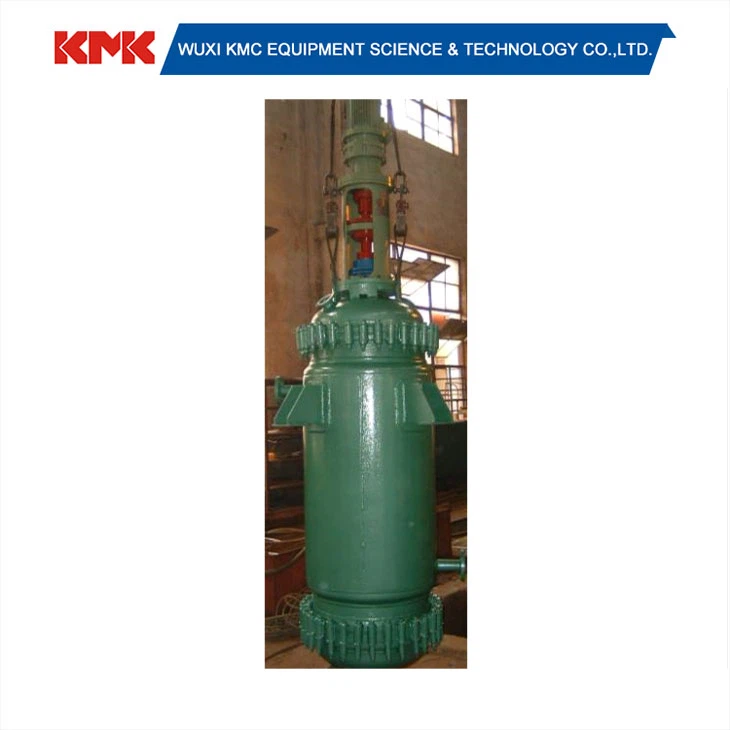
Comparing with Other Types of Evaporators
There are other types of evaporators out there, like the Scraped Surface Vacuum Evaporator, Multiple Effect Evaporators, and Falling Film Evaporator. Each of these has its own cost structure.
Scraped surface vacuum evaporators are often used for viscous materials. They can be more expensive than circulation evaporators because of their complex design and the need for a scraping mechanism. Multiple effect evaporators are designed to save energy by using the vapor from one effect to heat the next. Their cost can vary widely depending on the number of effects and the capacity. Falling film evaporators are efficient for heat - sensitive materials. Their cost is also influenced by factors like capacity, material, and design complexity.
Making the Right Choice
When you're in the market for a circulation evaporator, it's important to consider your specific needs. Don't just go for the cheapest option. Think about the long - term costs, including energy consumption, maintenance, and replacement parts. It's also a good idea to get quotes from multiple suppliers and compare them. Look at the features, warranties, and after - sales support offered by each supplier.
If you're still not sure which circulation evaporator is right for you, feel free to reach out. We've got a team of experts who can help you figure out the best solution for your business. Whether you're a small startup or a large corporation, we can work with you to find an evaporator that fits your budget and meets your production requirements.
In conclusion, the cost of a circulation evaporator is influenced by many factors, and it's important to do your homework before making a purchase. By understanding these factors and comparing different options, you can make an informed decision and get the best value for your money.
If you're interested in learning more or want to discuss your specific requirements, don't hesitate to get in touch. We're here to help you make the right choice for your evaporation needs.
References
- Perry, R. H., & Green, D. W. (Eds.). (2008). Perry's Chemical Engineers' Handbook. McGraw - Hill.
- Geankoplis, C. J. (2003). Transport Processes and Unit Operations. Prentice Hall.