

What is the comparison of thin film dryers with different stirring device designs?
May 21, 2026
Leave a message
Thin film dryers are essential equipment in various industries, including chemical, pharmaceutical, and food processing. They offer efficient drying solutions by creating a thin film of the material to be dried on a heated surface. One of the critical factors influencing the performance of thin film dryers is the design of the stirring device. Different stirring device designs can have a significant impact on the drying efficiency, product quality, and overall operational cost. As a thin film dryer supplier, I have extensive knowledge and experience in the field, and in this blog, I'll compare thin film dryers with different stirring device designs.
Basic Principles of Thin Film Dryers
Before we delve into the comparison of different stirring device designs, it's essential to understand the basic principles of thin film dryers. The primary purpose of a thin film dryer is to remove moisture from a liquid or slurry feed by spreading it into a thin film on a heated surface. The thin film increases the surface area for heat and mass transfer, allowing for rapid evaporation of the moisture.
The stirring device in a thin film dryer plays a crucial role in creating and maintaining the thin film. It helps to distribute the feed evenly across the heated surface, prevent the formation of dry patches or deposits, and promote the movement of the material through the dryer. Different types of stirring devices achieve these functions in various ways, which we'll explore in the following sections.
Types of Stirring Devices and Their Comparison
1. Paddle Stirring Devices
Paddle stirring devices consist of a series of paddles attached to a rotating shaft. As the shaft rotates, the paddles come in contact with the material on the heated surface, spreading it into a thin film. The paddles can be designed in different shapes and sizes, depending on the specific requirements of the drying process.
Advantages:
- Simple Design: Paddle stirring devices are relatively simple in design, which means they are easy to manufacture, install, and maintain. This simplicity also makes them cost - effective compared to some other types of stirring devices.
- Good Mixing: The paddles can provide effective mixing of the material, ensuring that the heat is evenly distributed throughout the thin film. This helps to improve the drying efficiency and produce a more uniform product.
Disadvantages:
- Limited Shear Force: Paddle stirring devices typically generate relatively low shear forces compared to other designs. This can be a limitation when dealing with viscous materials or materials that require high shear for proper dispersion.
- Potential for Material Build - up: In some cases, materials may accumulate on the paddles, especially if the material has a sticky or adhesive nature. This can reduce the effectiveness of the stirring device and may require frequent cleaning.
Our ZPG Series Vacuum Rake Dryer can be equipped with paddle - type stirring devices in certain applications, which are suitable for drying materials that are not highly viscous and do not require intense mixing.
2. Rotor - Stator Stirring Devices
Rotor - stator stirring devices consist of a rotating rotor and a stationary stator. The material passes through the narrow gap between the rotor and the stator, where it experiences high shear forces. This design is particularly effective for breaking down agglomerates and dispersing ingredients in the material.
Advantages:
- High Shear Force: The high shear forces generated by rotor - stator stirring devices make them suitable for processing viscous materials, emulsions, and suspensions. They can effectively break down particles and improve the homogeneity of the material.
- Efficient Mass Transfer: The intense mixing provided by the rotor - stator design promotes efficient mass transfer between the material and the heated surface, leading to faster drying times.
Disadvantages:
- Complex Design and High Cost: Rotor - stator stirring devices are more complex in design compared to paddle stirring devices. This complexity increases the manufacturing cost and also makes maintenance more challenging.
- Higher Energy Consumption: The high - speed rotation required to generate the shear forces consumes more energy, which can increase the operational cost of the thin film dryer.
Our Agitated Thin Film Dryers can be configured with rotor - stator stirring devices for applications that demand high - shear mixing and efficient drying of challenging materials.
3. Wiper Blades Stirring Devices
Wiper blades are a common type of stirring device in wiped film dryers. The wiper blades are attached to a rotating shaft and are in continuous contact with the heated surface. They wipe the material along the surface, creating a thin and uniform film.
Advantages:
- Uniform Film Formation: Wiper blades can create a very thin and uniform film on the heated surface, which maximizes the surface area for heat and mass transfer. This results in high - efficiency drying and can handle a wide range of feed viscosities.
- Self - Cleaning: The continuous wiping action of the blades helps to prevent the build - up of material on the heated surface. This self - cleaning feature reduces the need for frequent maintenance and ensures consistent performance over time.
Disadvantages:
- Blade Wear: The wiper blades are subject to wear, especially when processing abrasive materials. Regular inspection and replacement of the blades are required to maintain the effectiveness of the stirring device.
- Limited Mixing: Wiper blades are mainly designed for creating a thin film and may not provide as much mixing as paddle or rotor - stator stirring devices. This can be a drawback when the material requires significant blending during the drying process.
Our Wiped Film Dryer is specifically designed with wiper blade stirring devices, offering excellent performance for applications where uniform thin - film formation and self - cleaning are essential.
Impact on Product Quality and Process Efficiency
The choice of stirring device design can have a profound impact on the quality of the final product and the efficiency of the drying process.
In terms of product quality, the type of stirring device can affect the particle size distribution, moisture content, and chemical stability of the dried material. For example, a rotor - stator stirring device can produce a more uniform particle size in the final product due to its high - shear mixing action. On the other hand, a wiper blade stirring device can ensure a more consistent moisture content throughout the product by creating a uniform thin film for drying.
Regarding process efficiency, different stirring device designs offer varying levels of heat and mass transfer rates. A well - designed stirring device can reduce the drying time, increase the throughput, and lower the energy consumption of the thin film dryer. For instance, a paddle stirring device may be sufficient for low - viscosity materials, providing a cost - effective solution with reasonable drying efficiency. However, for high - viscosity materials, a rotor - stator or wiper blade stirring device may be necessary to achieve the desired drying performance.
Application - Specific Considerations
When selecting a thin film dryer with a particular stirring device design, it's important to consider the specific requirements of the application.
- Material Properties: The viscosity, heat sensitivity, adhesive nature, and particle size of the material to be dried play a crucial role in determining the appropriate stirring device. For example, heat - sensitive materials may require a low - shear stirring device like paddle blades to avoid thermal degradation, while highly viscous materials may need a high - shear device such as a rotor - stator.
- Desired Product Quality: The quality specifications of the final product, such as purity, moisture content, and particle size, will also influence the choice of stirring device. Applications that demand high - quality, uniform products may require more advanced stirring device designs.
- Production Capacity: The required production capacity is another important factor. Larger production volumes may call for a stirring device design that can provide high - efficiency drying and maintain a high throughput.
Conclusion
In conclusion, the design of the stirring device in a thin film dryer is a critical factor that affects the drying performance, product quality, and operational cost. Each type of stirring device, including paddle, rotor - stator, and wiper blade designs, has its own advantages and disadvantages. As a thin film dryer supplier, we understand the diverse needs of our customers across different industries. We can offer customized solutions based on the specific requirements of your application, whether it's a simple paddle - type stirring device for basic drying processes or a complex rotor - stator system for high - tech applications.

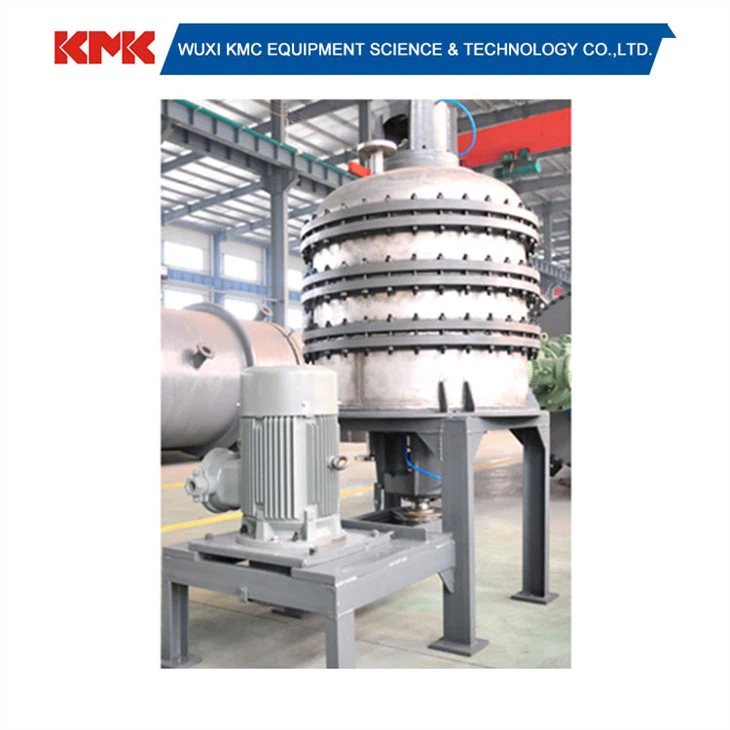
If you are in need of a thin - film dryer or want to discuss how different stirring device designs can meet your specific drying needs, please feel free to contact us. Our team of experts is ready to assist you in making the right choice and providing you with a high - quality thin - film drying solution.
References
- “Handbook of Industrial Drying” by Arun S. Mujumdar
- “Drying Technologies in Chemical and Pharmaceutical Industries” edited by Jochen Strumillo and Wlodzimierz Kudra